Now Reading: Indra Mohan Pandey recalls Nehru, Delhi and five decades of teaching
-
01
Indra Mohan Pandey recalls Nehru, Delhi and five decades of teaching


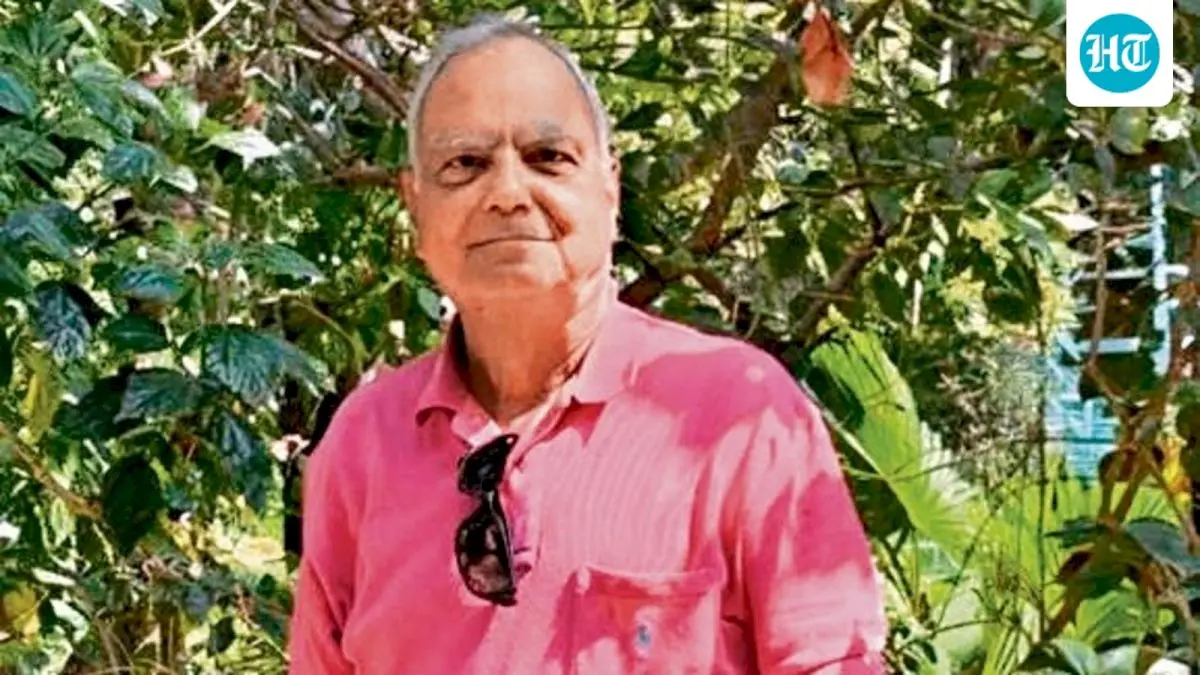
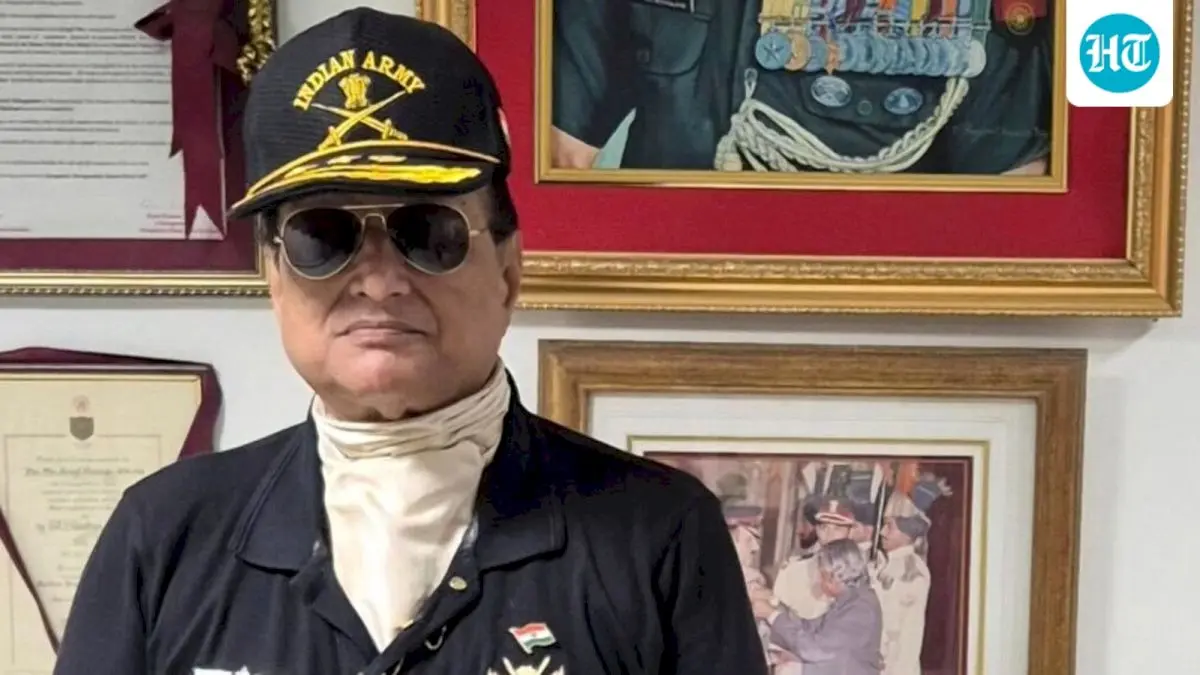
Indra Mohan Pandey was 11 when he saw Jawaharlal Nehru at the Red Fort during the 1958 Independence Day celebrations. The former IIM-Ahmedabad professor, born 10 days after Independence, has since watched…
The Story in Brief
Indra Mohan Pandey was 11 when he saw Jawaharlal Nehru at the Red Fort during the 1958 Independence Day celebrations. The former IIM-Ahmedabad professor, born 10 days after Independence, has since watched India change from trunk calls and scarcity to smartphones, artificial intelligence and wider access to higher education.
Raised near Devprayag Sangam, Pandey moved to Delhi for education and studied at Shri Ram College of Commerce and Delhi School of Economics. He joined SRCC as a lecturer in 1968 and later taught in India and the US. He recalls inviting leaders such as Ram Manohar Lohia, V K Krishna Menon and Lal Bahadur Shastri to student events, while pursuing his education on a scholarship.
The Indian Opinion
The easy nostalgia around Nehru-era India can turn poverty and limited access into a golden-age story. The opposite caricature, that the period produced little intellectual life, is just as weak. Pandey’s account shows both constraints and lively debate, from crowded student societies to researchers sharing an IBM machine. His experience also puts today’s abundance in perspective. The useful test is whether access to education now improves outcomes for students beyond the privileged few.
Source: hindustantimes.com
This story was synthesised by AI from the source linked above.