











Now Reading: Injured Indian vulture rescued, released in Karnataka sanctuary
-
01
Injured Indian vulture rescued, released in Karnataka sanctuary



A six-month-old Indian Vulture, classified as Critically Endangered on the IUCN Red List, was rescued and treated for a hairline fracture in its left leg by People for Animals veterinarians in Bengaluru.…
The Story in Brief
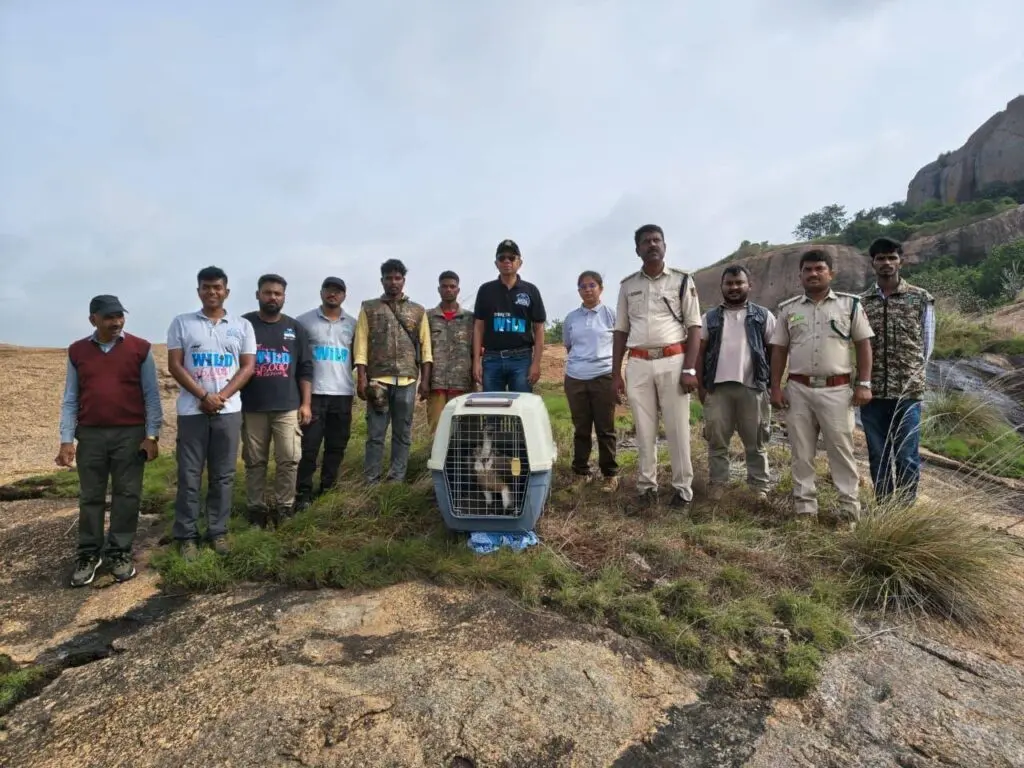
A six-month-old Indian Vulture, classified as Critically Endangered on the IUCN Red List, was rescued and treated for a hairline fracture in its left leg by People for Animals veterinarians in Bengaluru. The bird, one of only three known vultures in the Ramanagara landscape, was released last week at the Ramadevarabetta Vulture Sanctuary after two months of rehabilitation.
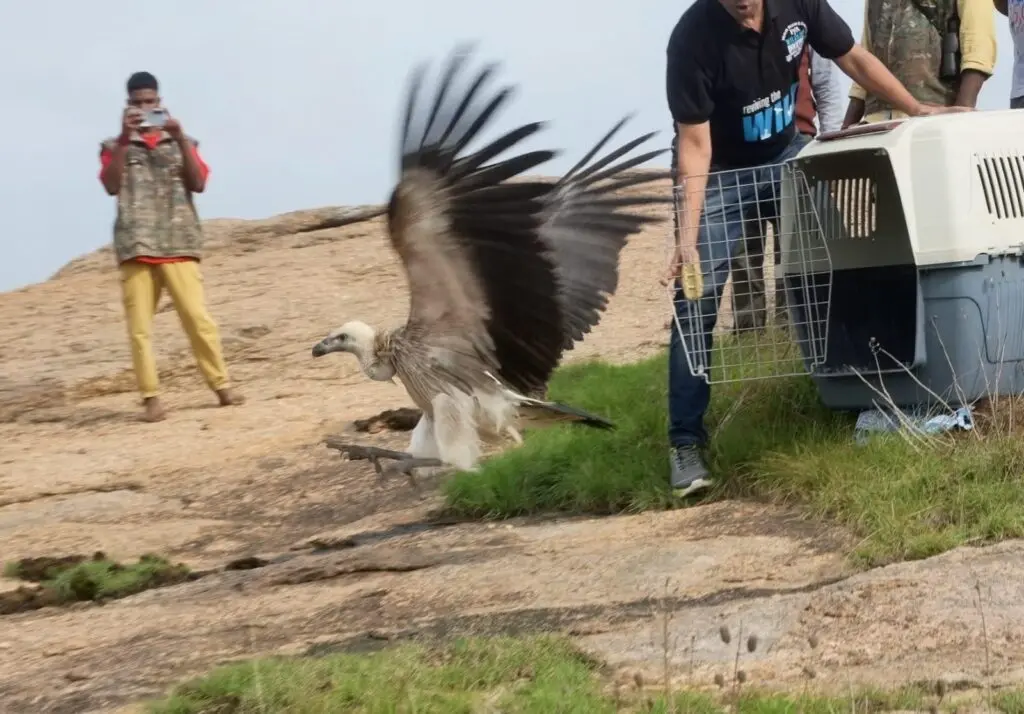
The recovery included conventional fracture management and flight assessments. The vulture was spotted flying normally and feeding near its nesting area after release. Indian Vulture populations across India collapsed largely due to the veterinary drug diclofenac. Conservationists warn the species remains critically depleted despite stricter regulations on the drug.
The Indian Opinion
News stories celebrate every vulture rescue as a triumph, but the species is still a hair's breadth from extinction. One bird released makes headlines, while diclofenac poisoning, habitat loss, and vanishing food silently kill dozens more across the country. The only number that will settle the question is the official 2026 Vulture Census: if wild Indian Vulture counts keep falling, these isolated successes are merely postponing the inevitable.
Source: timesofindia.indiatimes.com
This story was synthesised by AI from the source linked above.