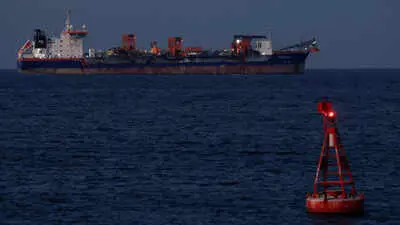
Now Reading: Iran drafts law to ban US, Israeli ships from Strait of Hormuz
-
01
Iran drafts law to ban US, Israeli ships from Strait of Hormuz


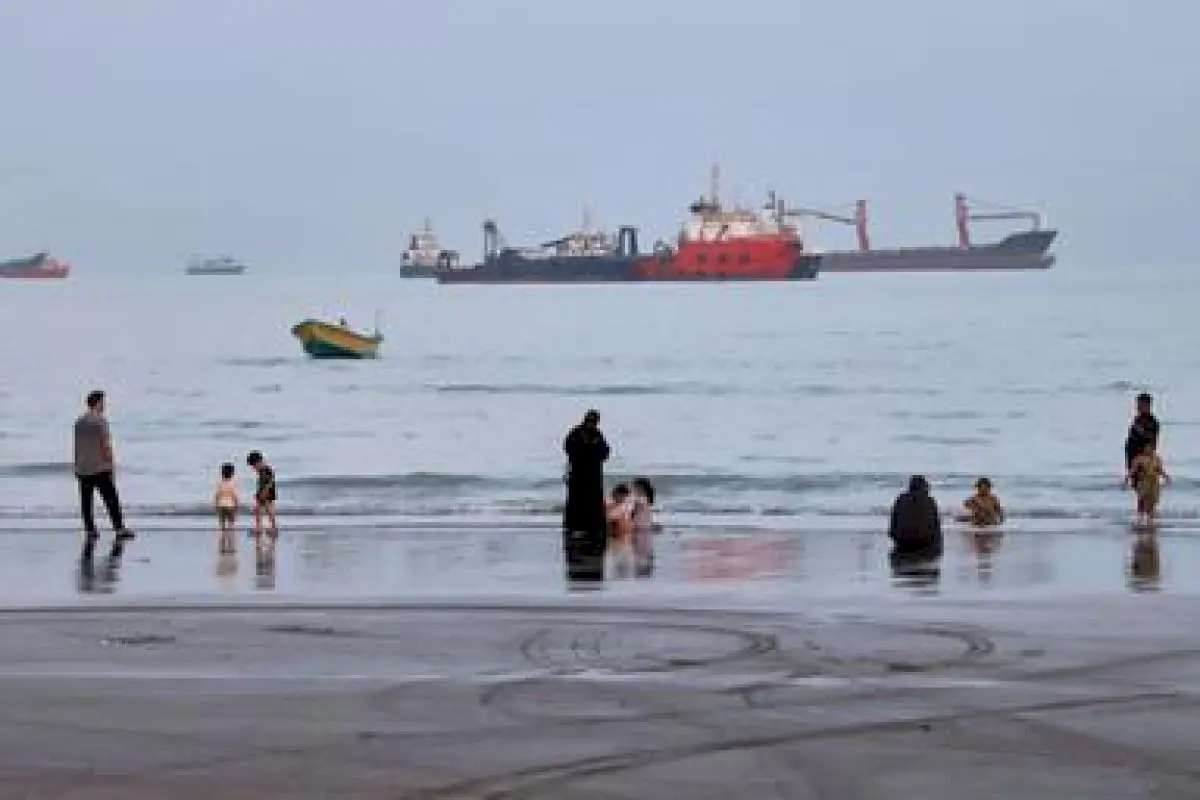
Fresh explosions near Iran's Qeshm Island have reignited tensions over the Strait of Hormuz, as Tehran considers restricting US and Israeli vessels. Iran's parliament is examining a draft bill that would ban…
The Story in Brief
Fresh explosions near Iran's Qeshm Island have reignited tensions over the Strait of Hormuz, as Tehran considers restricting US and Israeli vessels. Iran's parliament is examining a draft bill that would ban such ships and impose fines of up to 20 per cent of cargo value. The move comes amid fragile talks with Oman to arrange commercial shipping through the waterway, though key details on Iranian control and fees remain unresolved.
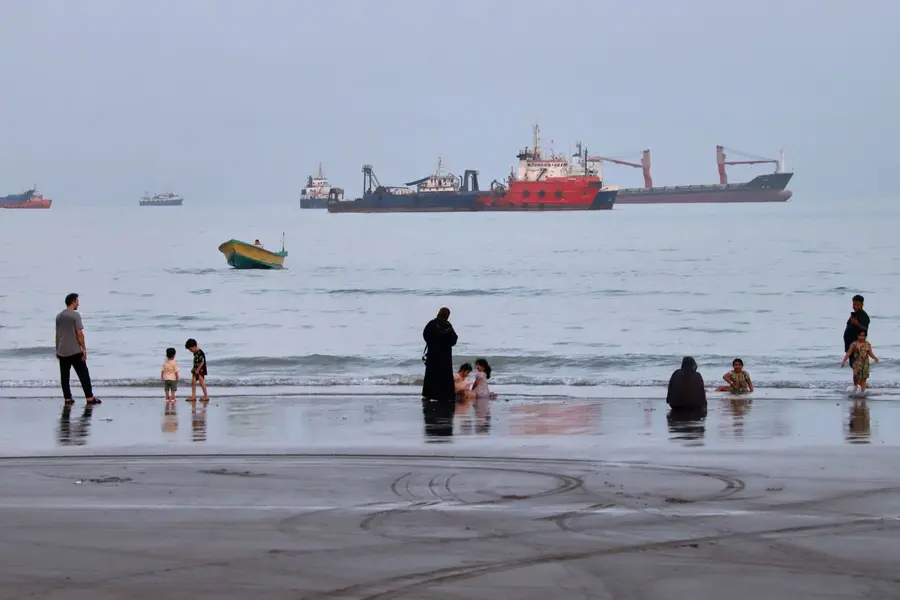
Traffic through the strait, a vital energy corridor, has fallen sharply: only 33 vessels crossed in the first four days of this week, down from 50 last week. Before the US-Iran conflict erupted on February 28, weekly traffic averaged 130 to 140 ships. A US official expressed hope for a deal soon, but Iran insists the strait will not revert to an open waterway. Tehran has also arrested 21 people it accuses of links to Mossad.
The Indian Opinion
Both sides present the stalemate as favouring them, Iran claims time is on its side, while the US points to decimated Iranian forces. But neither narrative captures the real cost: global energy markets disrupted, Iranian civilians enduring triple-digit inflation, and freedom of navigation at risk. The core question remains whether Iran can formalise control over the strait, and whether Washington will accept fees for passage. The number to watch is whether vessel traffic climbs back to pre-war levels, or stays below 50 a week.
Sources (3): english.mathrubhumi.com, ndtv.com, economictimes.indiatimes.com
This story was synthesised by AI from the 3 sources linked above.
Updated: this story now draws on 3 sources.