










Now Reading: Iran sets stiff conditions to reopen Strait of Hormuz
-
01
Iran sets stiff conditions to reopen Strait of Hormuz


Iran’s Revolutionary Guards said on Sunday they will not reopen the Strait of Hormuz until the United States meets all of Tehran’s conditions, including compensation for war damages. The Guards called the…
The Story in Brief
Iran’s Revolutionary Guards said on Sunday they will not reopen the Strait of Hormuz until the United States meets all of Tehran’s conditions, including compensation for war damages. The Guards called the strait "a theatre of war" and not just a waterway. Iran wants an end to the US blockade of Iranian ports, withdrawal of American forces, lifting of sanctions, release of frozen assets, and an end to attacks on its regional allies in Lebanon, Palestine, Yemen, and Iraq.
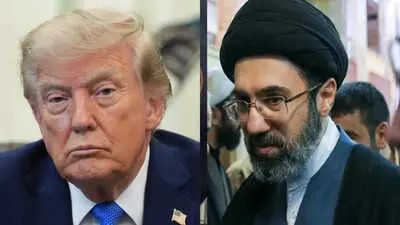
The standoff has complicated US President Donald Trump’s exit strategy from the conflict, according to the Wall Street Journal. The White House had focused on restoring commercial traffic through the strait after broader nuclear talks stalled. Iran has also struck ships it accuses of skirting its waters, drawing condemnation from the UAE and Oman. Meanwhile, Turkey expects Egypt to join a joint defence pact with Saudi Arabia and Pakistan aimed at regional stabilisation.
The Indian Opinion
Iran’s list of demands is so sweeping, from billions in reparations to ending a war it started, that it reads less as a negotiating position and more as a refusal. The Trump administration’s eagerness to declare victory has handed Tehran maximum leverage over a waterway it was never supposed to block in the first place. The real test will come when midterm elections force a decision: can Trump sell an exit that leaves Iranian tolls and threats in place, or will he risk escalation to break the deadlock?
Sources (3): ndtvprofit.com, thehindu.com, timesofindia.indiatimes.com
This story was synthesised by AI from the 3 sources linked above.
Updated: this story now draws on 3 sources.