














Now Reading: Iron-and-zinc fortified millet found safe for toddlers’ gut health
-
01
Iron-and-zinc fortified millet found safe for toddlers’ gut health

Iron-and-zinc fortified millet found safe for toddlers’ gut health

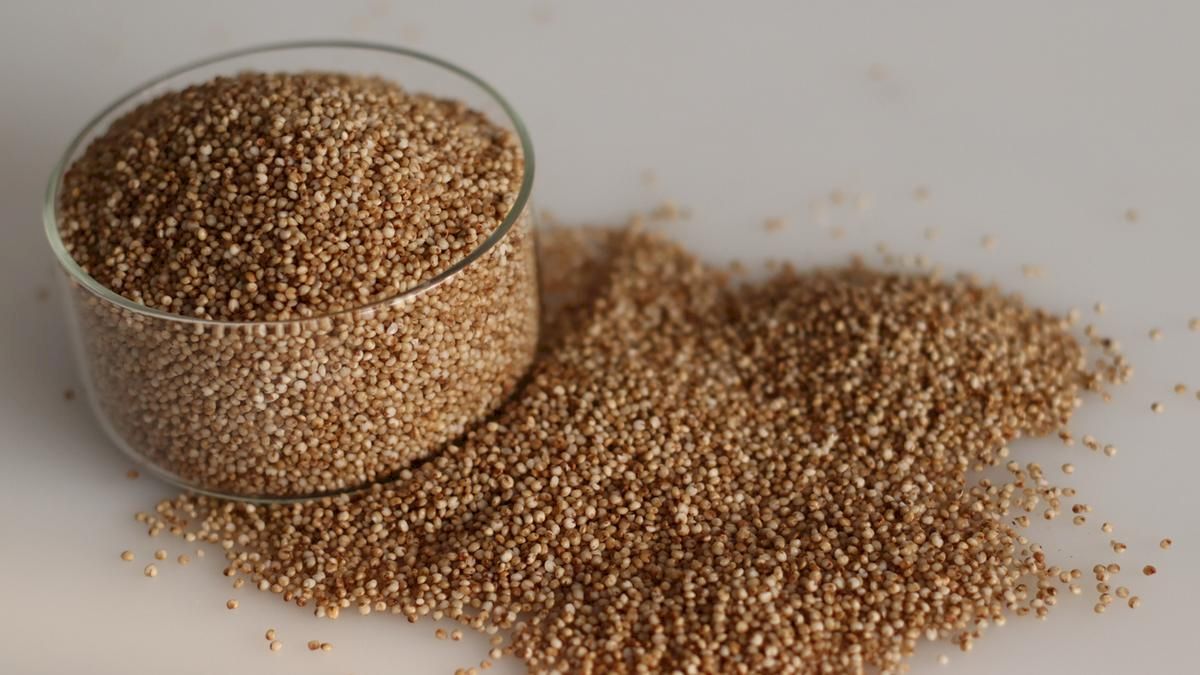
A nine-month study of 223 toddlers in Mumbai found that iron-and-zinc fortified pearl millet caused no detectable harmful changes to their developing gut microbiome, The Hindu reports. Researchers from Cornell University, SNDT…
The Story in Brief
A nine-month study of 223 toddlers in Mumbai found that iron-and-zinc fortified pearl millet caused no detectable harmful changes to their developing gut microbiome, The Hindu reports. Researchers from Cornell University, SNDT Women’s University and a Mumbai NGO tested the food among children aged 12 to 18 months in urban slums.
The fortified millet contained almost three times the iron and zinc of standard millet. Children who ate it showed more microbial activity linked to fighting pathogens and antioxidant metabolism, while markers associated with harmful bacteria fell. The researchers said bio-fortified crops could help address iron deficiency without some gut-related problems linked to supplements. India produces over 40% of the world’s millets.
The Indian Opinion
Claims that millet alone can solve childhood malnutrition would be overstated. This was a nine-month study in Mumbai, not proof that every fortified crop will work across India. Nor does the finding make iron supplements unnecessary, especially where deficiency is severe. The useful test is whether larger, longer trials confirm improved haemoglobin and development, while tracking cost, taste and regular consumption.
Source: thehindu.com
This story was synthesised by AI from the source linked above.