








Now Reading: Jharkhand Adivasi youth pin government job hopes on exam reform
-
01
Jharkhand Adivasi youth pin government job hopes on exam reform


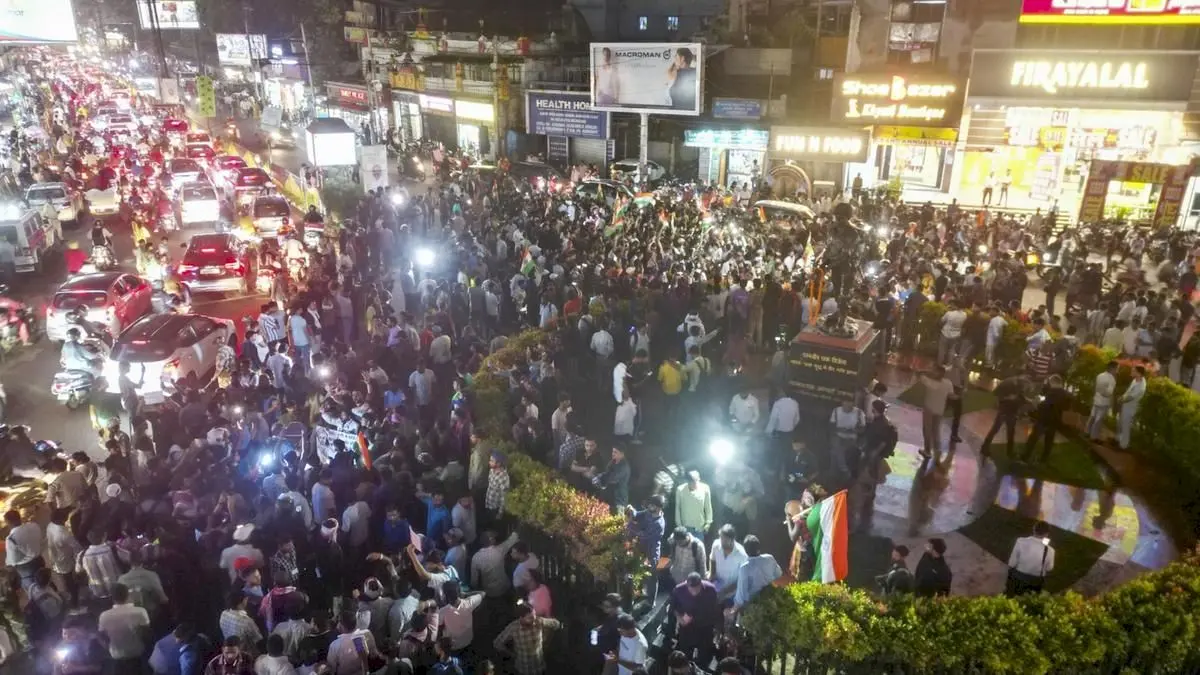
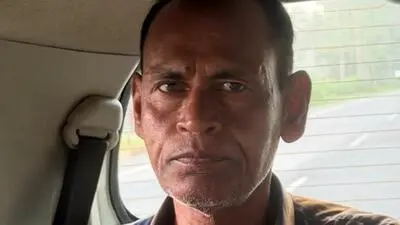
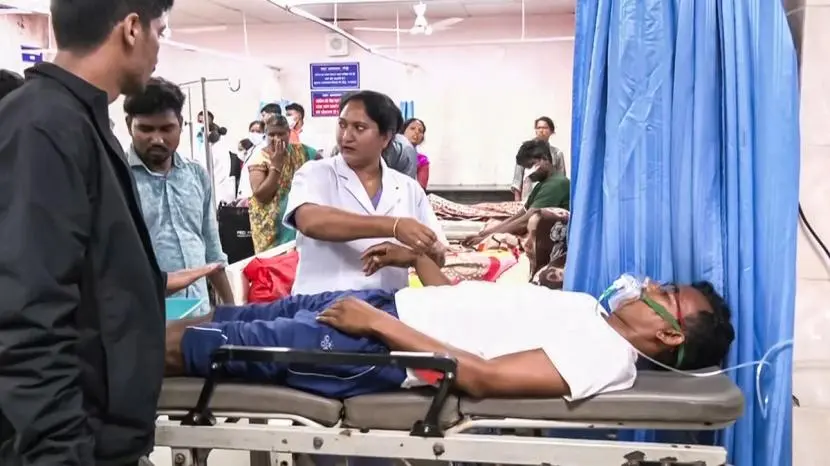
A 40-year-old protester, Rahul Kranti, is on hunger strike in hospital, demanding the cancellation of all state-level recruitment exams by the Jharkhand Public Service Commission and Jharkhand Staff Selection Commission since 2019,…
The Story in Brief
A 40-year-old protester, Rahul Kranti, is on hunger strike in hospital, demanding the cancellation of all state-level recruitment exams by the Jharkhand Public Service Commission and Jharkhand Staff Selection Commission since 2019, and a CBI/ED probe into alleged irregularities. He claims to have cleared multiple tests but been denied jobs due to corruption. Talks between the government and the JPSC-JSSC Reforms Manch remain inconclusive, with the government insisting on a CID report before cancelling the 14th JPSC exam. For Adivasi aspirants like Sarita Munda, 26, these exams represent the only route to secure employment and a voice in the system. The Hindu reports that many have devoted years to preparation, leaving aside agricultural work, only to face repeated cancellations and uncertainty.
The Indian Opinion
The Jharkhand protest is not merely about paper leaks but the broken promise of inclusion. Many narratives paint it only as a law-and-order issue or a partisan spat. The real story is structural: Adivasi youth have no fallback beyond agriculture or daily wage. The coming days will test whether the government will cancel the 14th JPSC exam, a concrete step the protesters demand, or wait for a CID report that may never arrive. Either way, the question is whether the state can deliver a credible system for the 26% it claims to serve.
Sources (2): thehindu.com, rediff.com
This story was synthesised by AI from the 2 sources linked above.
Updated: this story now draws on 2 sources.