














Now Reading: JNU cancels Umar Khalid book event; ABVP claims credit
-
01
JNU cancels Umar Khalid book event; ABVP claims credit


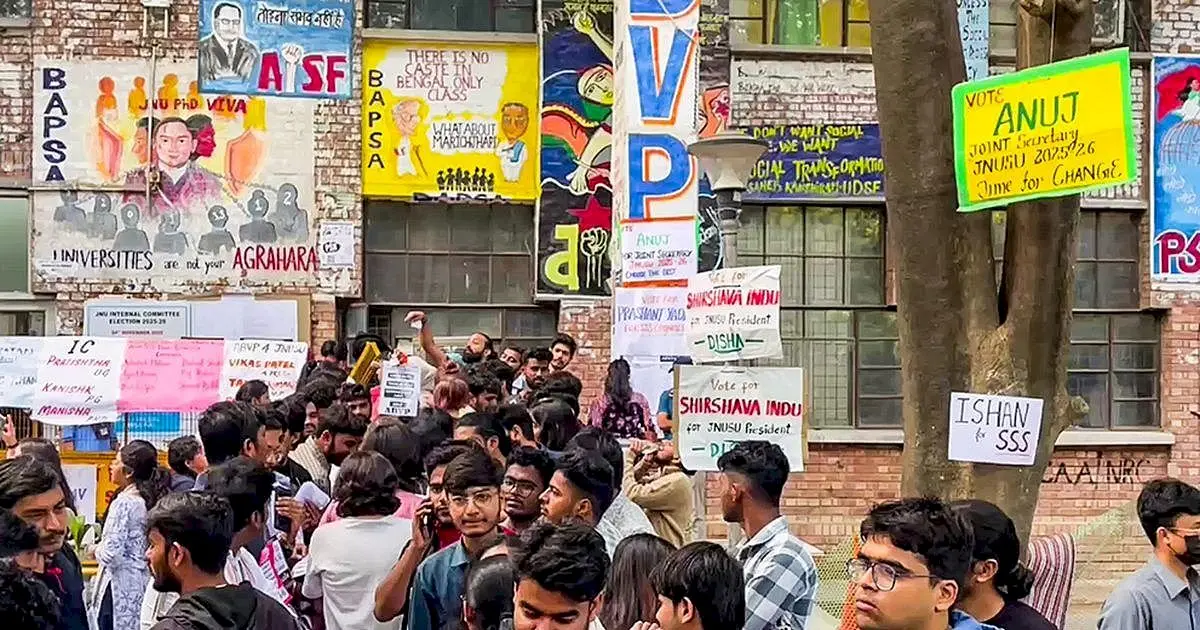
JNU on Sunday cancelled permission for a book discussion on 'Fractured Communities: Adivasi Histories and the Politics of Power' by jailed former student Umar Khalid, citing non-disclosure of full facts about the…
The Story in Brief
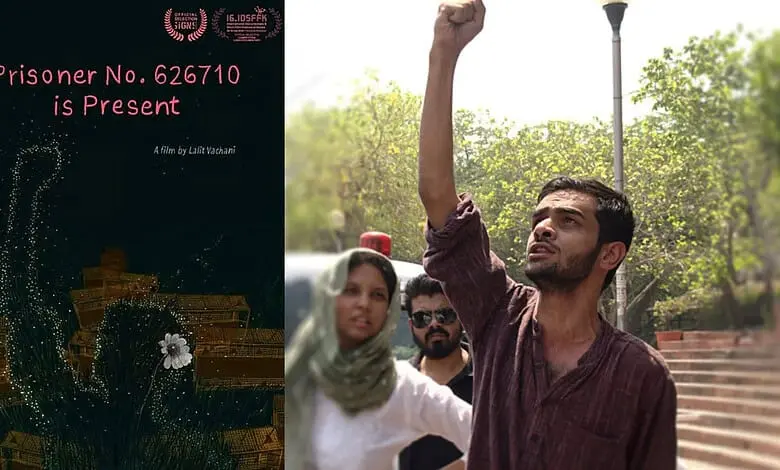
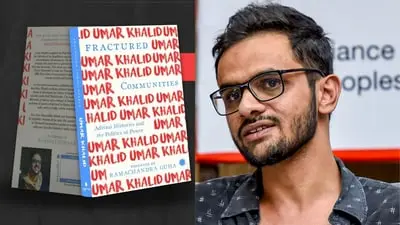
JNU on Sunday cancelled permission for a book discussion on 'Fractured Communities: Adivasi Histories and the Politics of Power' by jailed former student Umar Khalid, citing non-disclosure of full facts about the event. The JNUSU called the cancellation arbitrary and authoritarian, while the ABVP claimed credit for the move. The discussion will now be held in the open near the SSS-II building.
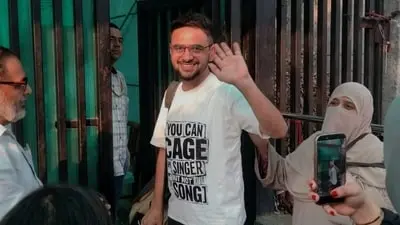
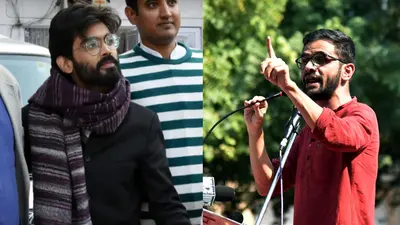
Khalid, who has been in jail since September 2020 under UAPA in the 2020 northeast Delhi riots case, wrote the book based on his JNU PhD thesis. The university awarded him a PhD in 2019. Professor Avinash Kumar, who submitted the venue request, said the Dean was fully informed and the cancellation reason is false. The trial is yet to begin.
The Indian Opinion
This incident fuels two lazy narratives: that JNU stifles any dissent, and that any event linked to an accused person is anti-national. Neither holds fully. JNU's administration has allowed many politically charged events, and Khalid remains legally innocent until trial. His thesis is published by a reputable press and won praise from historians. The real test is whether the university can apply the same rule consistently for all speakers, regardless of the political noise. Will tomorrow's discussion go off peacefully, or will the administration shut it down again?
Sources (3): rediff.com, hindustantimes.com, hindustantimes.com (2)
This story was synthesised by AI from the 3 sources linked above.
Updated: this story now draws on 3 sources.