












Now Reading: Delimitation may widen north-south gap, warns Karti
-
01
Delimitation may widen north-south gap, warns Karti


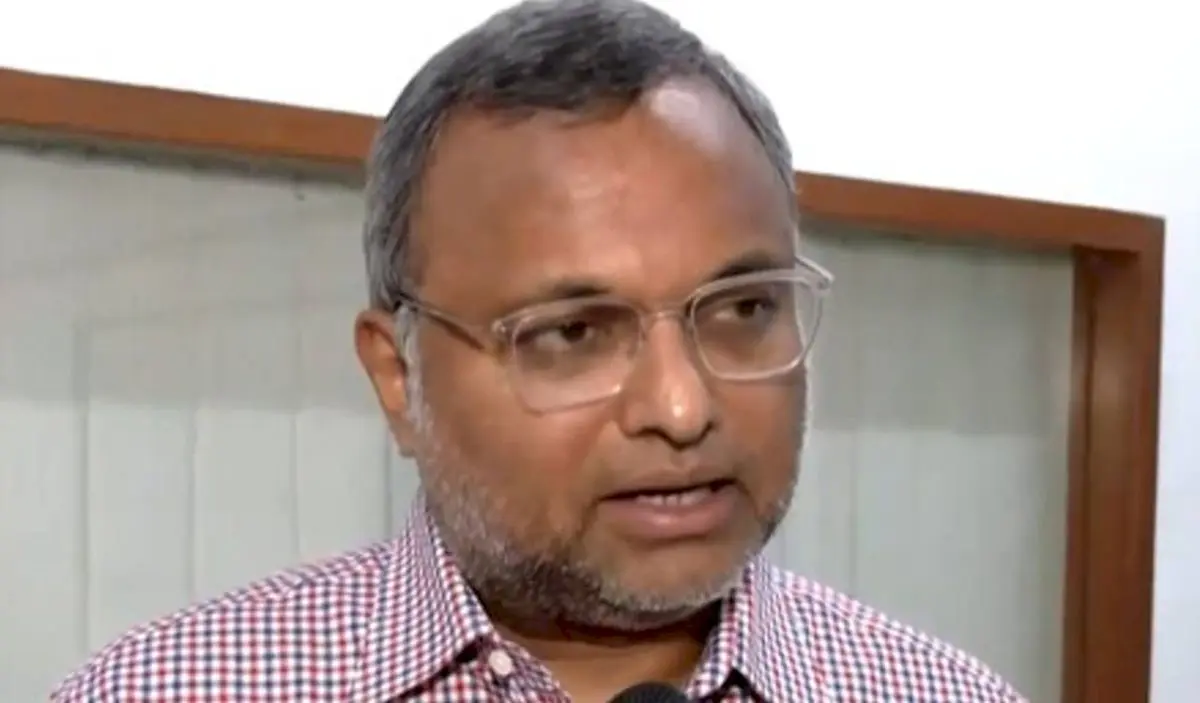
Congress MP Karti P. Chidambaram warned in Sivaganga that increasing Lok Sabha seats under the proposed delimitation exercise could widen the representation gap between Tamil Nadu (40 seats) and more populous states…
The Story in Brief
Congress MP Karti P. Chidambaram warned in Sivaganga that increasing Lok Sabha seats under the proposed delimitation exercise could widen the representation gap between Tamil Nadu (40 seats) and more populous states like Uttar Pradesh (80 seats). Speaking on Sunday, he argued that even if all states' seats are raised uniformly by 50%, the numerical difference would grow from 40 to 64 seats, disadvantaging southern states that successfully curbed population growth.
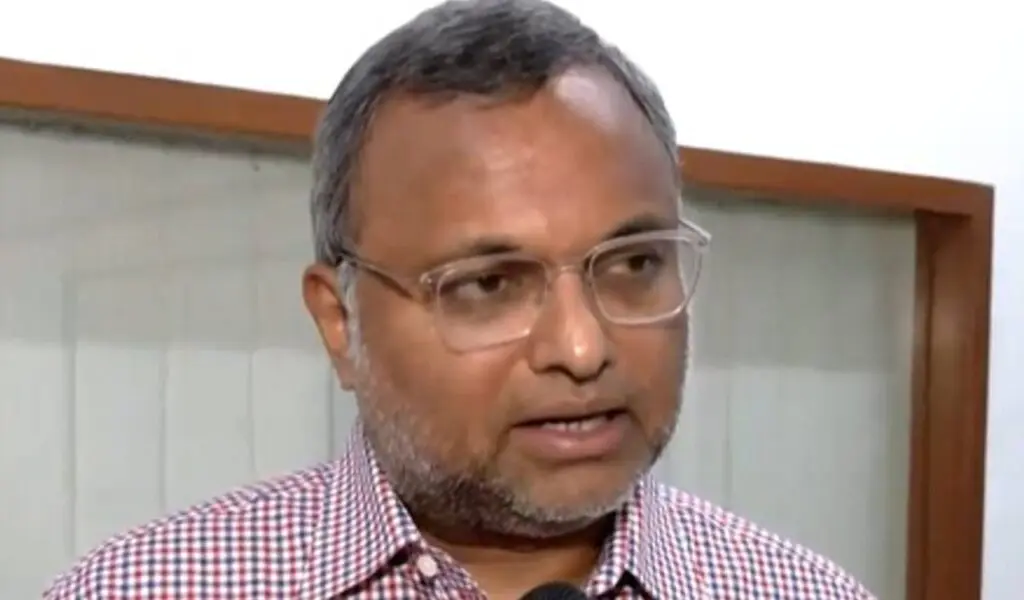
Chidambaram rejected DMK criticism that the Chief Minister's all-party meeting was intended to sidestep the Cauvery issue, stating his sole concern was protecting Tamil Nadu's parliamentary strength. He cautioned that population-based seat redistribution could enable gerrymandering, and cited former prime ministers Indira Gandhi and Atal Bihari Vajpayee to argue that preserving the current 543-seat strength is vital for southern interests.
The Indian Opinion
The debate over delimitation often pits Tamil Nadu's population control against Uttar Pradesh's growth, but this framing oversimplifies a constitutional process. Both states are bound by the same census data, not penalised or rewarded. The real battle is over political representation, not demographic virtue. As the 2031 census approaches, the question should be: will India freeze Lok Sabha seats to protect southern states, or accept a larger, more proportional House? A final number, not rhetoric, will settle this.
Sources (2): telanganatoday.com, thehindu.com
This story was synthesised by AI from the 2 sources linked above.
Updated: this story now draws on 2 sources.