




















Now Reading: Kashmir artisan revives fur craft with sheep pelts
-
01
Kashmir artisan revives fur craft with sheep pelts


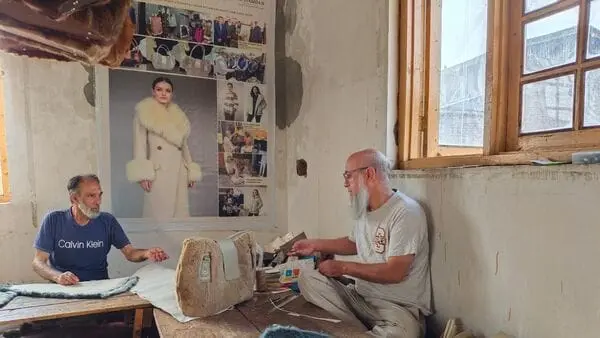
Tahir Ahmad Kalwal is trying to revive Kashmir’s fur craft by using discarded sheep and goat pelts instead of wild-animal skins. His Srinagar workshop dyes and finishes the pelts to resemble tiger hide, then makes jackets, coats, caps, bags, orthopaedic items and home decor.
Kalwal estimates that about 45 artisans remain active in Kashmir’s fur work. His workshop and network employ 10 people, many of them women. SKUAST Kashmir has trained artisans, supplied sewing machines and supported research under Project 27. Kalwal has also received a Rs. 5 lakh seed grant from JKEDI. But the sector lacks facilities for preserving, tanning and finishing pelts. The university estimates the opportunity could be worth Rs. 600 crore, though the effort is still at the proof-of-concept stage.
Indian Opinion Analysis
The immediate commercial test is whether Kashmir can build a reliable chain between abattoirs, processors, artisans and buyers. Regular quality, safe treatment of hides and predictable delivery will matter as much as the finished designs. A local brand based on Kashmir Merino could help distinguish the products from imported fur, but it will need sustained investment in processing and marketing. The next signal will be whether training and equipment support lead to repeat orders and a larger group of working artisans.
Source: livemint.com
This story was synthesised by AI from the source linked above. Methodology and corrections.