







Now Reading: Ladakh’s Chartses and Jabro dances weave conservation into culture
-
01
Ladakh’s Chartses and Jabro dances weave conservation into culture


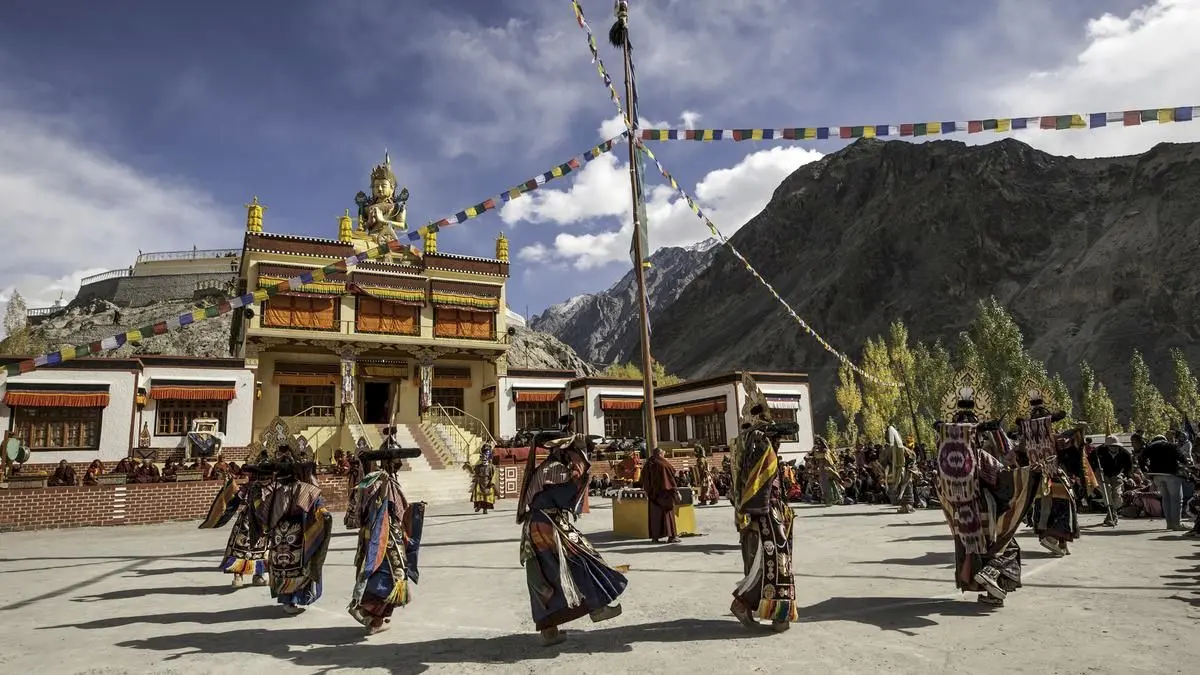
A travel essay in The Hindu describes how traditional Ladakhi dances encode ecological stewardship. The Chartses (bird dance), performed by women in Sulma gowns, mimics the flight of migratory birds and marks…
The Story in Brief
A travel essay in The Hindu describes how traditional Ladakhi dances encode ecological stewardship. The Chartses (bird dance), performed by women in Sulma gowns, mimics the flight of migratory birds and marks their spring return after harsh winters. The Jabro dance, with two performers in a yak costume, portrays the animal's behaviour, celebrating its role as a lifeline in the rugged Himalayas.
The author draws a parallel with Kerala's Theyyam rituals, performed in sacred groves called kaavus, which protect biodiversity as abodes of deities. The column argues that such dances are ancient, sophisticated tools for ecological management, not just art forms.
The Indian Opinion
This piece rightly celebrates indigenous ecological wisdom, but it risks romanticising tradition as a ready-made solution for climate change. Different regions face different problems; Ladakh's glacier melt is not Kerala's deforestation. The real test is whether state and central governments will fund community-led conservation programmes that incorporate such cultural practices, or merely applaud them in opinion pages while allowing infrastructure projects to destroy the very groves and pastures these dances revere.
Source: thehindu.com
This story was synthesised by AI from the source linked above.