















Now Reading: Lake Mead hits lowest level in 90 years
-
01
Lake Mead hits lowest level in 90 years


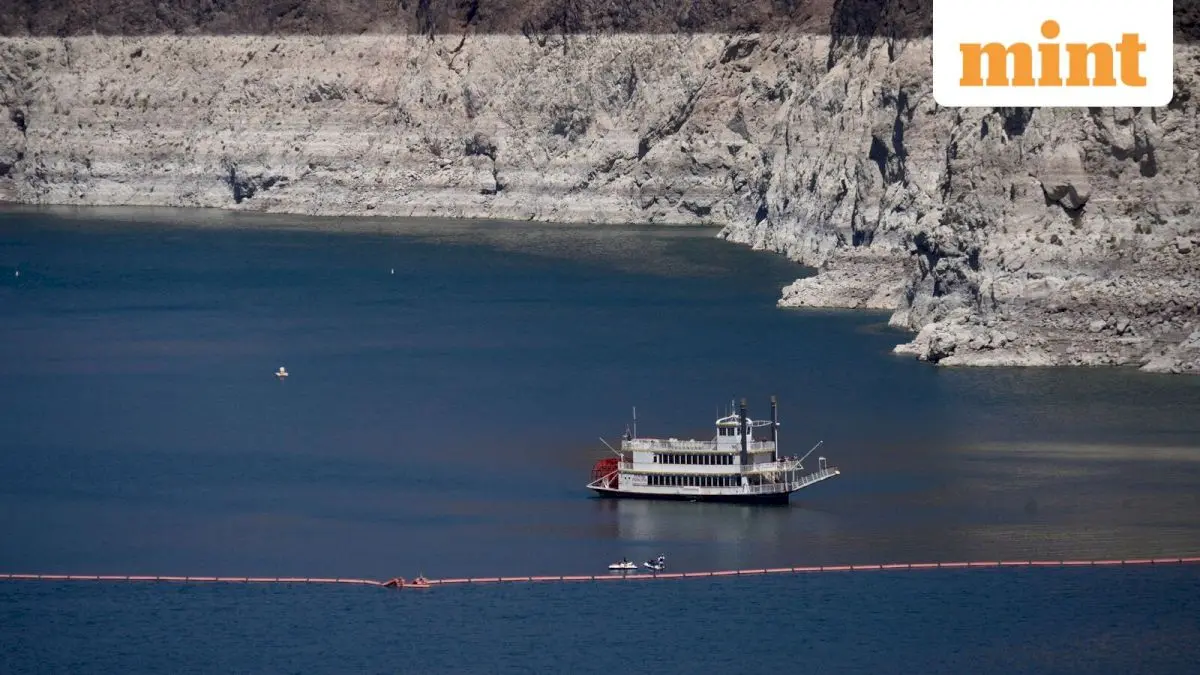
Lake Mead, the largest reservoir in the United States, has fallen to its lowest water level since it was created nearly 90 years ago, reaching 1,040.4 feet above sea level on August…
The Story in Brief
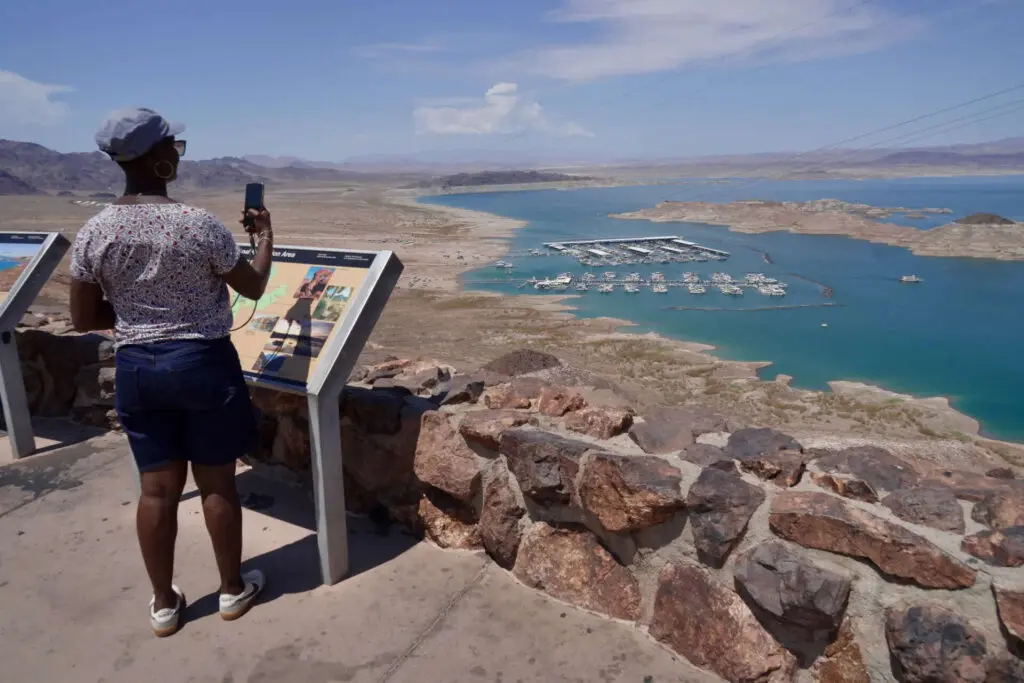
Lake Mead, the largest reservoir in the United States, has fallen to its lowest water level since it was created nearly 90 years ago, reaching 1,040.4 feet above sea level on August 7. The previous record low was set in July 2022. The decline is driven by prolonged drought, record-low snowpack in the Rocky Mountains, rising temperatures, and chronic overuse of the Colorado River. The river supplies about 40 million people across seven US states, tribal nations, and Mexico, and supports agriculture, wildlife, and hydropower at dams such as Hoover and Glen Canyon. Both Lake Mead and Lake Powell are now at levels not seen in nearly seven decades. The federal government has proposed that Arizona, California, and Nevada reduce water use, but the states have not reached a long-term agreement on sharing the shrinking resource.
The Indian Opinion
The rhetoric around Lake Mead swings between doom and complacency. Some say the Colorado River is doomed; others insist conservation and technology will save it. The truth is messier: seven states, tribes, and Mexico have failed to agree on long-term cuts for years. Meanwhile, both reservoirs keep dropping. Watch how quickly the Lower Basin states actually implement the federal plan to reduce water use. If they delay or waterline another winter, the question of dead pool will stop being hypothetical.
Sources (2): livemint.com, timesofindia.indiatimes.com
This story was synthesised by AI from the 2 sources linked above.
Updated: this story now draws on 2 sources.