












Now Reading: Lawyers still prefer Indian courts for urgent relief despite emergency arbitration
-
01
Lawyers still prefer Indian courts for urgent relief despite emergency arbitration

Lawyers still prefer Indian courts for urgent relief despite emergency arbitration

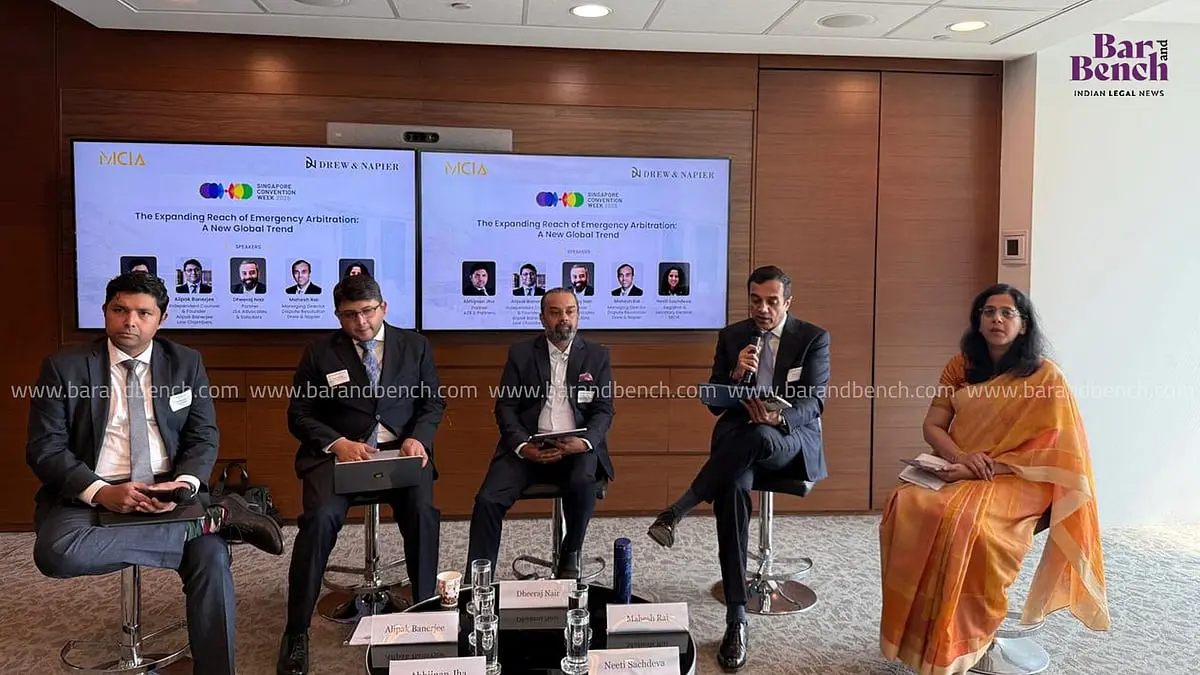
Emergency arbitration has gained recognition, but lawyers facing a threat to assets in India will still run to court first, JSA Partner Dheeraj Nair said at a Singapore Convention Week panel on Thursday.
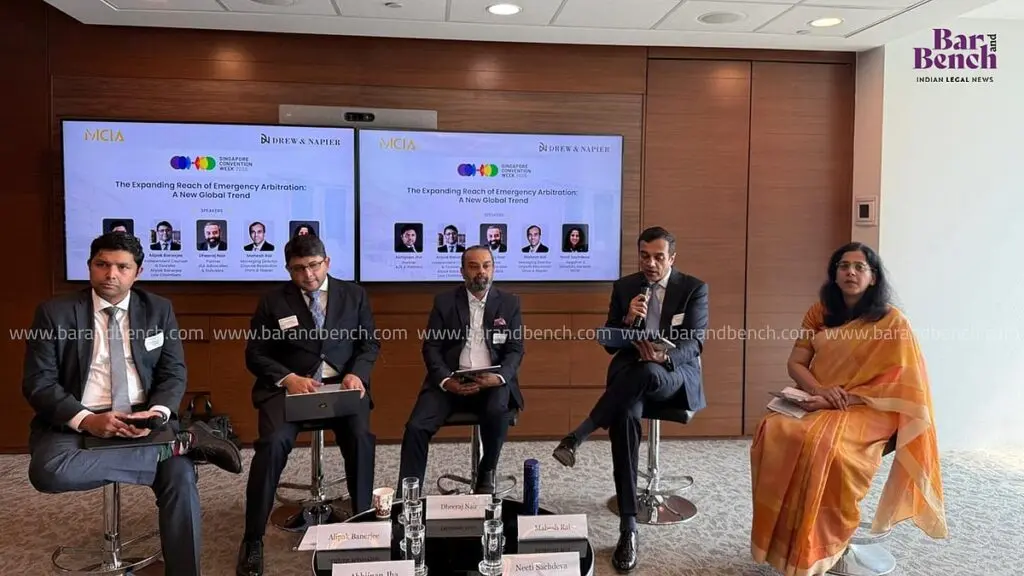
Nair said a court can list a matter within days, even from a Friday evening, while no institution can guarantee an emergency order by Monday morning. AZB & Partners Partner Abhijnan Jha, who acted for Amazon in the landmark Future Retail case, said that ruling established party accountability for India-seated arbitrations but did not resolve the position for foreign-seated ones. MCIA Registrar Neeti Sachdeva said her institution appoints an emergency arbitrator within one business day and delivers a decision within 14 days, but acknowledged that an order cannot be issued overnight. Independent counsel Alipak Banerjee noted that India is the largest litigant in emergency arbitrations after Singapore, featuring in about 140 such cases since 2010.
Indian Opinion Analysis
Emergency arbitration lets parties get interim relief from a private arbitrator within days, bypassing court queues. But its real test is enforceability: an emergency award from a Singapore-seated arbitration still needs a separate Indian court order under Section 9 of the Arbitration Act before it can bind a third party or freeze a bank account. The Amazon v Future Retail judgment settled the position for India-seated arbitrations in 2021, but for foreign-seated ones the Delhi High Court has at times required a fuller hearing, while the Bombay and Madras High Courts have enforced such orders more readily. How the Supreme Court eventually resolves that split will determine whether emergency arbitration becomes the first resort for asset protection, or remains a detour before the inevitable court filing. The Singapore Convention, under which this discussion was held, entered force in 2020 and now has 14 signatories including India, but India has not yet ratified it.
Source: barandbench.com
This brief was synthesised by AI from the source linked above. Methodology and corrections.