

















Now Reading: Arbitrators must not use AI for final decision, Hogan Lovells global head says
-
01
Arbitrators must not use AI for final decision, Hogan Lovells global head says

Arbitrators must not use AI for final decision, Hogan Lovells global head says

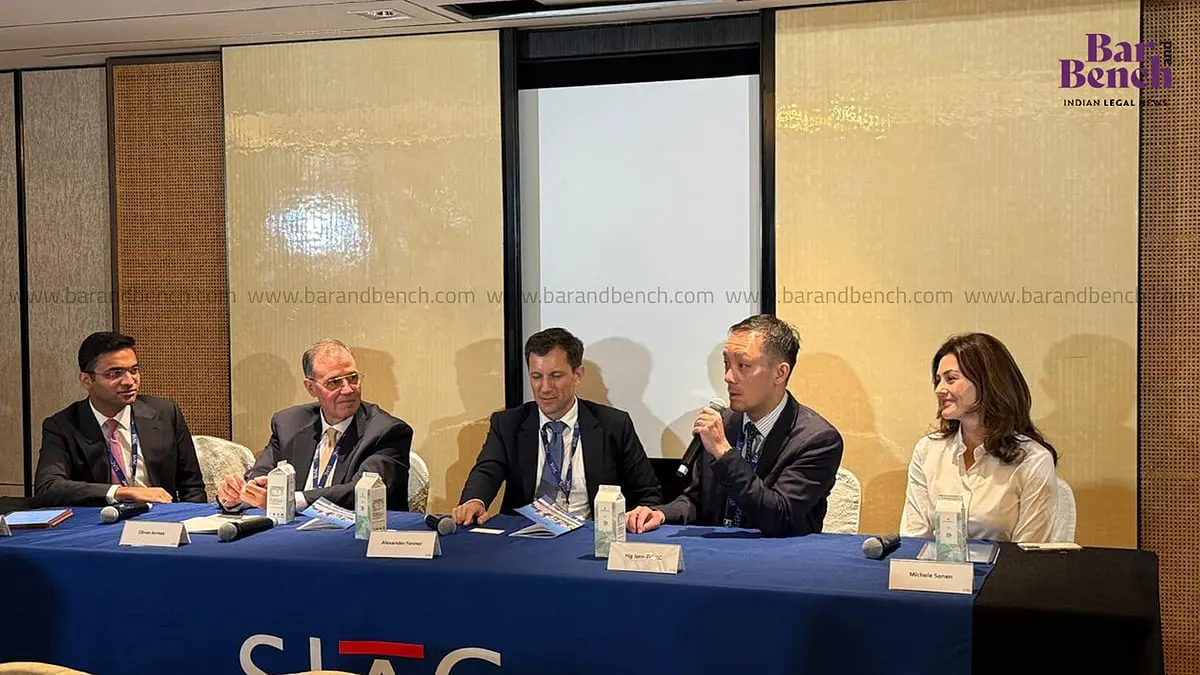
Oliver Armas, Global Head of International Arbitration at Hogan Lovells, said AI should not make the ultimate decision in a dispute, even as tribunals already use the technology for administrative tasks. He was speaking at a Young Singapore International Arbitration Centre panel in Singapore. Armas said procedural orders increasingly include AI provisions on what is permitted, what must be disclosed, and what must remain confidential.
Alexander Fenner of Boeing said he sees little benefit in a tribunal's use of AI without informing parties. Ng Jern-Fei KC of Duxton Hill Chambers framed the concern as one of agency, asking whether tasks reserved for an arbitrator have been delegated to something else. The panel also noted client pressure on law firms to show tangible AI benefits. Armas warned that if clients insist AI be used without lawyer review, the question of who bears malpractice risk remains unresolved.
The panel discussed AI's effect on junior lawyers: automating routine work may cut opportunities to develop core advocacy skills. Michele Sonen of Jus Mundi said AI is already changing arbitration research, especially by allowing lawyers to examine an arbitrator's track record systematically. Ng observed that technology could help smaller practices compete with larger firms by reducing resource demands for labour-intensive tasks.
Indian Opinion Analysis
The SIAC symposium panel reflects a wider global debate inside the arbitration profession, where institutional rules on AI use are still embryonic. The ICC and SIAC both issued notes and guidance in 2024 encouraging tribunal discretion but stopping short of mandatory disclosure. The disincentive for law firms is not just malpractice risk, it is the absence of clear professional indemnity coverage for AI-generated output, an issue underwriting panels have not yet standardized. The fear for junior lawyers is structural: if drafting, research, and document review are automated, the traditional apprenticeship model that builds courtroom judgment breaks. The Singapore International Arbitration Centre remains a key venue for this conversation because its caseload, over 660 new cases filed in 2024, makes it a laboratory for any procedural innovation. The test will be whether SIAC incorporates AI disclosure into its next edition of arbitration rules, expected by mid-2027.
Source: barandbench.com
This brief was synthesised by AI from the source linked above. Methodology and corrections.