






Now Reading: Madras HC grants Tamirabarani River legal personhood to prevent pollution
-
01
Madras HC grants Tamirabarani River legal personhood to prevent pollution

Madras HC grants Tamirabarani River legal personhood to prevent pollution

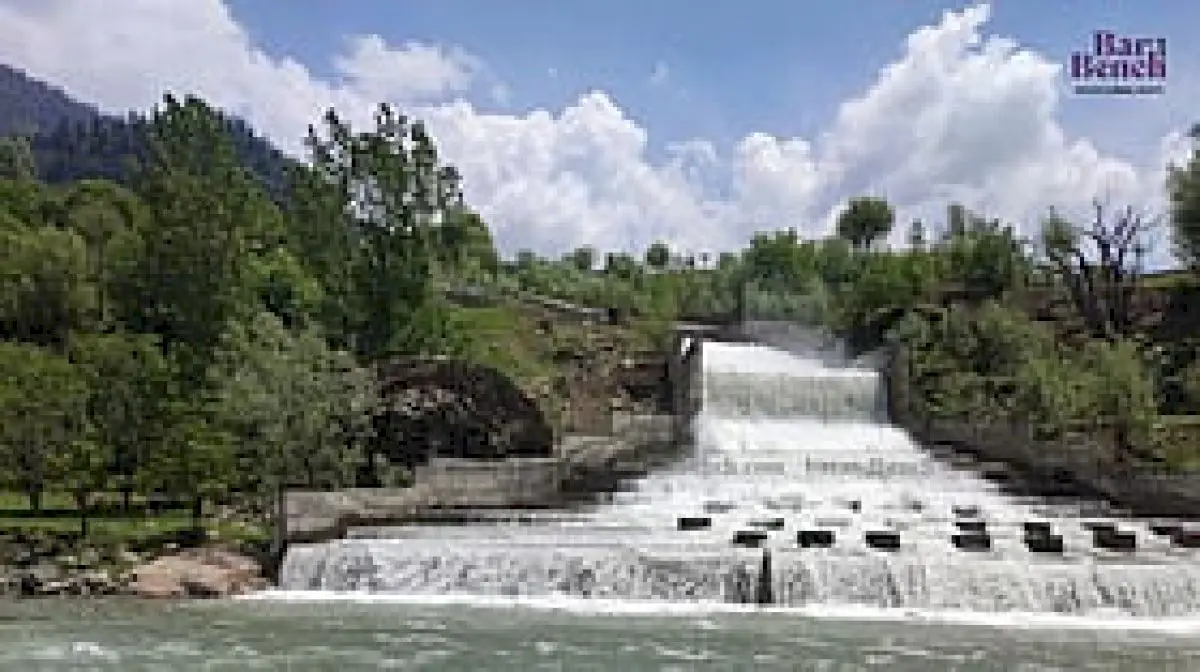
On July 23, 2026, the Madras High Court recognised the Tamirabarani River as a juristic person with a right not to be polluted, ruling that pollution violates both environmental laws and the…
The Story in Brief
On July 23, 2026, the Madras High Court recognised the Tamirabarani River as a juristic person with a right not to be polluted, ruling that pollution violates both environmental laws and the river's own rights. The court emphasised that the personhood is limited to this one right and is meant to change the moral perception of pollution as desecration of a deity. The case began as an eviction dispute but expanded after the court learned that tonnes of waste, clothes, plastic, sanitary material, are discarded into the river during religious rituals.
The court noted that the river is worshipped by crores of Hindus and cited its mention in ancient texts. It distinguished the earlier Uttarakhand High Court ruling on the Ganga and Yamuna, which was stayed by the Supreme Court. The Tamirabarani order avoids naming human guardians, confining personhood to the river's right against pollution only.
The Indian Opinion
Granting a river legal personhood is a striking move, but the narrative that it is a radical expansion of rights ignores the court's careful limits, only the right not to be polluted, and only for a river already worshipped as a deity. The same approach for the Ganga and Yamuna was stayed by the Supreme Court in 2017. The real test is whether this limited personhood survives judicial scrutiny or remains a symbolic gesture that cannot stop the tonnes of clothes and waste still being pulled from the water.
Source: barandbench.com
This story was synthesised by AI from the source linked above.