














Now Reading: Meghalaya High Court deprecates police FIRs under ‘appropriate sections’
-
01
Meghalaya High Court deprecates police FIRs under ‘appropriate sections’

Meghalaya High Court deprecates police FIRs under ‘appropriate sections’

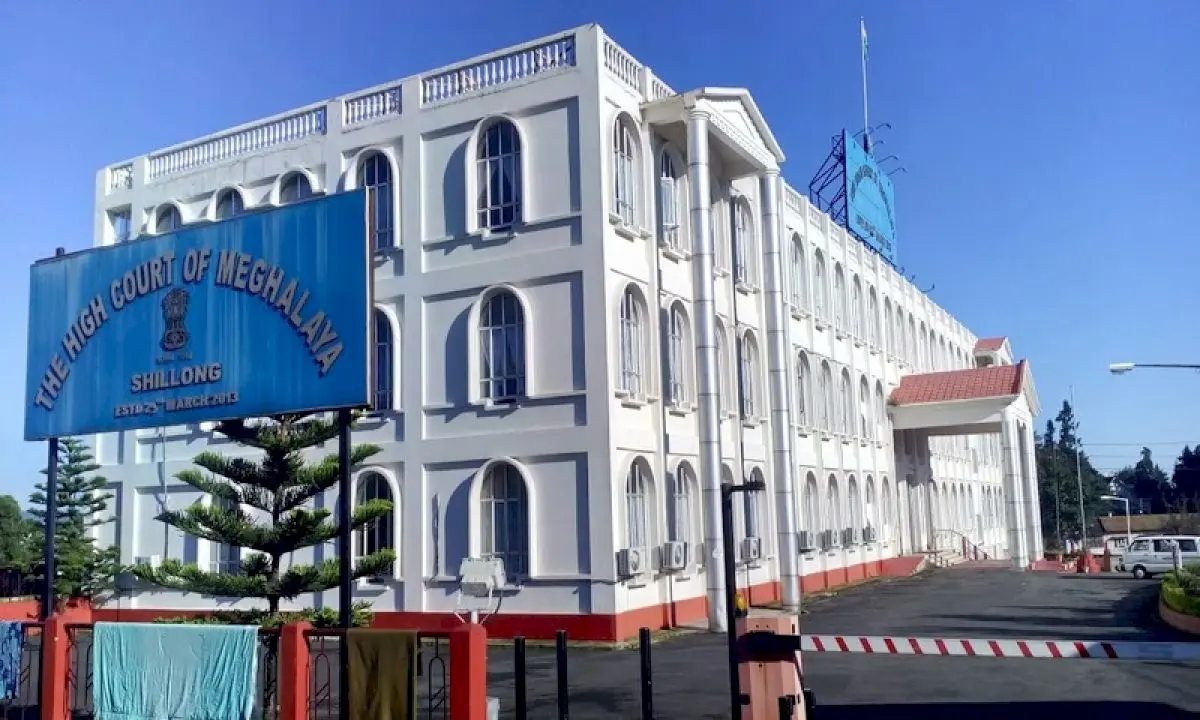
The Meghalaya High Court has strongly deprecated the police practice of registering FIRs under “appropriate sections” without first examining whether a complaint discloses a cognizable offence. Justice Revati Mohite Dere said police…
The Story in Brief
The Meghalaya High Court has strongly deprecated the police practice of registering FIRs under “appropriate sections” without first examining whether a complaint discloses a cognizable offence. Justice Revati Mohite Dere said police must apply their mind to the allegations, determine the offence and only then decide on registration.

The case involved two identical complaints by NEHU law students against professor Dr Ravi Kant Mishra. The court found no cognizable offence, noted the students no longer wished to pursue the matter, and quashed the FIRs. It also said two FIRs could not be registered on the same allegations. The court directed authorities to ensure the practice is not repeated. Future complaints against law faculty professors must first go to the Superintendents of Police.
The Indian Opinion
This order is a timely check on a lazy police habit. Writing “under appropriate sections” is not a legal shortcut, it is an abdication of duty that burdens citizens with baseless FIRs. The court rightly insists on a prima facie examination before registration. At the same time, the directive to route future student complaints through the SP could deter genuine grievances. The real test is whether police stations actually change their filing practices, not just in Meghalaya but across India. Watch if the next similar complaint is screened before an FIR is lodged.
Source: livelaw.in
This story was synthesised by AI from the source linked above.