








Now Reading: Supreme Court weighs legal routes to end student protest cases
-
01
Supreme Court weighs legal routes to end student protest cases


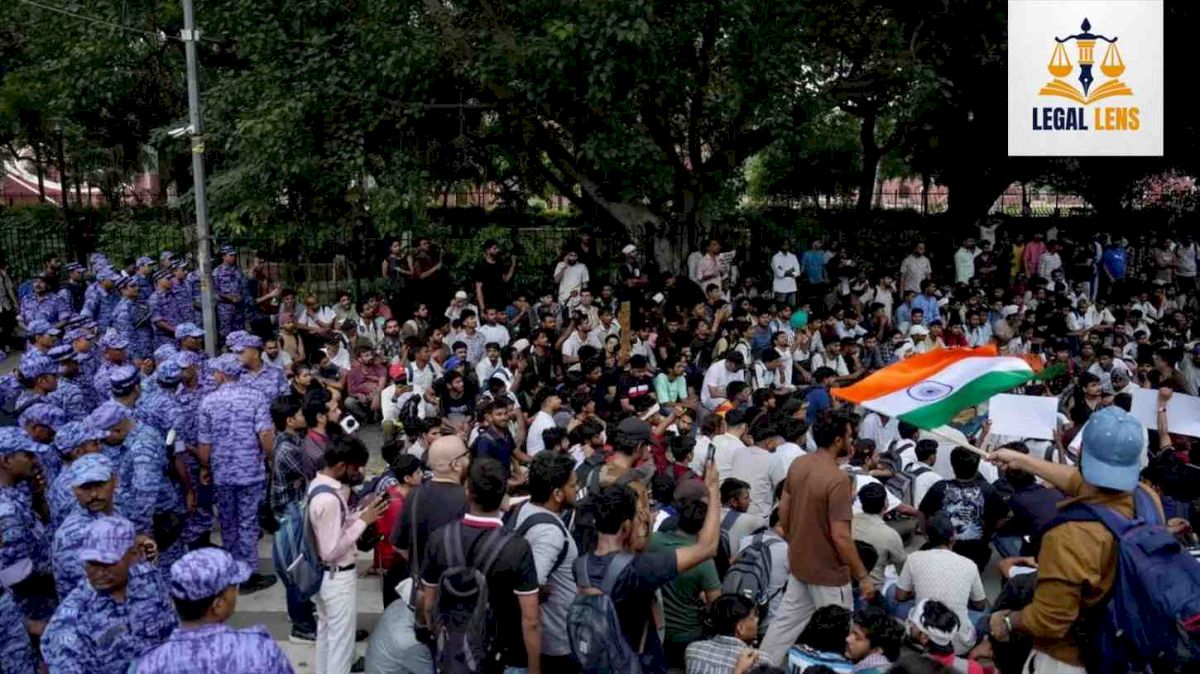
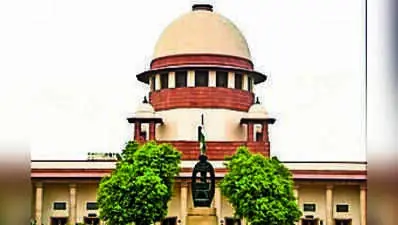
The Supreme Court has allowed States to close or withdraw cases against protesting students in accordance with law, but stopped short of ordering that the FIRs be quashed. The issue arose on…
The Story in Brief
The Supreme Court has allowed States to close or withdraw cases against protesting students in accordance with law, but stopped short of ordering that the FIRs be quashed. The issue arose on August 3 after the Union government said it remained committed to ending the cases but faced legal complications. The Federal explains that closure, withdrawal and quashing are separate procedures controlled by police, prosecutors, lower courts or constitutional courts.
A Bihar FIR reportedly names 144 protesters and around 5,000 unidentified people, including at least 50 minors, in an attempt-to-murder case. Closure requires a police report and Magistrate’s decision. Withdrawal needs a prosecutor’s request and court consent. Quashing is a judicial power that can end the proceedings themselves.
The Indian Opinion
The easy narrative is that a political promise can simply make an FIR vanish. The opposite claim, that every protest case must run its full course, is just as careless. Law requires scrutiny because mass FIRs can sweep in minors and unidentified people, while victims and informants also have rights. The fair test is whether each case is formally disposed of, including the unidentified accused, rather than left open on paper.
Source: thefederal.com
This story was synthesised by AI from the source linked above.