









Now Reading: Missouri plant turns old wind turbine blades into cement feedstock
-
01
Missouri plant turns old wind turbine blades into cement feedstock

Missouri plant turns old wind turbine blades into cement feedstock


A cement plant in Louisiana, Missouri, is shredding decommissioned wind turbine blades into feedstock, replacing both raw silica and coal in the kiln. The plant has processed nearly 2,000 blades since late…
The Story in Brief
A cement plant in Louisiana, Missouri, is shredding decommissioned wind turbine blades into feedstock, replacing both raw silica and coal in the kiln. The plant has processed nearly 2,000 blades since late 2020 and receives about 250 more each month. Over 70% of a blade is silica, the main ingredient in cement, while the remainder burns as fuel. Each 150-foot blade weighs roughly 20,000 pounds even after being cut into sections with diamond wire saws at the wind farm. The Casper Regional Landfill in Wyoming buried 1,124 blades between spring 2019 and September 2020, but now blades are diverted to Missouri instead.
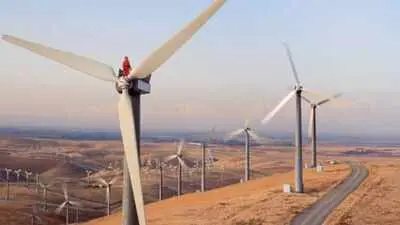
Other uses include a pedestrian bridge in County Cork, Ireland, built from two decommissioned blades, and a similar bridge in Poland. Researchers estimate 43 million tonnes of blade material will be discarded worldwide by mid-century. Newer blades are being designed for chemical breakdown at end of life, but existing ones still face landfill, kiln, or bridge routes.
The Indian Opinion
The recycling of blades into cement is a neat chemistry trick, but the numbers do not add up. With 43 million tonnes of blade waste expected by 2050, the few thousand blades processed monthly are a rounding error. The real test is whether newer chemically separable blades will arrive fast enough to avoid a landfill crisis. Will the industry match its own green claims before the old blades pile up?
Source: timesofindia.indiatimes.com
This story was synthesised by AI from the source linked above.
Updated: this story now draws on 1 sources.