




















Now Reading: Modi’s five-nation tour aimed at energy security amid Iran strikes
-
01
Modi’s five-nation tour aimed at energy security amid Iran strikes

Modi’s five-nation tour aimed at energy security amid Iran strikes

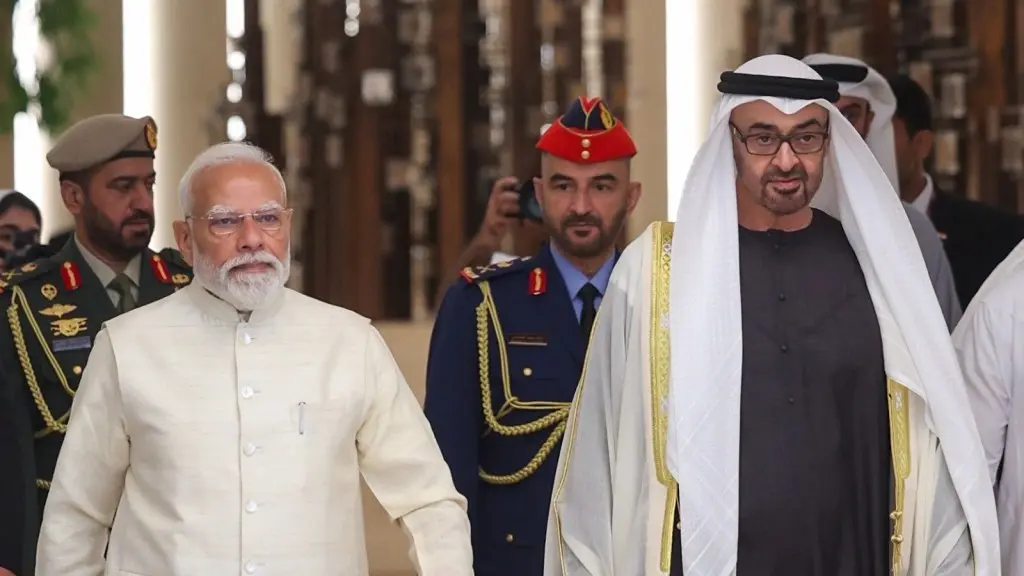
PM Modi's recent five-nation tour was a calculated diplomatic move, not ceremonial, with energy cooperation as a key focus in the UAE amid volatile oil markets. The tour came after Israel and…
PM Modi's recent five-nation tour was a calculated diplomatic move, not ceremonial, with energy cooperation as a key focus in the UAE amid volatile oil markets. The tour came after Israel and the US launched air strikes against Iran, which disrupted global energy markets, unsettled supply chains, and raised oil prices and transportation costs worldwide.
For India, a major energy importer, the risks were immediate. The conflict also raised personal uncertainty for Indian Muslims preparing for Haj, with concerns over cancelled flights, travel cost spikes, and security derailing the pilgrimage.
Indian Opinion Analysis
This tour shows how West Asian instability directly pressures India's energy security, which has long relied on the Gulf for crude. The Haj concern highlights the conflict's human cost for India's large Muslim minority, a demographic that often shapes domestic political calculations. With oil prices still volatile and no ceasefire in sight, New Delhi's immediate test will be securing alternative supply lines and affordable fares for pilgrims before the Haj season begins.
The next step to watch is whether India can negotiate price caps or long-term contracts with the UAE to insulate itself from further price shocks.
Source: indianexpress.com
This brief was synthesised by AI from the source linked above.