













Now Reading: Mongolian herders sing to reunite rejected baby camels with mothers
-
01
Mongolian herders sing to reunite rejected baby camels with mothers

Mongolian herders sing to reunite rejected baby camels with mothers


Mongolian herders in the Gobi Desert practise Khööslökh, a camel coaxing ritual, to persuade mother camels to accept their rejected newborn calves. The herder sings a slow, aching melody, often accompanied by…
The Story in Brief
Mongolian herders in the Gobi Desert practise Khööslökh, a camel coaxing ritual, to persuade mother camels to accept their rejected newborn calves. The herder sings a slow, aching melody, often accompanied by a horsehead fiddle called the morin khuur. Witnesses describe the mother gradually softening and sometimes crying before she lets the calf nurse.
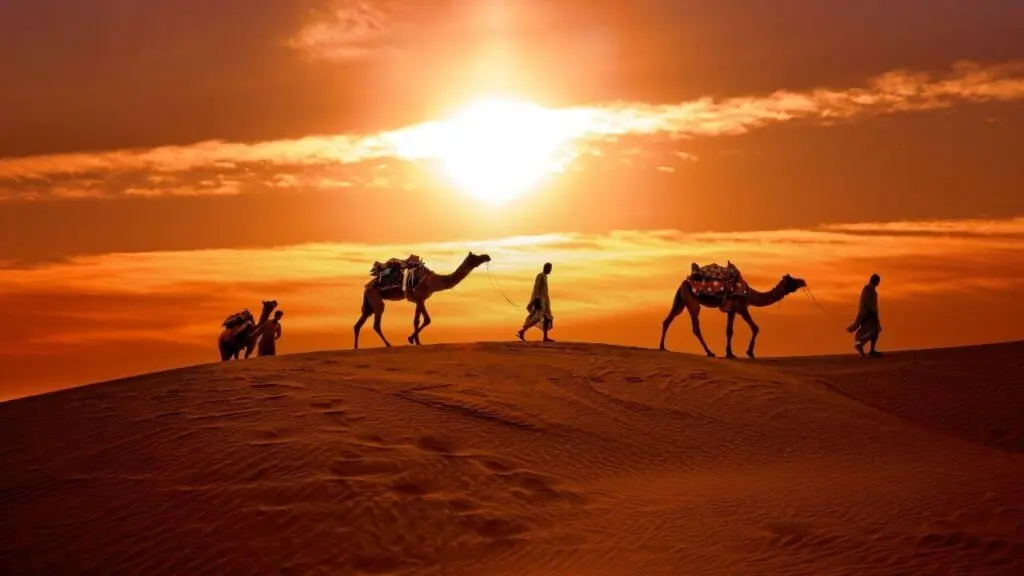
The tradition, born from the critical need to save calves that otherwise would not survive, has been passed down through generations. UNESCO inscribed the ritual on its Representative List of the Intangible Cultural Heritage of Humanity, recognising its cultural importance.
The Indian Opinion
If this strikes you as a quaint fairy tale from the steppes, remember the Gobi herder counts his livelihood in camels. Framing the ritual as merely quaint misses its practical genius. The real story is that a UNESCO-recognised practice born of necessity survives by results, not sentiment. Over coffee, the question an ordinary Indian might ask is simple: how many modern farming innovations can match a tradition that has worked for generations?
Source: timesofindia.indiatimes.com
This story was synthesised by AI from the source linked above.