











Now Reading: Nepal sees a surge in electric vehicle imports as fuel prices rise
-
01
Nepal sees a surge in electric vehicle imports as fuel prices rise

Nepal sees a surge in electric vehicle imports as fuel prices rise

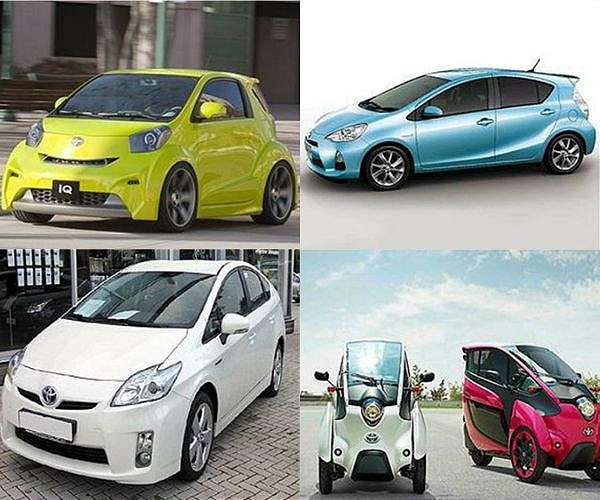
Nepal is seeing growing demand for electric vehicles as global fuel prices climb amid the Middle East conflict and disruption to shipping through the Strait of Hormuz. The country had an estimated…
Nepal is seeing growing demand for electric vehicles as global fuel prices climb amid the Middle East conflict and disruption to shipping through the Strait of Hormuz. The country had an estimated 50,000 EVs among 6.2 million registered vehicles, and imported more than 13,500 electric vehicles between mid-2024 and mid-2025, twice the number of petrol vehicles brought in over the same period, according to government data cited in the report.
Rising hydropower generation, a comparatively cleaner electricity grid and an expanding network of highway charging stations have supported the shift. EV owners and drivers said running costs were now lower, while dealers said they were struggling to meet demand, with hundreds of vehicles still awaiting customs clearance. The government has approved rules allowing petrol and diesel vehicles to be converted to electric power, and plans to replace about 10,000 vehicles damaged in last year's protests with EVs.
Indian Opinion Analysis
The report links Nepal's EV uptake to both rising fuel costs and improving charging infrastructure, but electric vehicles still make up only a small fraction of the national fleet, so claims that the country has been insulated from the fuel shock go further than the numbers shown here support. Supply bottlenecks, affordability and grid capacity could all still slow the trend. Whether the promised legal framework for retrofitting petrol vehicles, and the planned replacement of protest-damaged vehicles, actually expand the EV share rather than just import numbers is the figure worth watching next.
Source: IndoDaily
This brief was synthesised by AI from the source linked above.