Now Reading: Parliament passes MSME bill with TReDS mandate, tighter timelines
-
01
Parliament passes MSME bill with TReDS mandate, tighter timelines


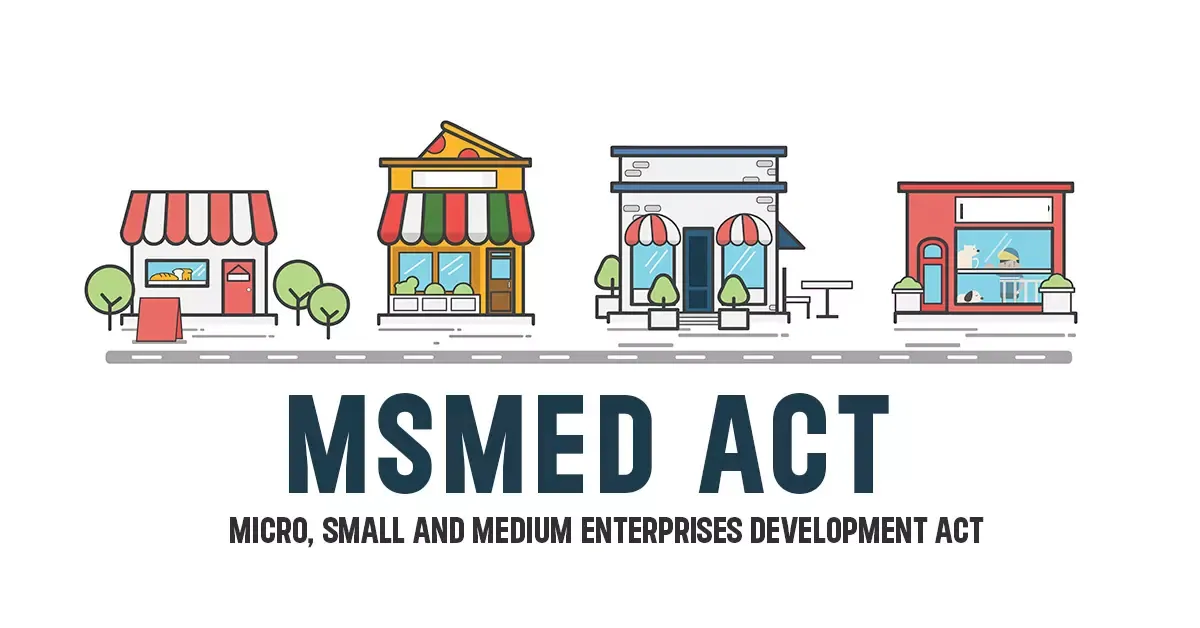
Parliament has passed the Micro, Small and Medium Enterprises Development (Amendment) Bill, 2026, which overhauls payment and dispute-resolution rules for MSMEs. The Bill makes it mandatory for Central Public Sector Enterprises to…
The Story in Brief
Parliament has passed the Micro, Small and Medium Enterprises Development (Amendment) Bill, 2026, which overhauls payment and dispute-resolution rules for MSMEs. The Bill makes it mandatory for Central Public Sector Enterprises to route MSME invoice settlements through the Trade Receivables Discounting System (TReDS) platform. State governments can extend this to state PSUs. The Bill also introduces a '90-30-90' timeline: 90 days for mediation after first appearance, 30 days to refer unresolved disputes to arbitration, and another 90 days to deliver an arbitral award after pleadings are completed.

A new provision requires courts to direct payment of at least 50% of the awarded amount to an MSME supplier if a buyer's challenge remains pending beyond six months. The pre-deposit requirement of 75% of the award amount to file a challenge is retained. Livelaw.reports that the existing MSMED Act's promise of speedy resolution has not translated into practice, with official data showing about 36% of about 2.57 lakh applications filed on the MSME Samadhaan portal remain pending.
The Indian Opinion
The 90-30-90 timeline sounds efficient on paper, but the MSME Samadhaan portal already shows a 36% pendency rate under the current system. The real test is whether Facilitation Councils can clear the existing 90,000-plus pending cases while absorbing new ones under tighter deadlines. Forcing government PSUs onto TReDS may reduce delays from the biggest buyers. The question that matters: will the new Bill shorten the wait for cash-strapped small units from years to months, or just add another layer of paperwork?
Sources (2): livelaw.in, cfo.economictimes.indiatimes.com
This story was synthesised by AI from the 2 sources linked above.
Updated: this story now draws on 2 sources.