










Now Reading: Chandrasekaran to step down as Tata Sons chairman after board split
-
01
Chandrasekaran to step down as Tata Sons chairman after board split

Chandrasekaran to step down as Tata Sons chairman after board split

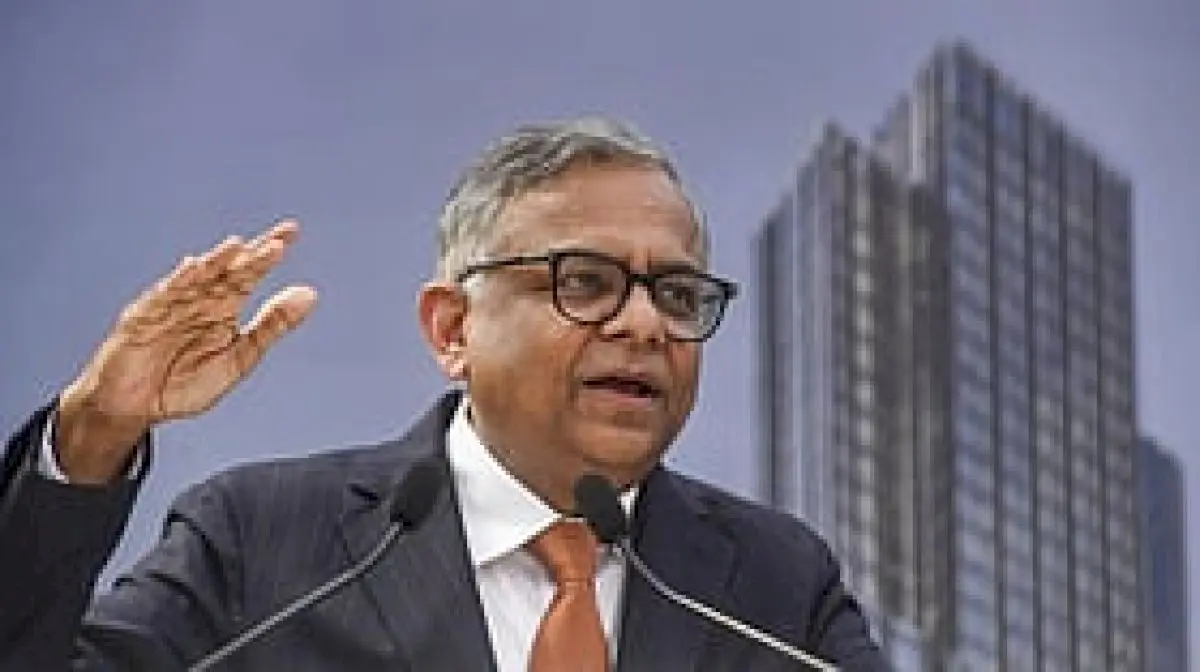
Tata Sons chairman N Chandrasekaran announced on August 12 that he will not seek reappointment when his term ends on February 20, 2027. He cited the lack of unanimous board support for…
The Story in Brief
Tata Sons chairman N Chandrasekaran announced on August 12 that he will not seek reappointment when his term ends on February 20, 2027. He cited the lack of unanimous board support for a five-year extension. The proposal failed after Noel Tata, chairman of the Tata Trusts which own 66% of Tata Sons, opposed it, seeking a clearer roadmap for new businesses including Air India, which reported a loss of Rs 22,238 crore in FY26. Tata Trusts have initiated the process to set up a selection committee for a successor. The group's listed companies lost $4.5 billion in market value after the announcement.

Chandrasekaran, who led the group since 2017, oversaw major acquisitions including Air India and large investments in semiconductors and electronics. His tenure also saw consolidation of group companies. The succession process now puts focus on Noel Tata, who chairs Tata Trusts and had earlier raised concerns about the performance of new ventures. The board has six directors, including Chandrasekaran, Noel Tata, and independent members.
The Indian Opinion
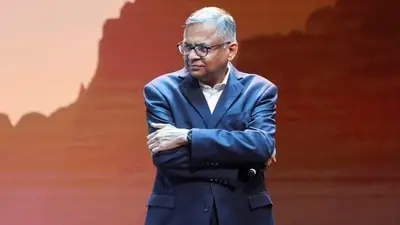
The narrative of a sudden boardroom coup misses the point. Noel Tata, representing the controlling Trusts, asked legitimate questions about Rs 30,000 crore in combined losses from new businesses. That is not meddling, it is fiduciary duty. The more one-sided story would be to paint Chandrasekaran as a victim of family politics. He enjoyed a decade of near-unchecked authority and placed giant bets. The real test for the next chairman will be whether he can say no to loss-making expansions and whether the Trusts will give him the mandate to do so without fresh boardroom fights.
Sources (7): deccanherald.com, cfo.economictimes.indiatimes.com, cfo.economictimes.indiatimes.com (2), livemint.com, ndtvprofit.com, hindustantimes.com, timesnownews.com
This story was synthesised by AI from the 7 sources linked above.
Updated: this story now draws on 7 sources.