


















Now Reading: Nalco to commission India’s first gallium recovery plant in November
-
01
Nalco to commission India’s first gallium recovery plant in November


The Story in Brief
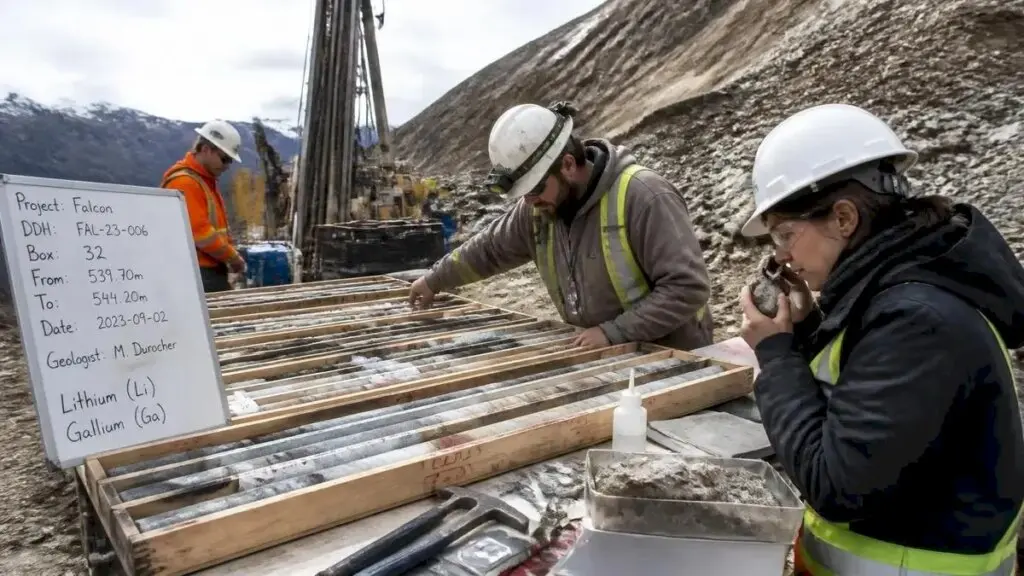
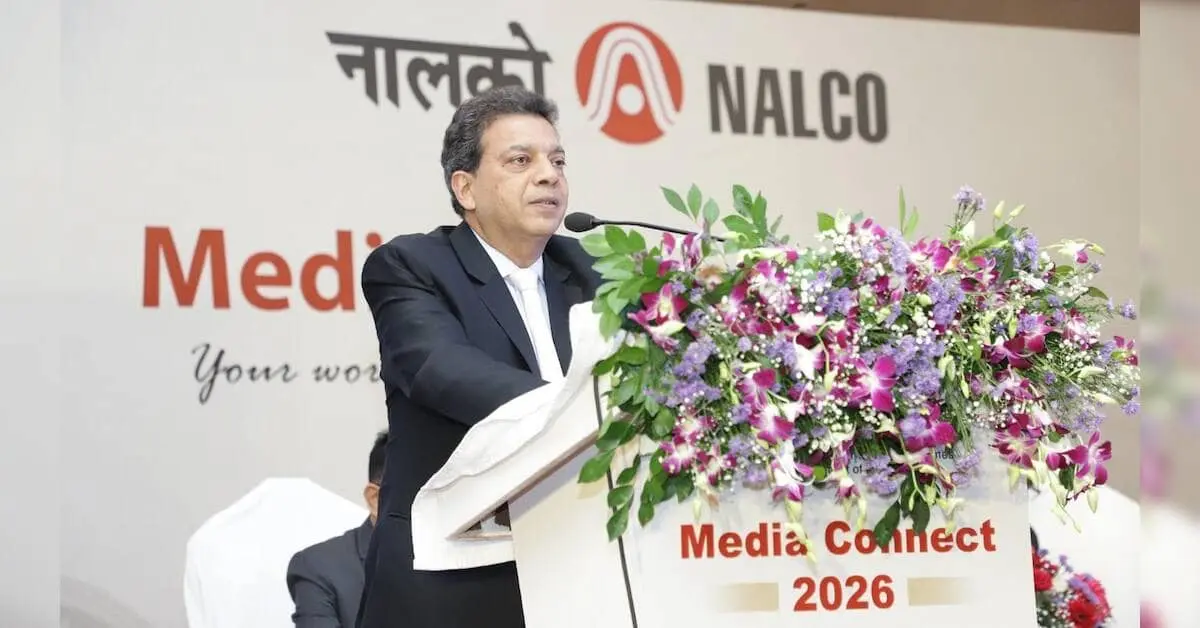
State-run Nalco will commission India’s first gallium recovery pilot plant in November 2026 at its Damanjodi refinery complex in Koraput, chairman and managing director Brijendra Pratap Singh announced on Friday (13 November 2026). The project, developed with BARC and the Heavy Water Board, is meant to build domestic supply for a critical mineral used in semiconductors and defence technologies, Singh said.
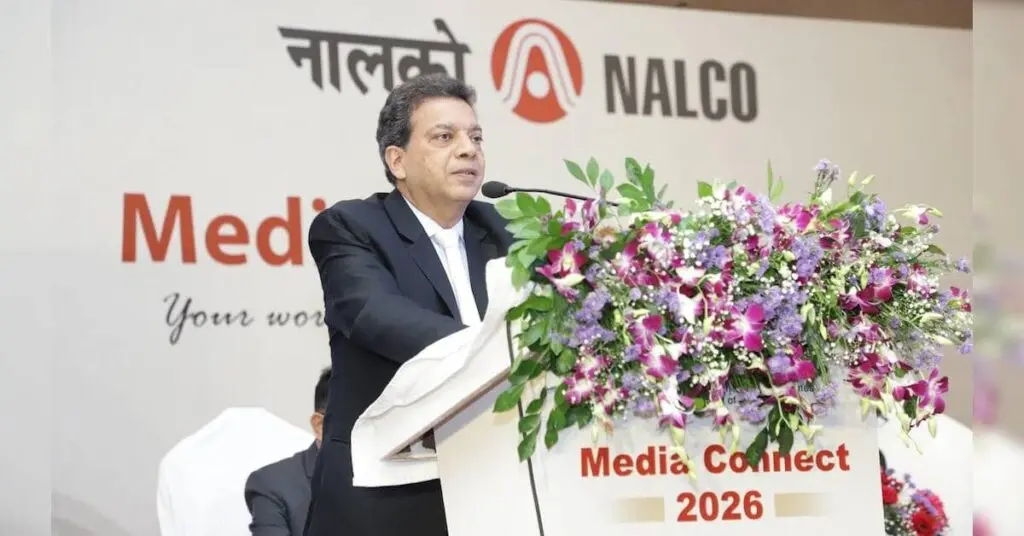
Singh also ruled out any privatisation plan, saying the government’s mandate is to expand. He reported record half-yearly results: total income of Rs 11,143 crore, up 33 per cent year-on-year, and a PAT of Rs 3,837 crore, up 54 per cent. The company plans to invest Rs 30,000 crore in a 0.5-million-tonne smelter at Anugul, targeted for commissioning by December 2030. An interim dividend of Rs 4.50 per equity share was declared.
Nalco’s alumina production is expected to rise from 2.1 million tonnes to 3.1 million tonnes annually, with the company also launching a new green energy vertical, Nalco Green, to integrate 200-250 MW of renewable energy into the Anugul project.
Indian Opinion Analysis
Business Standard and Odisha Bytes both report Nalco’s first gallium recovery plant, the smelter expansion, and the financial results. Business Standard leads with the gallium milestone, frames it as a critical-minerals self-sufficiency story, and devotes detail to timelines, alumina targets, and international price pressure on earnings. Odisha Bytes front-loads the clearance that Nalco will not be privatised, leads with the record half-year results and the new green energy vertical, and treats the gallium plant as a supporting item later. The two outlets agree on all facts: the Rs 30,000-crore Anugul smelter by December 2030, land by February 2027, and the joint venture with NLC India for captive power. The difference is that Business Standard gives more operational and market-risk context, while Odisha Bytes foregrounds the state-owned company’s financial strength and public-sector commitment.
Coverage: 2 sources, 1 pro-government, 1 neutral
Sources (2): business-standard.com (neutral report), odishabytes.com (pro government)
This brief was synthesised by AI from the 2 sources linked above, so one read covers every framing they carry. Methodology and corrections.