














Now Reading: NALSAR student body challenges BCI’s batch-wide enrolment order
-
01
NALSAR student body challenges BCI’s batch-wide enrolment order


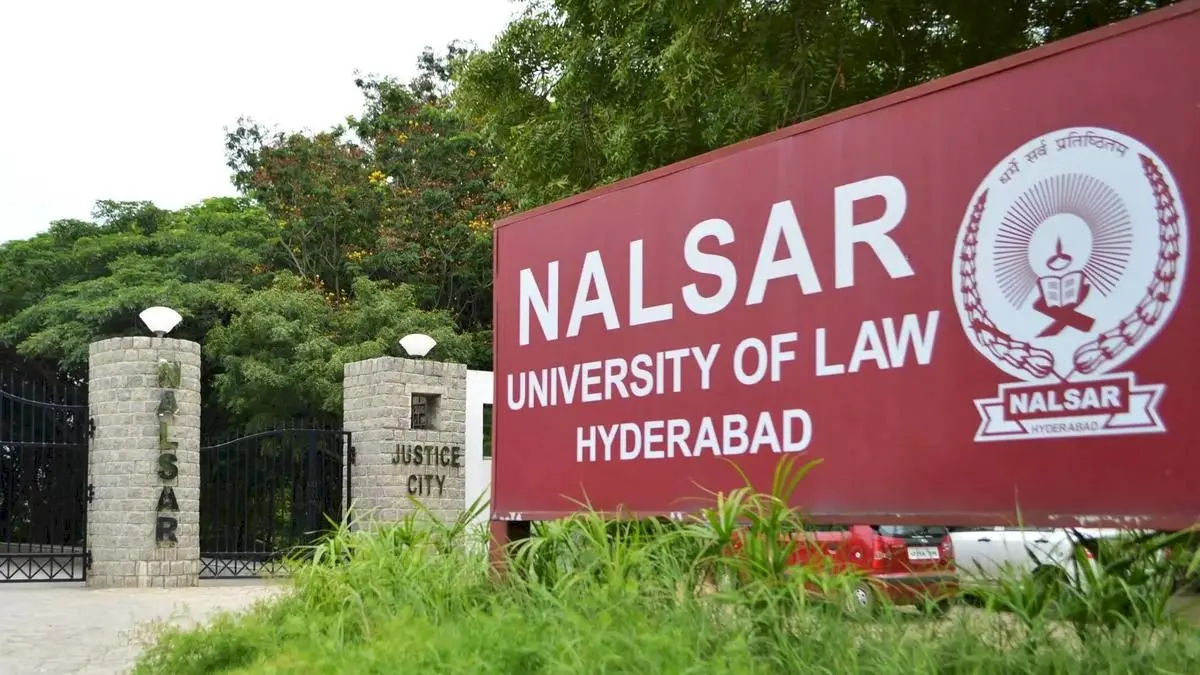
NALSAR University of Law’s Student Bar Council has challenged the legal basis of the Bar Council of India’s August 13 order barring the 2026 graduating batch from enrolment with State Bar Councils.…
The Story in Brief
NALSAR University of Law’s Student Bar Council has challenged the legal basis of the Bar Council of India’s August 13 order barring the 2026 graduating batch from enrolment with State Bar Councils. The order was withdrawn within hours, according to the Free Press Journal, which also reported that the BCI had sought names of students and faculty involved in objections to inviting Chief Justice of India Surya Kant to the convocation.
In a statement issued on August 14, the student body said Section 49 of the Advocates Act is a rule-making provision and cannot create new enrolment restrictions. More than 400 alumni also criticised the BCI’s action and called for dialogue, the Free Press Journal reported.
The Indian Opinion
Calling the episode a “witch hunt” captures the anger, but it should not replace scrutiny of the legal issue. Equally, portraying student objections as an attack on the judiciary is a lazy reading of a university disagreement. The BCI’s withdrawal reduced the immediate harm, but the underlying question remains clear: can a regulator impose a collective enrolment ban without explicit statutory authority? Any fresh order should answer that point in law, not through threats or broad demands for names.
Sources (2): thehindu.com, freepressjournal.in
This story was synthesised by AI from the 2 sources linked above.
Updated: this story now draws on 2 sources.