











Now Reading: Nasa’s Roman telescope to launch Aug 30, survey 100 crore galaxies
-
01
Nasa’s Roman telescope to launch Aug 30, survey 100 crore galaxies

Nasa’s Roman telescope to launch Aug 30, survey 100 crore galaxies

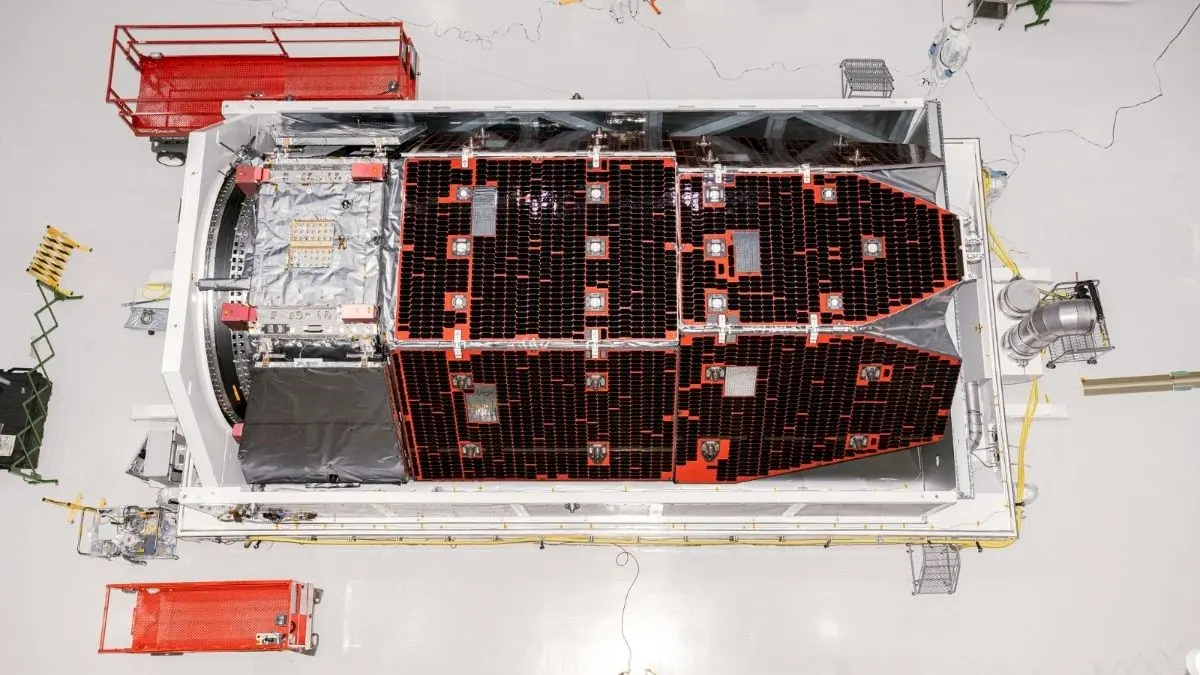
Nasa's Nancy Grace Roman Space Telescope is set to launch on August 30 aboard a SpaceX Falcon Heavy rocket from Cape Canaveral, eight months ahead of schedule and under budget. Once in…
The Story in Brief
Nasa's Nancy Grace Roman Space Telescope is set to launch on August 30 aboard a SpaceX Falcon Heavy rocket from Cape Canaveral, eight months ahead of schedule and under budget. Once in space, the telescope will travel 1.6 million km from Earth for a five-year mission. Its Wide Field Instrument captures an area 100 times larger than Hubble's while maintaining sharpness, allowing it to survey over 100 crore galaxies, hundreds of millions of stars, and more than 1,00,000 worlds.
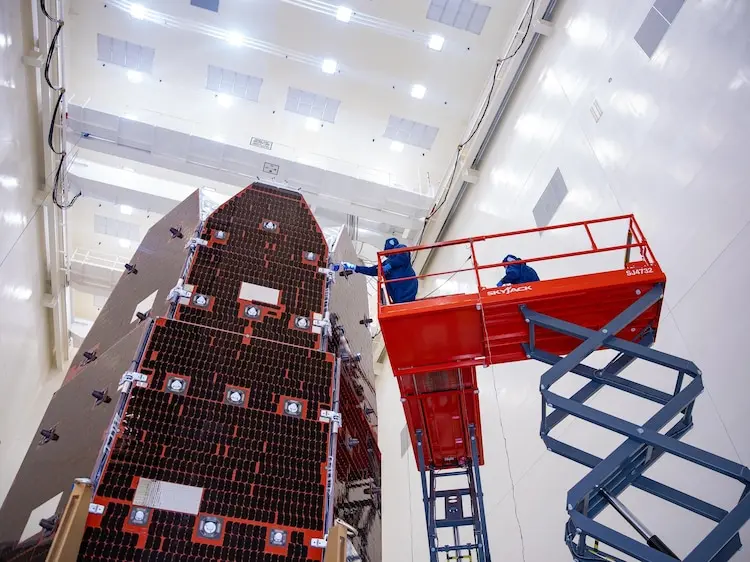
Roman will conduct three major surveys: mapping galaxy distribution to study dark energy, creating time-lapse images of cosmic changes, and using gravitational microlensing to find exoplanets, including rogue planets. It also carries a Coronagraph Instrument to directly image giant planets around other stars. Nasa's Goddard Space Flight Center manages the mission. The telescope is designed for breadth over depth, repeatedly scanning huge sky areas to understand how the universe evolves.
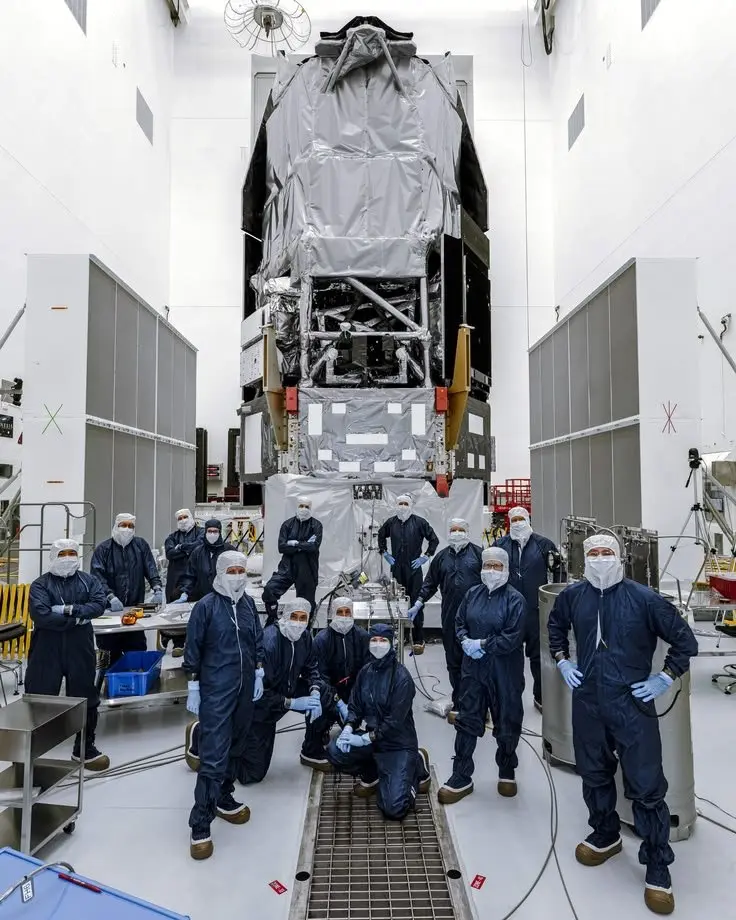
The Indian Opinion
The hype around Roman finding dark energy or Earth-like worlds overlooks the slow, incremental nature of space science. Its power lies in volume, not breakthrough. The real test will come when the first data releases show whether the scale translates into clear patterns. Can Roman distinguish dark energy effects from systematic errors? The answer may take years, not headlines.
Source: indiatoday.in
This story was synthesised by AI from the source linked above.