



















Now Reading: NCERT textbook details Mughal brutality against Sikh Gurus
-
01
NCERT textbook details Mughal brutality against Sikh Gurus


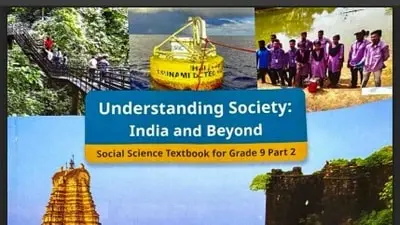
The NCERT Class 9 Social Science textbook released on Tuesday describes the Mughal state's persecution of Sikh Gurus as having 'few comparisons in history', saying it was rooted in 'rigid religious and…
The NCERT Class 9 Social Science textbook released on Tuesday describes the Mughal state's persecution of Sikh Gurus as having 'few comparisons in history', saying it was rooted in 'rigid religious and discriminatory practices'. The chapter 'Resistance and Resilience' covers the executions of Guru Arjan Dev under Jahangir, Guru Tegh Bahadur under Aurangzeb and Guru Gobind Singh's founding of the Khalsa in 1699. It calls Guru Arjan Dev's death a 'significant turning point'.
The previous NCERT textbook, used from 2007 to 2025, did not include this content. Hindustan Times reports historian Ruchika Sharma calling the new religious-conflict interpretation 'massively debunked' and arguing the conflict was political. Times Now reports the textbook's content without external commentary. NCERT did not respond to queries.
Indian Opinion Analysis
Hindustan Times contrasts the new NCERT account of Mughal-Sikh conflict with an older 'largely political' thesis, quoting historian Ruchika Sharma calling the current framing 'massively debunked'. Times Now reports the textbook's content without external criticism, describing execution accounts and their impact. The difference is structural: one source adds expert pushback, the other treats the official account as straight curriculum news. The real substance is whether NCERT is reviving an older religious-conflict model or correcting a gloss. The historian's objection is the key fact to watch as the textbook enters classroom use.
Coverage: 2 sources, 1 government-critical, 1 neutral
Sources (2): hindustantimes.com (government critical), timesnownews.com (neutral report)
This brief was synthesised by AI from the 2 sources linked above, so one read covers every framing they carry. Methodology and corrections.