


















Now Reading: Neighbourhood debt crises push India into creditor- stabiliser role
-
01
Neighbourhood debt crises push India into creditor- stabiliser role


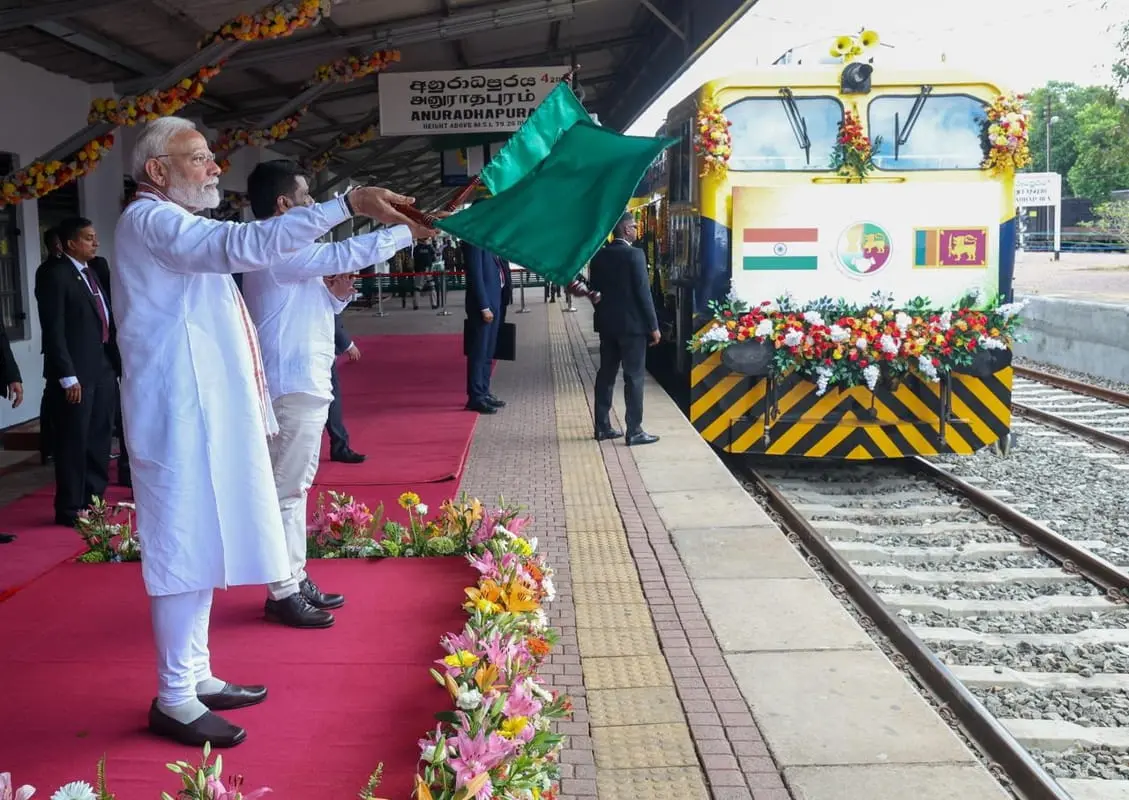
India is being forced into a hybrid role of creditor, stabiliser and geopolitical counterweight as its neighbours face the highest debt-to-GDP ratios among developing regions, warns a new analysis by Sri Lankan economist Talal Rafi for NatStrat. South Asia's average debt-to-GDP ratio hit 86% by 2022, the highest of any emerging region.

Sri Lanka, Bhutan and the Maldives each have debt-to-GDP ratios over 100%. While India extended a $4 billion lifeline to Sri Lanka in 2022 and prevented a Maldives default in 2025, the article notes that the region's external debt is dominated by Washington-led multilateral institutions and China as the largest bilateral lender.
The analysis argues that India must choose between stepping in to help neighbours or letting other powers, primarily China and the US via the IMF, gain influence in its backyard. With 84 IMF engagements across South Asia, the region remains highly vulnerable to debt stress.
Indian Opinion Analysis
Shri. Talal Rafi's piece on NatStrat reads as a classic 'neighbourhood-first' briefing that Indian security circles have been circulating since the 2022 Sri Lankan crisis. The article's core premise, that India must counter Chinese and IMF influence in South Asia, rests on the unspoken assumption that India can itself afford to be a serial lender. What the analysis omits is the domestic cost: India's own foreign-exchange reserves, while comfortable, are not infinite, and each billion-dollar bailout to Male or Colombo is a billion rupees not spent on Indian infrastructure or defence. The piece also sidesteps the uncomfortable reality that New Delhi's bilateral lending terms are often opaque, with critics inside India questioning whether these 'lifelines' are transparently accounted for in the Union Budget. The real metric to watch is not just debt-to-GDP ratios of neighbours, but India's own 'bailout-to-budget' ratio in the coming years. Look for a Parliamentary committee review of external assistance outflows as the next concrete signal.
Source: natstrat.org
This story was synthesised by AI from the source linked above. Methodology and corrections.