












Now Reading: Nepal PM breaks silence as communal clashes kill three, curfews spread
-
01
Nepal PM breaks silence as communal clashes kill three, curfews spread

Nepal PM breaks silence as communal clashes kill three, curfews spread


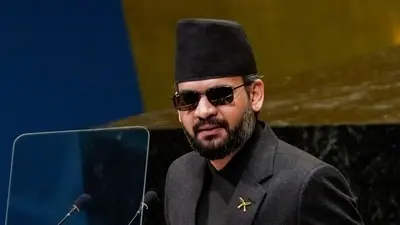
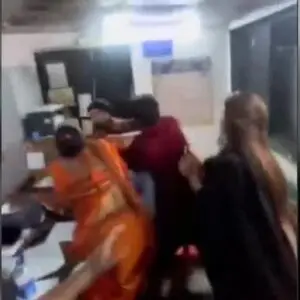
Nepal Prime Minister Balendra Shah on Thursday finally addressed the nation after three days of communal violence in the southern plains left three dead and curfews imposed across five districts. The unrest…
The Story in Brief
Nepal Prime Minister Balendra Shah on Thursday finally addressed the nation after three days of communal violence in the southern plains left three dead and curfews imposed across five districts. The unrest began on Sunday night in Sunsari district after a dispute between Hindu and Muslim groups over religious celebrations. Two died in police firing, and a third protester was killed in Siraha. Shah urged restraint and deployed the army, but observers criticised his delayed response and reliance on social media. Muslims are about 5% of Nepal’s population but concentrated in the affected southeastern districts, where communities have largely coexisted peacefully for decades.
The Indian Opinion
The narrative that Nepal’s latest violence is a simple Hindu-Muslim flare-up is lazy. The Hindu reports underlying social mistrust, weak civic leadership, and a PM who avoids Parliament and Parliament and prefers Twitter to a national address. The real story is institutional drift, not just religious friction. Watch whether Kathmandu’s promised talks lead to concrete cross-community confidence-building steps, or if this becomes another cycle of curfews and silence.
Source: thehindu.com
This story was synthesised by AI from the source linked above.