











Now Reading: New alloy discovered in Hiroshima atomic blast debris
-
01
New alloy discovered in Hiroshima atomic blast debris


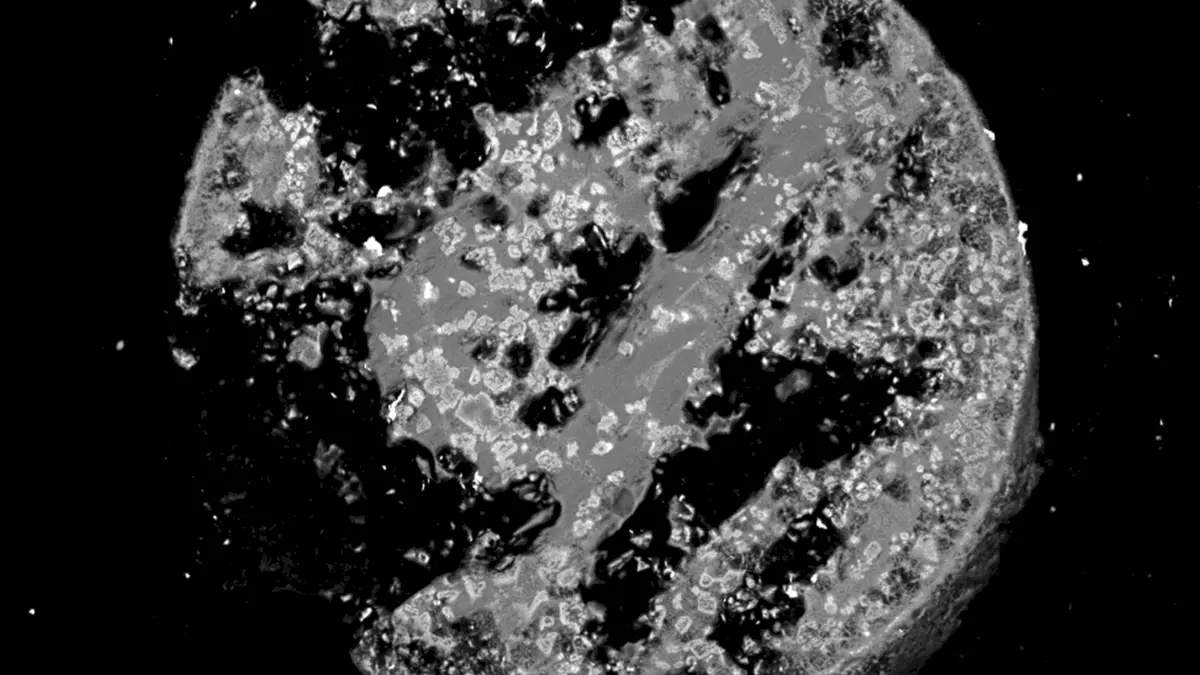
Researchers have identified a previously unknown metal alloy inside glass-like beads called hiroshimaites, recovered from Hiroshima Bay. The beads formed when the 1945 atomic bomb's fireball, hotter than 7,000°C, vaporised urban materials…
The Story in Brief
Researchers have identified a previously unknown metal alloy inside glass-like beads called hiroshimaites, recovered from Hiroshima Bay. The beads formed when the 1945 atomic bomb's fireball, hotter than 7,000°C, vaporised urban materials that solidified on falling. The alloy, found as a micrometer-sized grain, mixes iron, chromium, nickel, manganese, molybdenum, silicon, and aluminium in a unique crystal structure.
The findings, published in Science Advances on July 29, suggest the alloy formed by ultrafast quenching impossible under normal conditions. The Hindu reports the team believes the blast acted as a natural laboratory, producing materials hard to synthesise. The debris, they say, preserves a high-resolution record of the nuclear event's chemistry.
The Indian Opinion
Headlines may tempt readers to frame this as 'good news from a bomb', a narrative that sanitises Hiroshima's horror. The science is genuinely significant: it proves extreme events can forge exotic materials, and engineers will rightly study the alloy's strength. But the discovery is not a silver lining. It is a fingerprint of mass destruction, preserved in sand. The real lesson is not novelty, but the enduring physical record of what happened. Watch whether the alloy's properties can be replicated cleanly in a lab, which would separate its scientific utility from its grim origin. Who will fund that work, and for what purpose? The answer will reveal whether we honour the victims or merely mine their ashes.
Source: thehindu.com
This story was synthesised by AI from the source linked above.