

















Now Reading: NMEO-OP: Five years on, India’s oil-palm return is modest
-
01
NMEO-OP: Five years on, India’s oil-palm return is modest


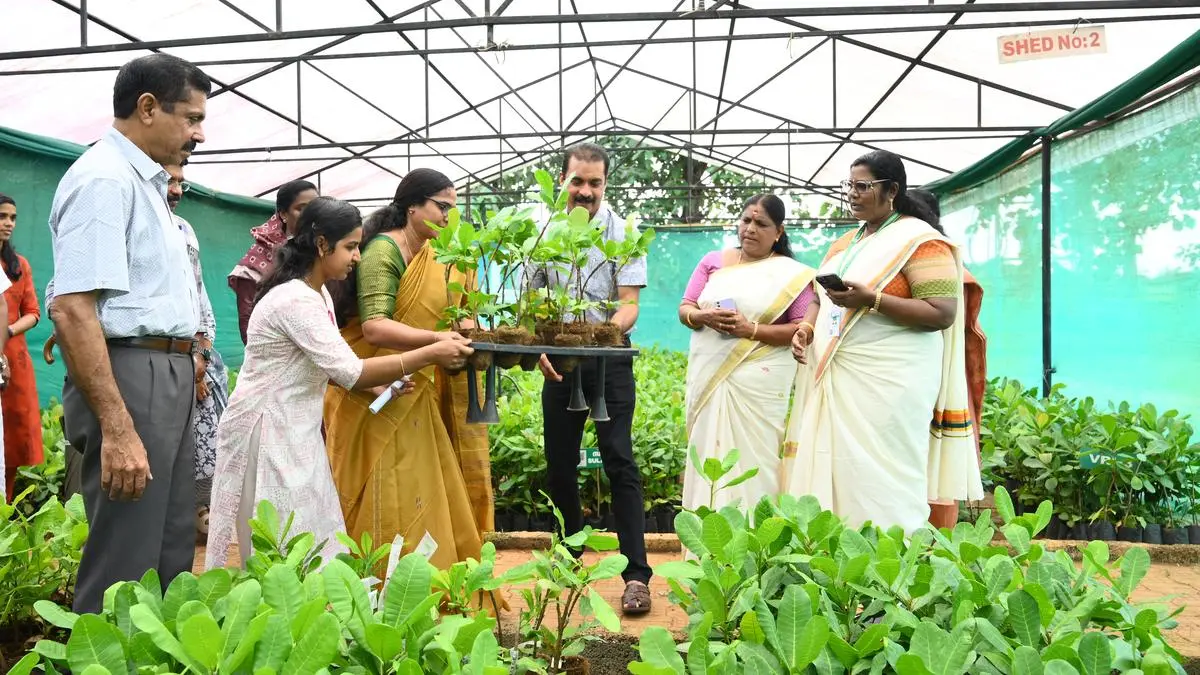
An analysis of the National Mission on Edible Oils-Oil Palm (NMEO-OP) for FY2021-22 to FY2025-26 shows that India brought 2.73 lakh hectares under oil palm, taking the cumulative area to 6.40 lakh hectares as on 31 March 2026. The mission had an approved outlay of Rs 11,040 crore, of which the Centre released Rs 1,447.21 crore to implementing states.

Early plantation cohorts in Andhra Pradesh and Telangana, which account for about 97% of India's crude palm oil (CPO) production, are estimated to have produced 24,000 to 26,700 tonnes of CPO. At an import value of roughly Rs 88,000 to Rs 94,000 per tonne, the gross import-substitution value is about Rs 2,100 to Rs 2,500 crore. The indicative realised-return multiple is around 1.4 to 1.6 times.
The analysis cautions that hectares alone do not measure return, as plantation age, productivity, and processing access vary. It recommends that NMEO-OP 2.0 focus on creating productive oil-palm regions rather than merely expanding area, drawing lessons from Andhra Pradesh and Telangana on farmer confidence, irrigation, and value-chain discipline.
Indian Opinion Analysis
India imports roughly 9-10 million tonnes of edible oils annually, making self-sufficiency a long-standing goal. The NMEO-OP was launched with high expectations, but oil palm requires 4-5 years to reach maturity and consistent yields depend on assured irrigation and processing mills within reach. The key constraint is that most mission-era plantations, especially in the North-East, are still non-yielding. The next phase must address the gap between area planted and area that actually produces fruit. Watch for the government's utilisation figure for the full Rs 11,040 crore outlay, which will clarify the true cost per tonne of CPO.
Source: thehindubusinessline.com
This story was synthesised by AI from the source linked above. Methodology and corrections.