











Now Reading: Only 10% of UPI value may face consumer charges, says NPCI chief
-
01
Only 10% of UPI value may face consumer charges, says NPCI chief


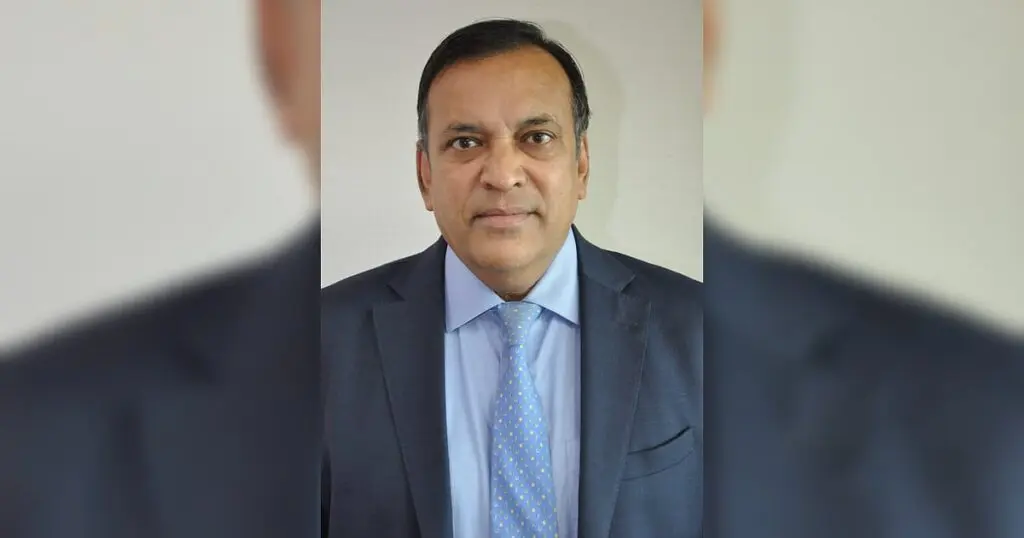
National Payments Corporation of India (NPCI) managing director and CEO Dilip Asbe has said that only about 10% of the total value of UPI transactions carries the risk of charges being passed…
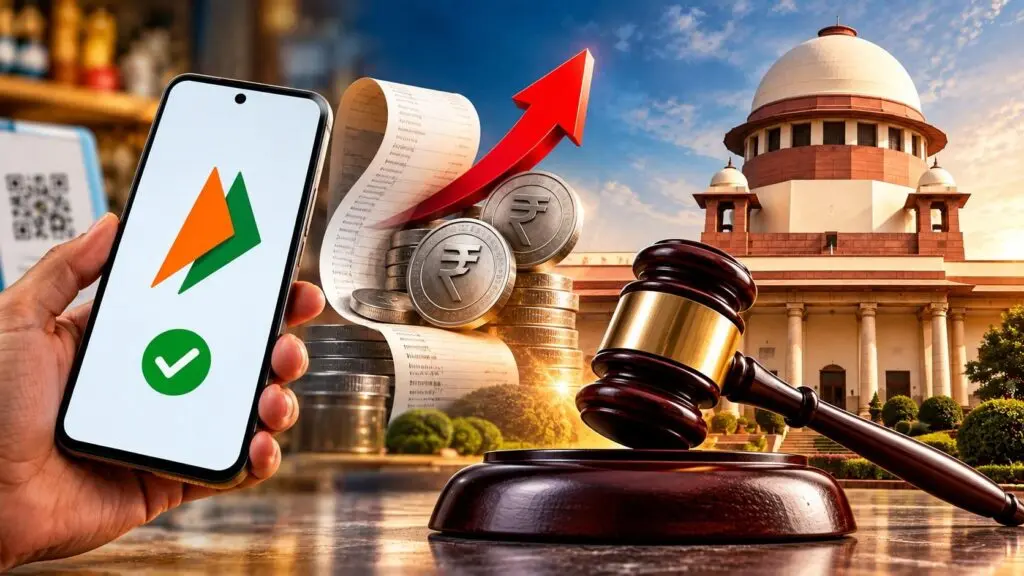
National Payments Corporation of India (NPCI) managing director and CEO Dilip Asbe has said that only about 10% of the total value of UPI transactions carries the risk of charges being passed on to consumers under the reintroduced merchant discount rate (MDR). He stated that large corporations with annual turnover above Rs 1,000 crore, which already accept credit cards, will absorb most of the MDR costs. Asbe was speaking at the SBI Banking and Economics Conclave on Thursday.
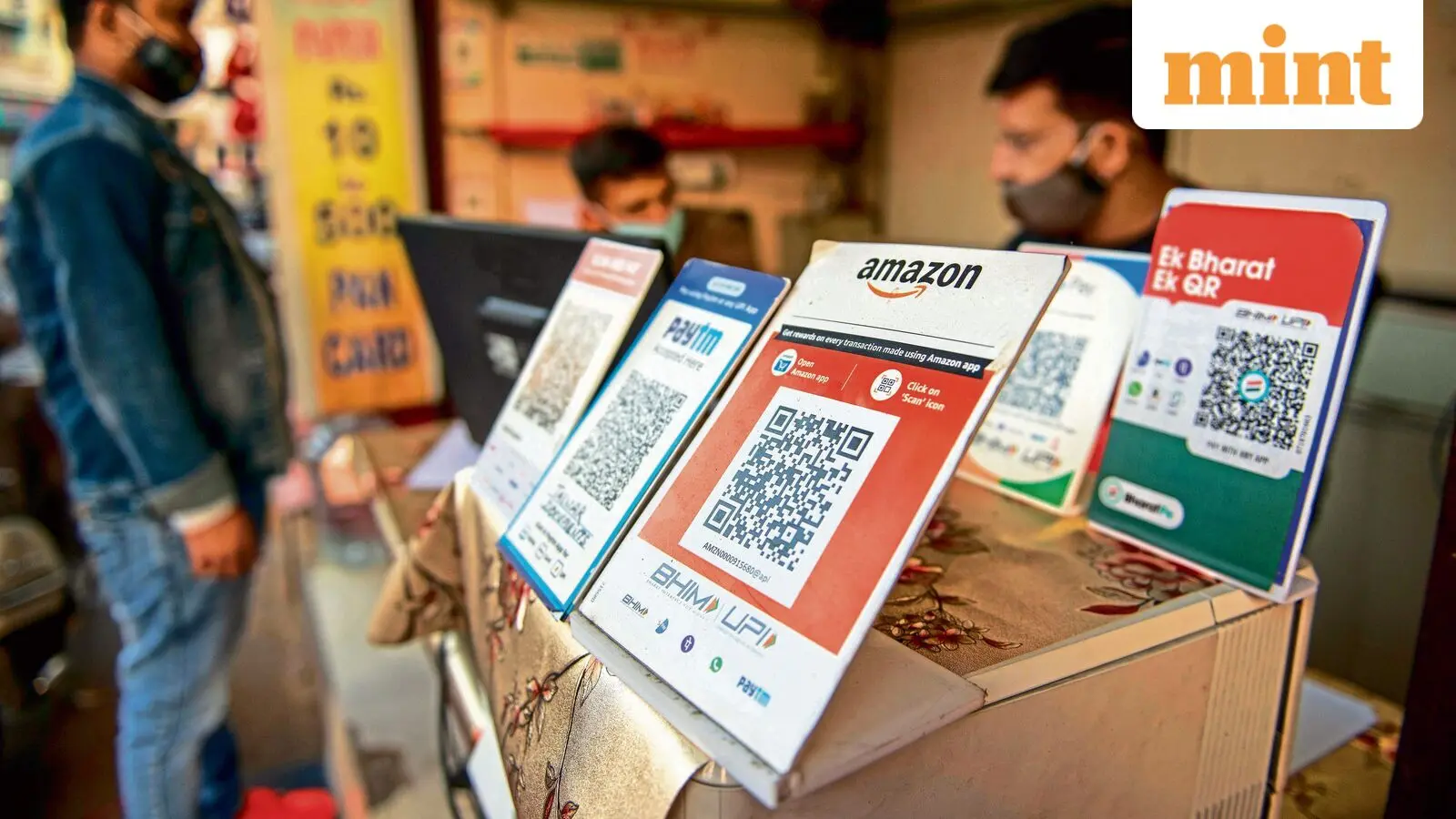
The MDR of 0.4% on person-to-merchant UPI transactions above Rs 2,000, capped at Rs 300 per transaction, was reintroduced by the finance ministry on 15 September after being removed in January 2020. Asbe said the charges are needed to fund technology, cybersecurity and infrastructure, noting that investment in the ecosystem had slowed. He estimated the annual cost of running UPI at Rs 20,000-21,000 crore for ecosystem players. NPCI expects about Rs 13,000-15,000 crore could be recovered in the first year.
Separately, a senior State Bank of India official said the MDR is expected to help the bank recover processing costs and could generate a small surplus. The official said the charge may prompt merchants to split large payments to avoid the fee, potentially increasing transaction volumes. Asbe added that 5% of MDR collection will go into a fund, potentially reaching Rs 3,000 crore over three years, to accelerate UPI acceptance among small merchants.
Indian Opinion Analysis
The coverage from NDTV Profit and Livemint is neutral straight reporting, focusing on NPCI's rationale and data. Rediff's two pieces are also neutral but structure the information for consumer clarity and SBI's perspective respectively. The key difference is emphasis: Livemint and NDTV Profit foreground Asbe's defence of the charges and the investment need, while Rediff's consumer-focused piece leads with the reassurance that only 10% of value is at risk. Across all sources, there is no critical or opposition voice, and no outlet challenges NPCI's data or framing. The SBI projection of a surplus for banks, not highlighted by NPCI, adds a dimension that the central bank and government may need to address if consumer groups raise concerns about banks profiting from a system sold as cost-recovery only. The next step is the 15 October implementation date.
The coverage from NDTV Profit and Livemint is neutral straight reporting, focusing on NPCI's rationale and data.
Coverage: 4 sources, 4 neutral
Sources (4): ndtvprofit.com (neutral report), livemint.com (neutral report), rediff.com (neutral report), rediff.com (2) (neutral report)
This brief was synthesised by AI from the 4 sources linked above, so one read covers every framing they carry.
Updated: this story now draws on 4 sources.