










Now Reading: NPCI CEO says only 10% of UPI value faces MDR pass-through risk
-
01
NPCI CEO says only 10% of UPI value faces MDR pass-through risk


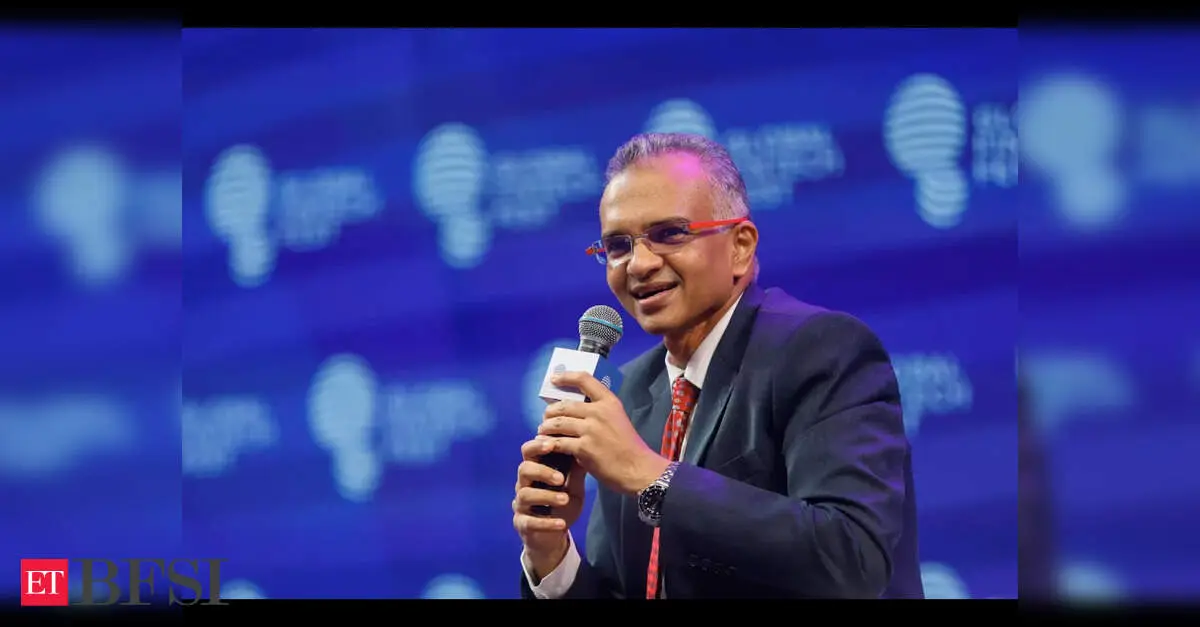
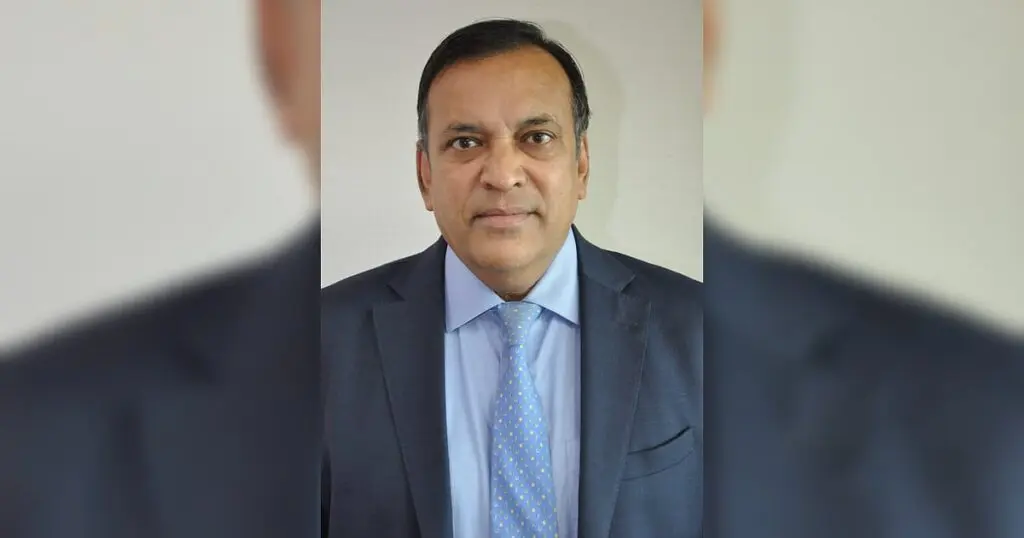
NPCI CEO Dilip Asbe has said only 10% of UPI transaction value comes from merchants that do not yet accept credit cards, the segment that may face consumer pass-through risk under the…
NPCI CEO Dilip Asbe has said only 10% of UPI transaction value comes from merchants that do not yet accept credit cards, the segment that may face consumer pass-through risk under the new merchant discount rate (MDR) framework that takes effect on October 15.
Speaking at the SBI Banking and Economic Conclave on Thursday, Asbe said 96% of UPI volume and 75% of UPI value will remain outside the new charges. The bulk of MDR revenue is expected from existing credit-card accepting merchants who already pay such charges. A 0.4% MDR will apply to person-to-merchant UPI transactions above Rs 2,000, capped at Rs 300 for transactions of Rs 75,000 and above.
Asbe said there was "huge miscommunication and misinformation" around the policy, and that NPCI is open to feedback and will review data before making changes. The government has directed banks not to pass charges on to customers.
Indian Opinion Analysis
Both outlets report NPCI CEO Asbe's assurances that the new UPI MDR will not materially impact volumes. bfsi.economictimes.indiatimes.com leads with Asbe's estimate that only 10% of UPI value faces pass-through risk to consumers, frames the policy as being driven by infrastructure reinvestment needs. livemint.com opens with the date of the MDR's introduction and provides a clearer breakdown of the charge categories. Neither outlet offers significant criticism or independent commentary. The balanced reading is that the coverage reflects an official framing, with no stated merchant or consumer pushback. The actual test will be whether volumes and value hold after October 15.
Coverage: 2 sources, 2 neutral
Sources (2): bfsi.economictimes.indiatimes.com (neutral report), livemint.com (neutral report)
This brief was synthesised by AI from the 2 sources linked above, so one read covers every framing they carry.
Updated: this story now draws on 2 sources.