






















Now Reading: Pakistan PM warns water is red line, India says treaty stance unchanged
-
01
Pakistan PM warns water is red line, India says treaty stance unchanged

Pakistan PM warns water is red line, India says treaty stance unchanged

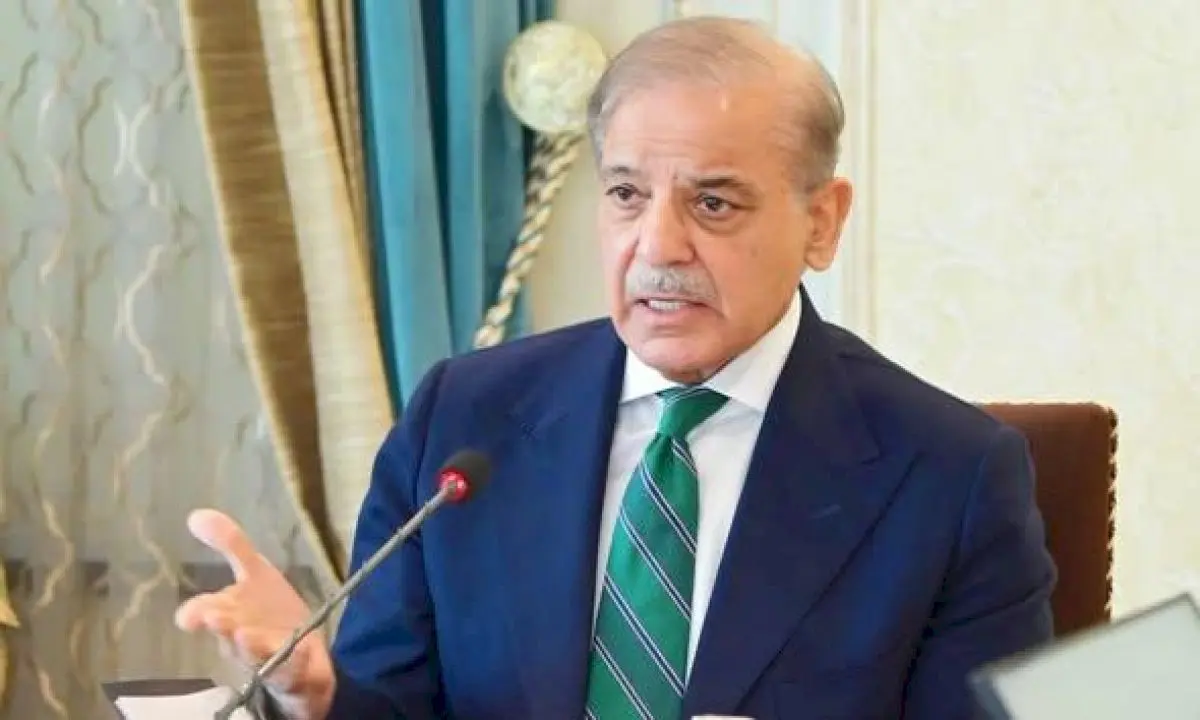
Pakistan Prime Minister Shehbaz Sharif has warned that any threat to his country's water supply will draw a response, calling every drop of water a 'red line'. His office said there would…
The Story in Brief
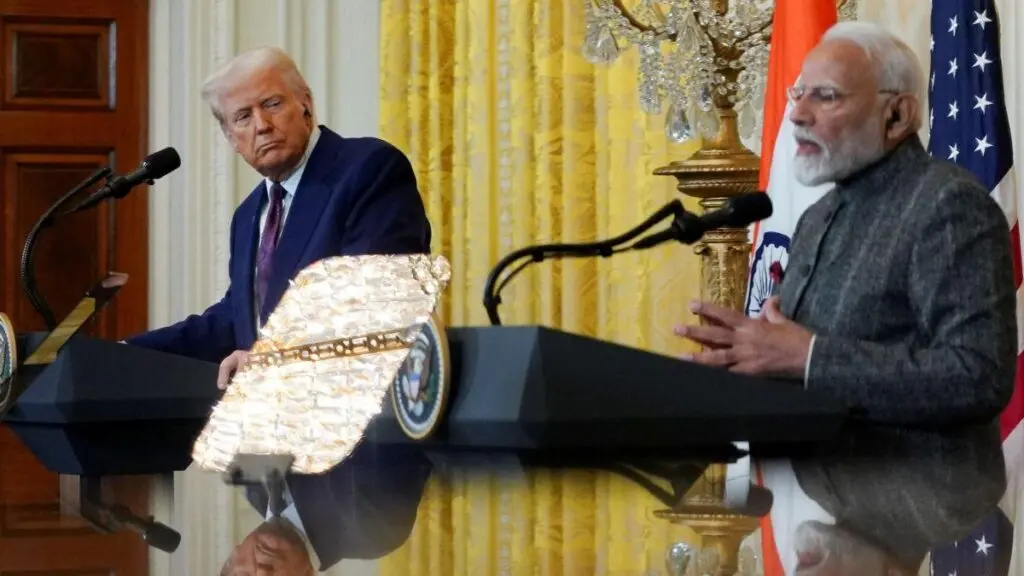
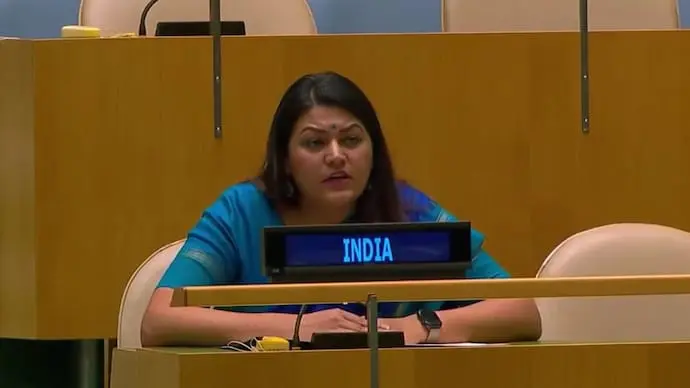
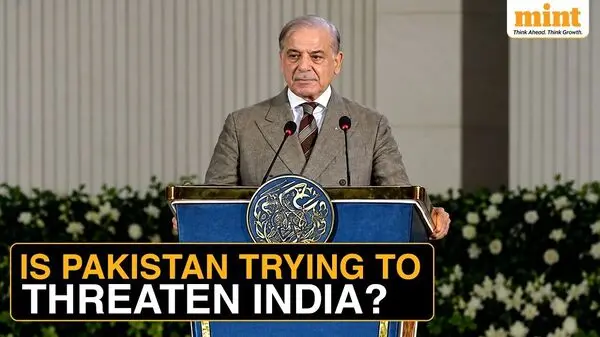
Pakistan Prime Minister Shehbaz Sharif has warned that any threat to his country's water supply will draw a response, calling every drop of water a 'red line'. His office said there would be 'no compromise' on the water issue and threatened a 'direct response' if India does not mend its ways. India's Ministry of External Affairs quickly responded, with spokesperson Randhir Jaiswal stating that India's position on the Indus Waters Treaty remains unchanged.
India suspended the treaty in April 2025 after the Pahalgam terror attack that killed 26 civilians. New Delhi said the circumstances under which the treaty was signed in 1960 have fundamentally changed, and it will remain in abeyance until Pakistan credibly ends support for cross-border terrorism. The two countries fought a brief conflict in May before a ceasefire was reached.
The Indian Opinion
Pakistan's 'red line' rhetoric and India's 'no change' reply are familiar sabre-rattling. Each side knows the other's calculation: India believes the treaty is leverage against cross-border terrorism, and Pakistan fears water scarcity. Neither benefits from actual conflict over the Indus waters. The real test will be whether Pakistan takes any concrete action, like raising the issue at the UN or the World Bank, or whether this remains a war of words. Will Islamabad act on its direct response threat?
Sources (2): thefederal.com, livemint.com
This story was synthesised by AI from the 2 sources linked above.
Updated: this story now draws on 2 sources.