









Now Reading: Palau and Redonda show islands recover fast after rats removed
-
01
Palau and Redonda show islands recover fast after rats removed



Removing invasive rats from two islands has triggered remarkably fast ecological recoveries, according to separate studies. On Palau’s Ulong Island, fish biomass jumped 183% and leaf nitrogen rose 80% within one year…
The Story in Brief
Removing invasive rats from two islands has triggered remarkably fast ecological recoveries, according to separate studies. On Palau’s Ulong Island, fish biomass jumped 183% and leaf nitrogen rose 80% within one year of rat eradication, as seabirds returned and carried nutrients from land to sea. On Redonda in the Caribbean, six thousand rats and all goats were removed by 2017. Vegetation cover increased more than 20-fold, the endemic ground lizard population rose eightfold, and plant species went from 17 to nearly 90. Both studies show measurable change within months to two years, far faster than scientists expected.
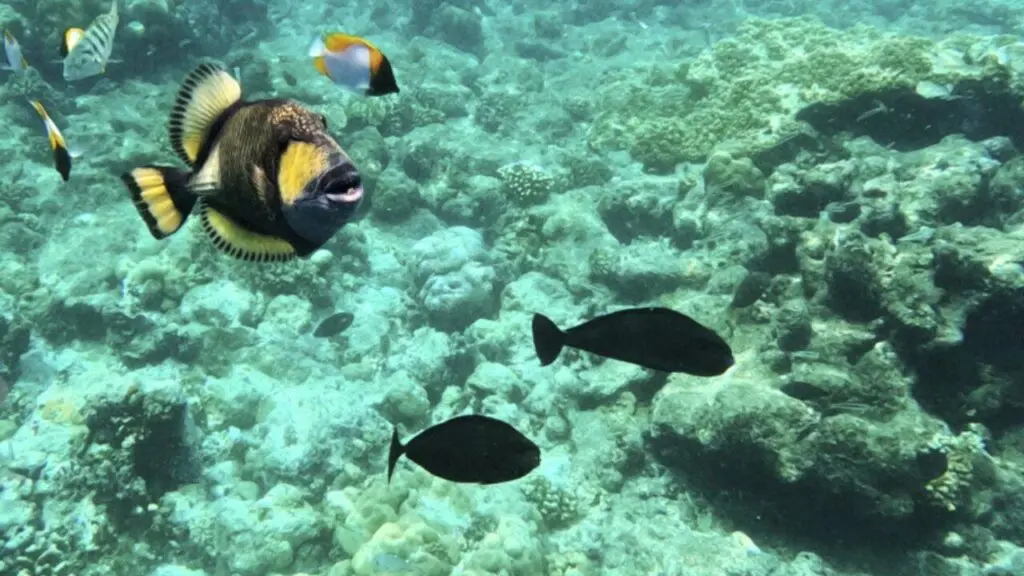
The Ulong project, led by Island Conservation and Scripps Institution, is the first experimental study to prove that removing rodents restores seabird-driven nutrient flow to reefs. Redonda’s recovery, led by Antigua and Barbuda’s Environmental Awareness Group, shows how goats and rats together had stripped a volcanic island bare. Conservationists did not replant trees; they simply removed the invaders and let nature rebuild itself.

The Indian Opinion
Two small islands, half a world apart, have delivered the same message: kill the rats and nature bounces back faster than anyone predicted. The narrative that ecosystem collapse is irreversible gets a clear rebuttal. Palau’s fish biomass jumped 183% in one year; Redonda’s lizards multiplied eightfold and vegetation grew 20-fold. These are not computer models but field measurements from before-and-after studies. The next test is whether these gains hold over a decade. If they do, every rat-infested island with seabirds has a moral and practical case for eradication.
Sources (2): timesofindia.indiatimes.com, timesofindia.indiatimes.com (2)
This story was synthesised by AI from the 2 sources linked above.
Updated: this story now draws on 2 sources.