























Now Reading: Washington Restores Estuaries and Builds Islands for Young Salmon
-
01
Washington Restores Estuaries and Builds Islands for Young Salmon

Washington Restores Estuaries and Builds Islands for Young Salmon


Two restoration projects in Washington state are testing ways to rebuild salmon habitat in altered rivers. At the Woodland Islands on the Lower Columbia River, engineers placed 225,000 cubic yards of dredged…
The Story in Brief
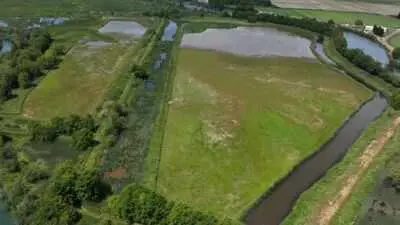
Two restoration projects in Washington state are testing ways to rebuild salmon habitat in altered rivers. At the Woodland Islands on the Lower Columbia River, engineers placed 225,000 cubic yards of dredged sediment in 2020, creating about seven acres of land, four islands and a protected side channel. Scientists are tracking fish, plants and changing shorelines to measure the results.

On the South Fork Skagit River, construction began in June 2026 on a 270-acre project due for completion in fall 2028. Crews will remove dikes, levees and tide gates and reopen channels to tidal flows. The work aims to restore nursery habitat for threatened Puget Sound Chinook and support other wildlife, while retaining some access for boating and waterfowl hunting.
The Indian Opinion
The easy story is that dredging can become restoration, or that removing farm barriers automatically saves salmon. Neither is proved yet. The Columbia project still needs long-term comparisons with natural habitat, while the Skagit work will take two more years to complete. The useful test is whether juvenile salmon use these sites more successfully and whether that gain lasts after currents reshape the islands. Fish counts, survival rates and habitat measurements will settle the claim better than publicity.
Sources (2): timesofindia.indiatimes.com, timesofindia.indiatimes.com (2)
This story was synthesised by AI from the 2 sources linked above.
Updated: this story now draws on 2 sources.