














Now Reading: Patna High Court: Work order can’t be cancelled without hearing successful bidder
-
01
Patna High Court: Work order can’t be cancelled without hearing successful bidder

Patna High Court: Work order can’t be cancelled without hearing successful bidder

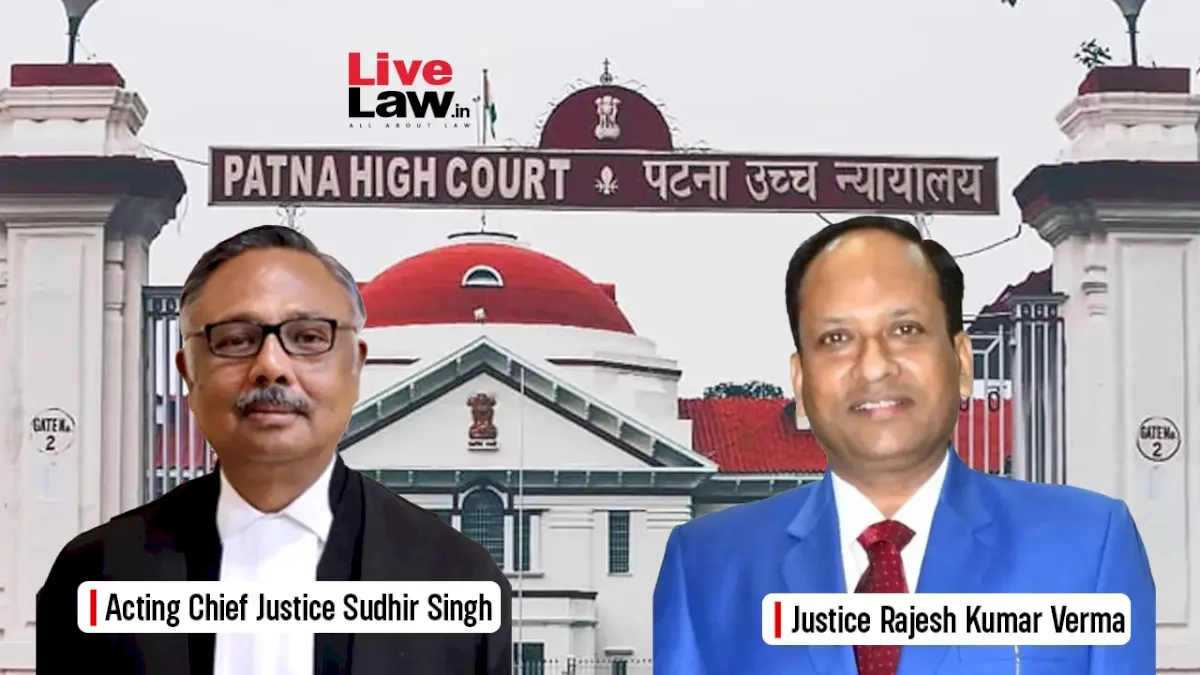
The Patna High Court has ruled that once a tender results in a concluded contract through the issuance of a Letter of Acceptance, work order and signed agreement, the successful bidder cannot…
The Story in Brief
The Patna High Court has ruled that once a tender results in a concluded contract through the issuance of a Letter of Acceptance, work order and signed agreement, the successful bidder cannot be stripped of those rights without a hearing. A Division Bench of Acting Chief Justice Sudhir Singh and Justice Rajesh Kumar Verma set aside an order by the Rural Works Department appellate authority that cancelled a work order and ordered re-tendering without hearing the petitioner.

The case involved a bridge construction tender under the Mukhyamantri Gramin Setu Yojana. The petitioner, Shivmay Construction Equipments, was the lowest bidder. After it received the work order and began work, a disqualified bidder challenged his blacklisting. The appellate authority not only reversed the blacklisting but also cancelled the petitioner's contract and directed a fresh tender. The court held this violated natural justice because the petitioner had acquired contractual rights. It remitted the matter for a fresh hearing.
The Indian Opinion
Government departments often treat tenders as revocable at whim, even after a contract is signed. That lazy assumption has now been checked by the Patna High Court. The ruling simply enforces the audi alteram partem rule, a basic right to be heard before adverse orders. But the deeper issue is whether this will reduce arbitrary cancellations or merely add another layer of litigation. Watch whether the appellate authority now gives the contractor a fair hearing or finds another way to delay the bridge.
Source: livelaw.in
This story was synthesised by AI from the source linked above.