












Now Reading: PoK protesters call for civil disobedience, tax boycott from Aug 14
-
01
PoK protesters call for civil disobedience, tax boycott from Aug 14

PoK protesters call for civil disobedience, tax boycott from Aug 14

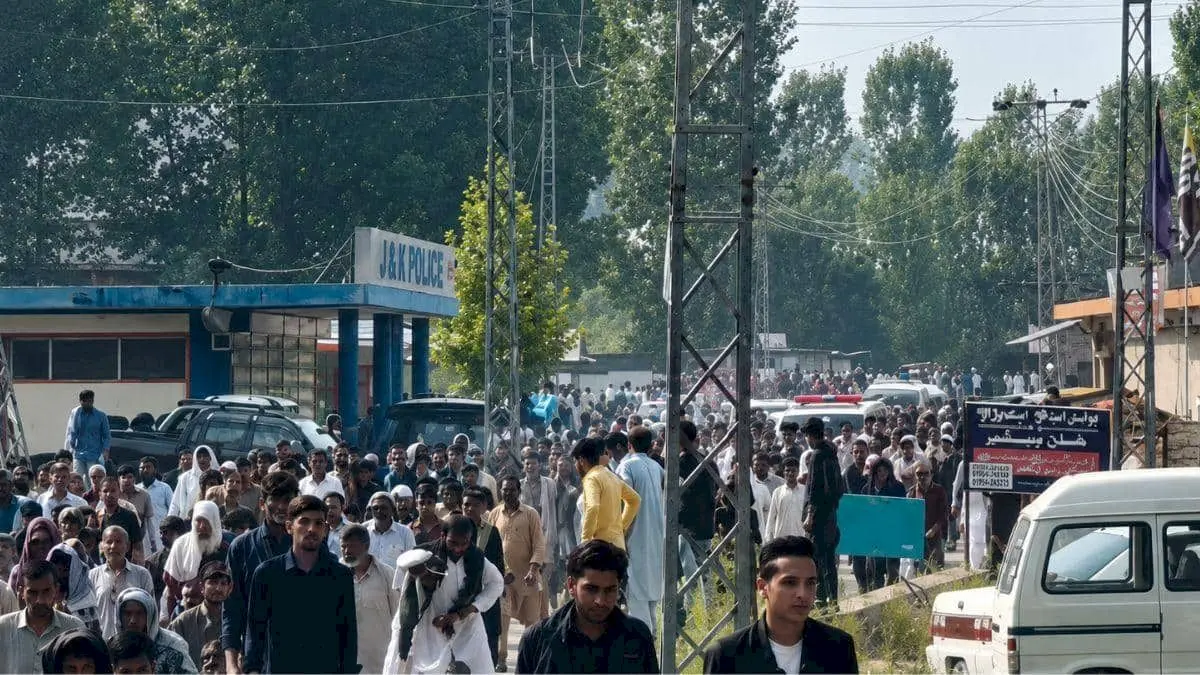
Protesters in Pakistan-occupied Kashmir (PoK) announced a civil disobedience campaign starting August 14, Pakistan's Independence Day. The Awami Action Committee (AAC) said residents will refuse to pay electricity, water, and gas bills…
The Story in Brief
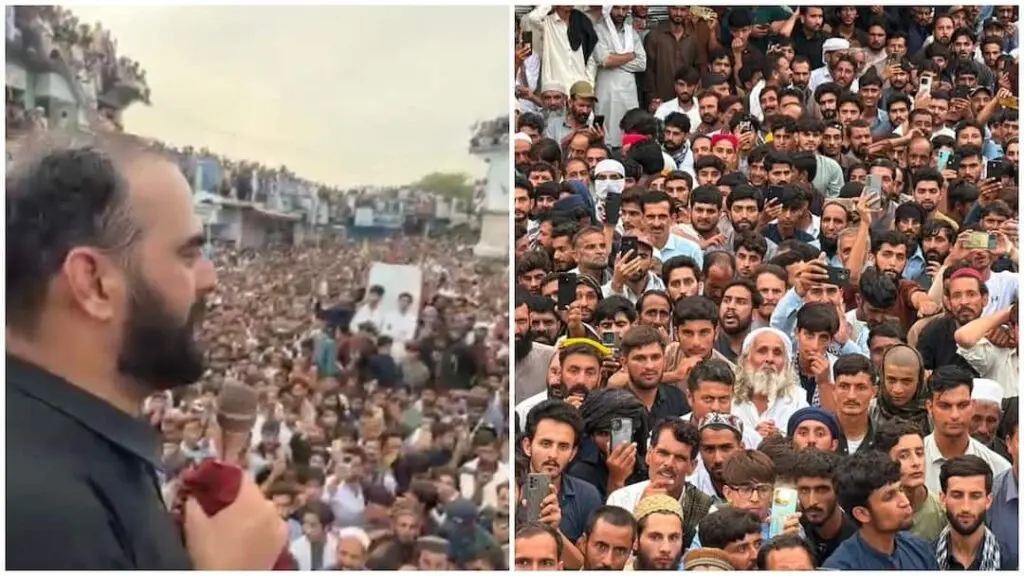
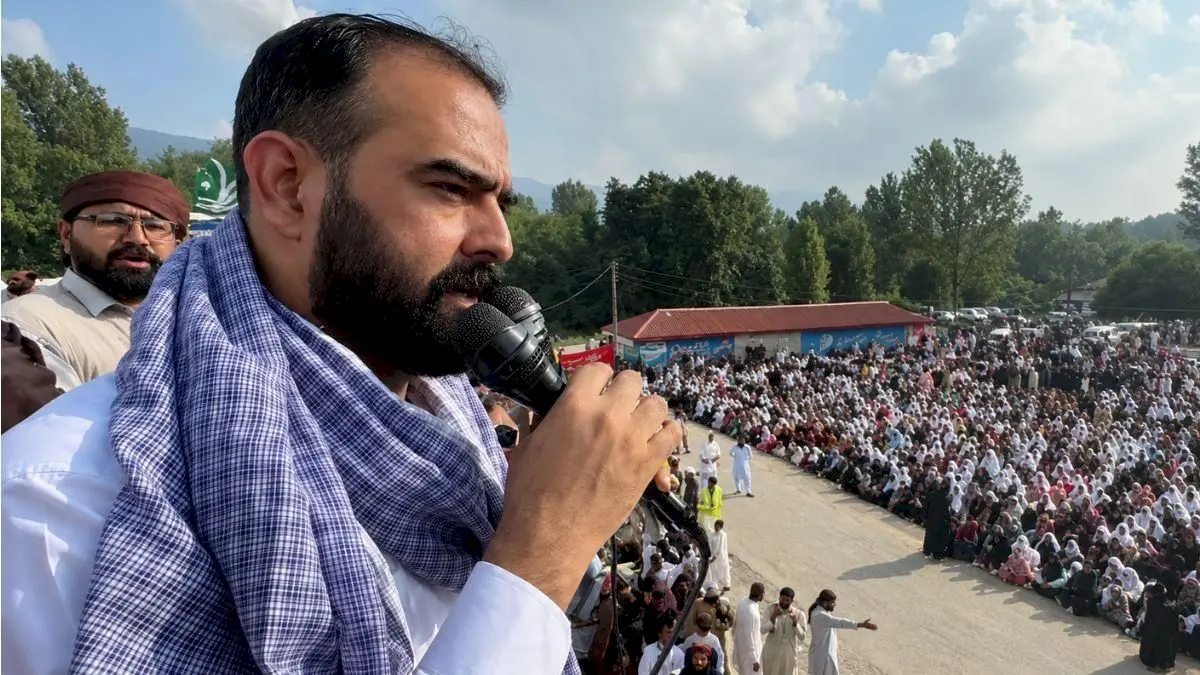
Protesters in Pakistan-occupied Kashmir (PoK) announced a civil disobedience campaign starting August 14, Pakistan's Independence Day. The Awami Action Committee (AAC) said residents will refuse to pay electricity, water, and gas bills and boycott all income tax payments. The move came as demonstrations against the Pakistan government entered their 66th day, with mass rallies in Rawalakot and Mandhol. Imtiaz Aslam of the AAC appealed to the public and business community to halt tax payments in protest against alleged violence by Pakistani security forces.
The AAC also called for UN intervention, citing the 1948 UN resolution and alleging Pakistan failed to conduct a plebiscite and fulfill administrative responsibilities. At a Rawalakot rally, AAC core member Sardar Umar Nazir said PoK lacks a single modern hospital despite spanning 4,000 square miles, contrasting it with six super-speciality institutions in India's Jammu and Kashmir. Protesters had shifted their sit-in from Chinar Chowk and D-Chowk back to the Eidgah ground to accommodate over 90,000 people, according to news.abplive.com.
The Indian Opinion
The civil disobedience call is a serious escalation, but the AAC's plea for UN intervention is a familiar echo, not a new gambit. The 1948 resolution and plebiscite demand have been standard rhetoric for decades. Comparing PoK's lack of hospitals to J&K's six super-speciality institutions is effective, yet selective. The test now is whether the tax boycott holds beyond August 14. If PoK residents, facing military force, sustain it for a month, the protest's strength is genuine. If it fizzles, it was a symbolic gesture. Watch the utility payment arrears, not the speeches.
Source: news.abplive.com
This story was synthesised by AI from the source linked above.