









Now Reading: Premium paddy prices surge ₹1,000 above MSP on El Nino impact
-
01
Premium paddy prices surge ₹1,000 above MSP on El Nino impact


The Story in Brief
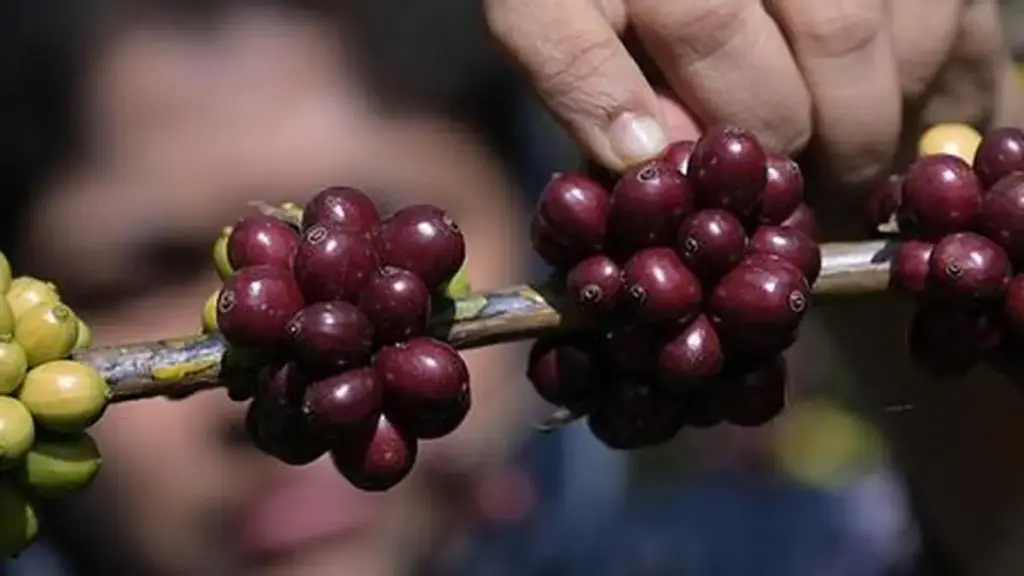
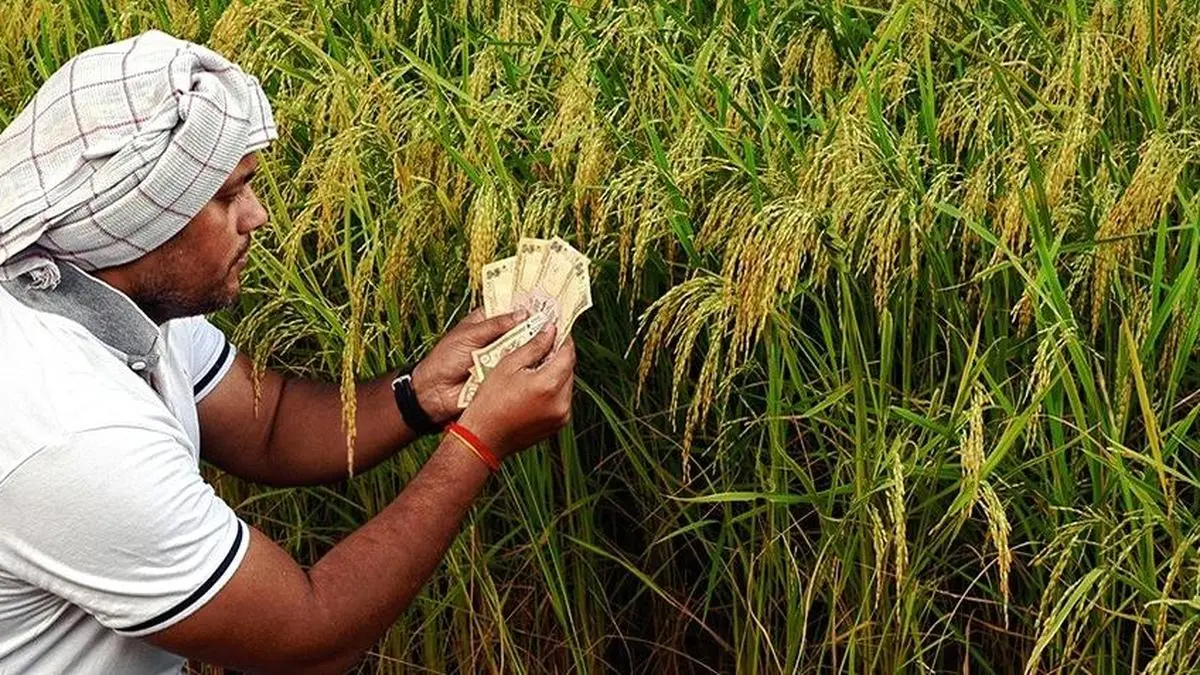
Indian farmers growing premium paddy varieties are fetching at least ₹1,000 a quintal more than the minimum support price (MSP) of ₹2,461 fixed by the government for Grade A paddy in 2026, according to trade analysts and exporters. Prices for varieties such as BPT have reached ₹3,600 to 4,500 per quintal in Andhra Pradesh APMC yards, while in Karnataka prices have gone as high as ₹5,200 per quintal. The price surge is attributed to deficient monsoon rains caused by El Nino weather, which has affected production in South India, particularly in Karnataka, parts of Andhra Pradesh and Telangana.
Consumers may have to pay more for preferred varieties like Sona Masuri and Kolam over the next few months, as production has dropped. India's kharif rice production is feared to be at least 10 million tonnes lower than the 123.93 million tonnes produced in 2025, and paddy coverage has fallen by at least four per cent to 426.81 lakh hectares in 2026. The shortage in Karnataka is also driving up prices of substitute varieties in Uttar Pradesh and Bihar. Exporters report that millers' price quotes are now valid for less than a day, with some valid for only six hours, as rates change hourly.
Indian Opinion Analysis
The price premium above MSP shows that climate-driven supply shocks are bypassing government price support mechanisms and directly benefiting farmers, but the gain is temporary and concentrated in premium varieties. Consumers will feel the pinch over the next few months as the kharif arrivals peak, and exporters face a volatile market where quotes expire within hours. The government must weigh market intervention against the risk of disrupting this rare farm-income windfall. The actual kharif rice harvest numbers, due within weeks, will determine whether prices soften or climb further.
Source: thehindubusinessline.com
This brief was synthesised by AI from the source linked above. Methodology and corrections.