











Now Reading: Raghuram Rajan proposes tax on AI tokens to protect jobs
-
01
Raghuram Rajan proposes tax on AI tokens to protect jobs


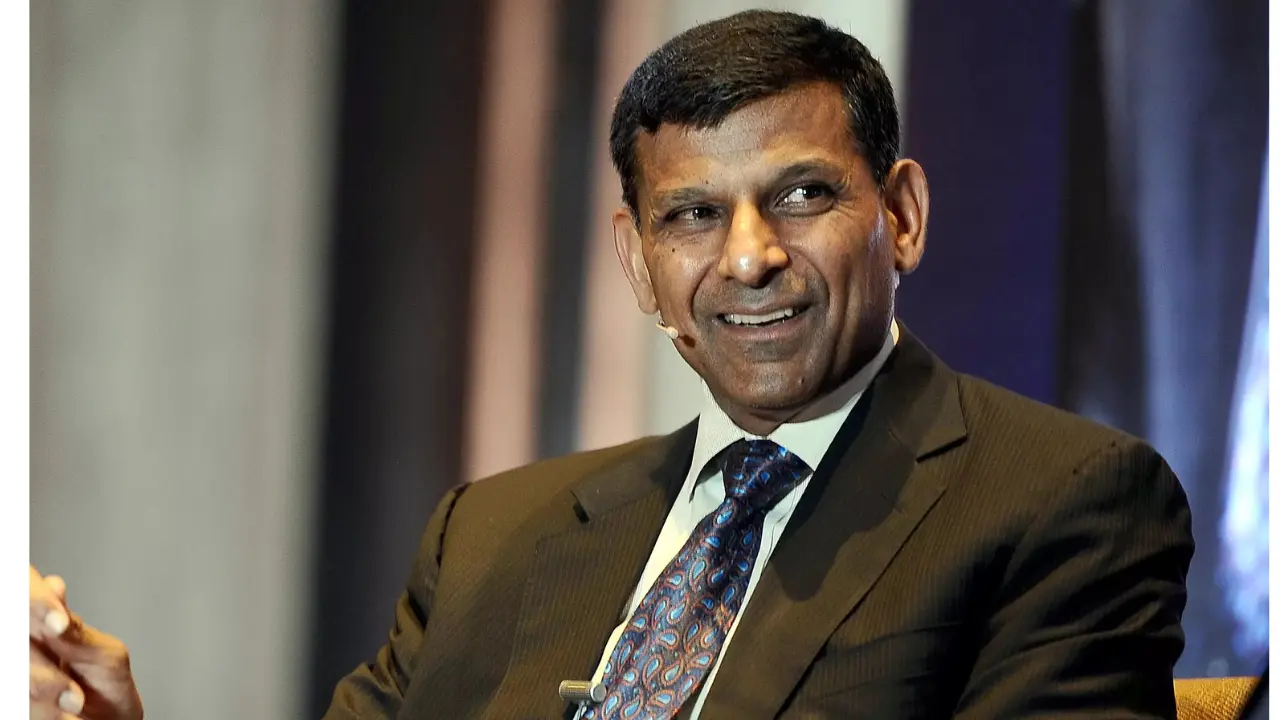
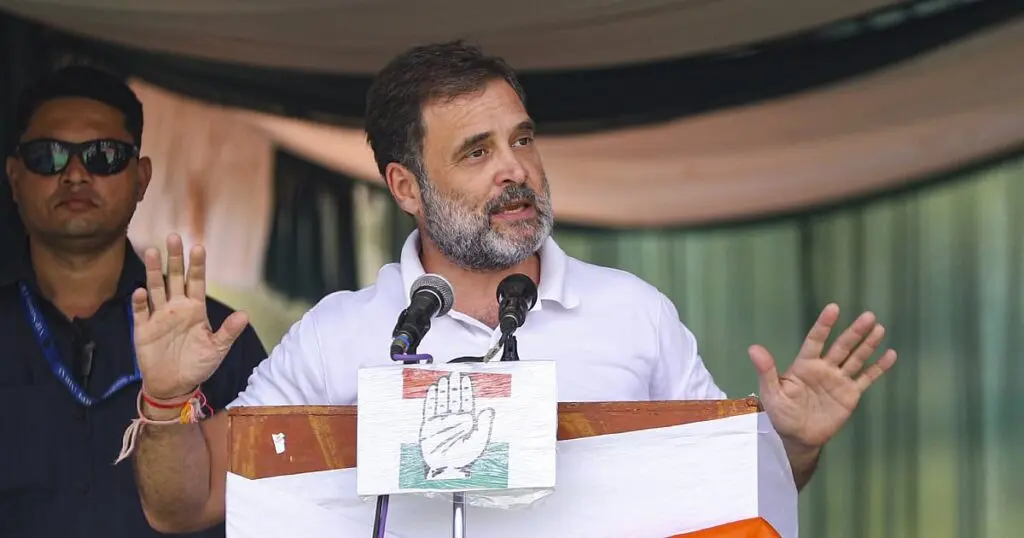
Former RBI governor Raghuram Rajan has proposed a tax on the AI tokens companies use, alongside retraining tax credits, to address potential job losses from artificial intelligence adoption. Writing in Project Syndicate on August 14, Rajan said the US tax system's social-security contributions for human workers, but not for AI, make automation artificially more attractive. He suggested a low initial tax rate that could rise gradually as policymakers gather data, and said foreign AI providers must be brought into the framework.
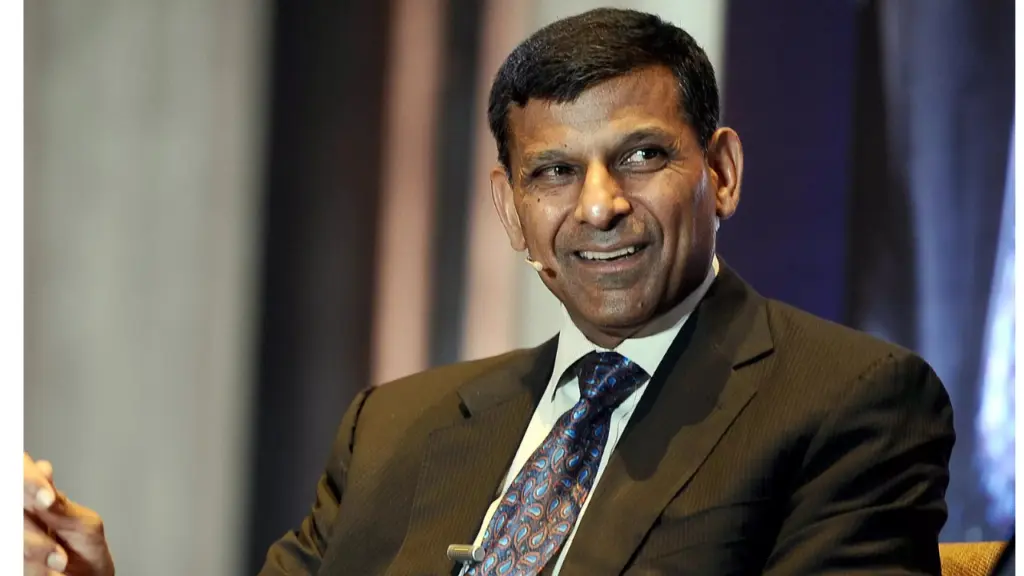
Rajan cited US Census Bureau data from 2025-2026 showing only 17-20% of businesses use AI, though the rate is 37% for firms with 250-plus employees. He noted competitive pressures may accelerate adoption but also said AI could create new roles, lower business startup costs, and boost productivity. No government has adopted or announced such a plan, which remains a broad academic proposal.
Indian Opinion Analysis
All three sources report Rajan's proposal without adopting a stance, making this neutral uniform coverage. The core framing difference is negligible: Times Now leads with the tax proposal, Livemint with the inevitability of job displacement and economic offsets, Business Today with the structural distortion. No source challenges Rajan's assumptions or cites opposing economists. A careful reader should note that the data Rajan cites (17-20% adoption) predates fast-moving industry changes. The practical watchpoint: whether any government introduces an AI token tax, which remains a purely academic proposal with no legislative backer.
Coverage: 3 sources, 3 neutral
Sources (3): timesnownews.com (neutral report), livemint.com (neutral report), businesstoday.in (neutral report)
This story was synthesised by AI from the 3 sources linked above. Methodology and corrections.
Updated: this story now draws on 3 sources.