










Now Reading: Parties court Ravidassia community ahead of 2027 Punjab polls
-
01
Parties court Ravidassia community ahead of 2027 Punjab polls


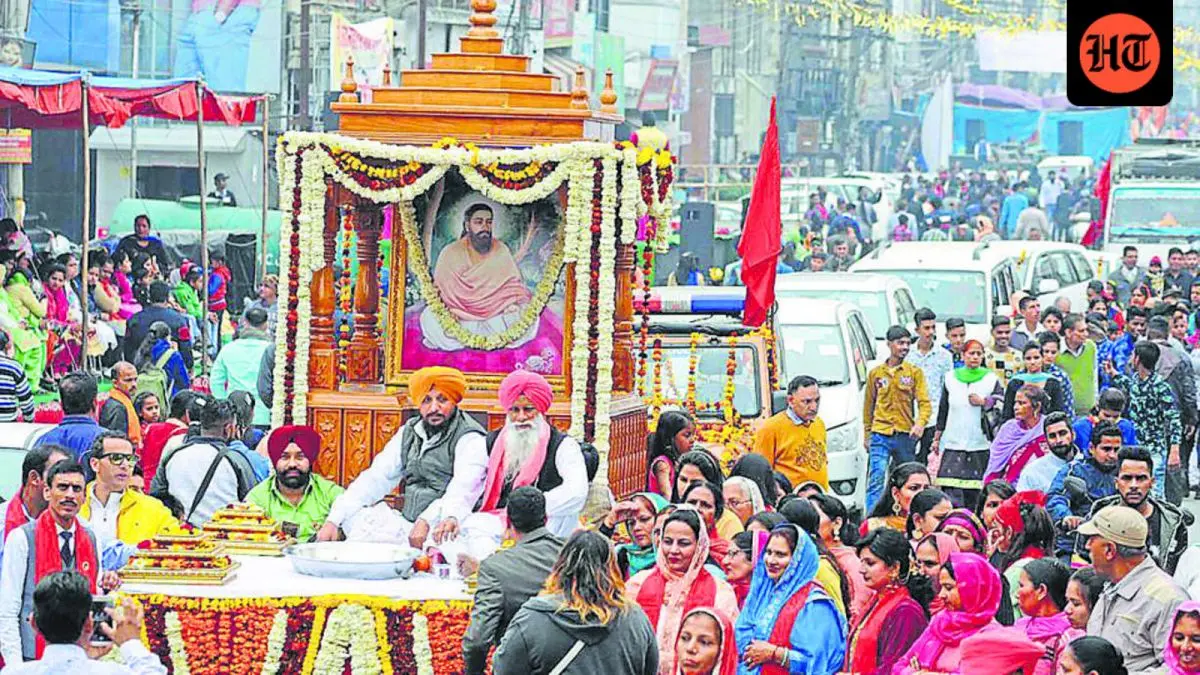
Both the Aam Aadmi Party and the Bharatiya Janata Party have begun outreach to Punjab's Ravidassia community, which counts about 12 lakh people, mostly in the Doaba region. The effort coincides with…
The Story in Brief
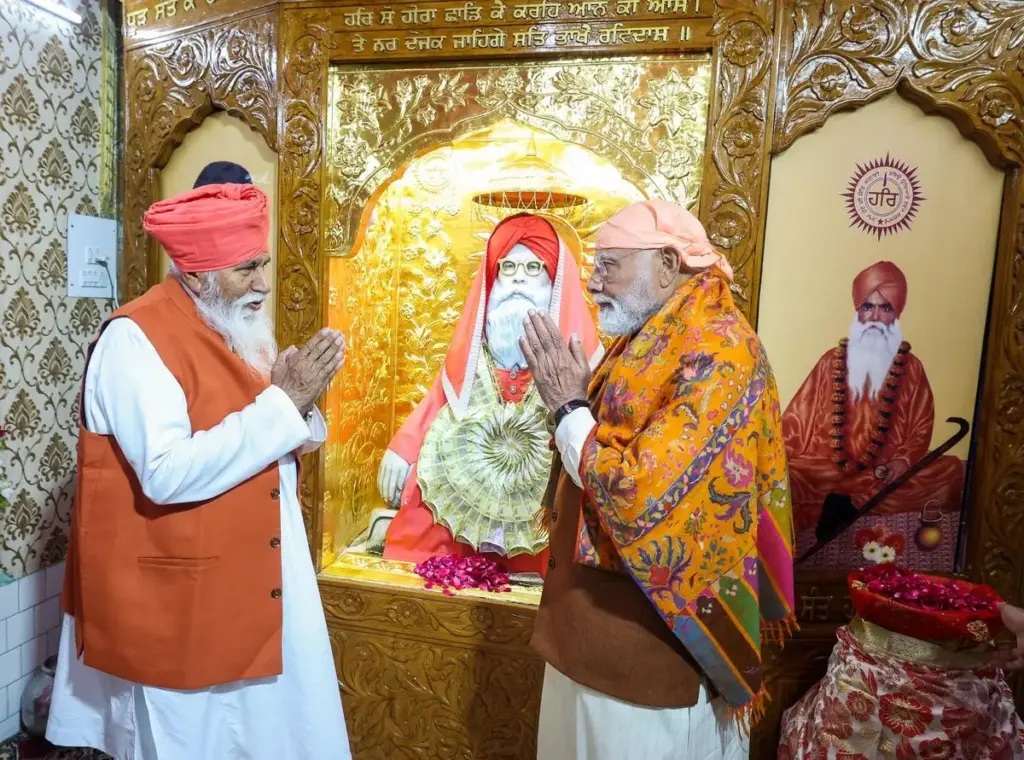
Both the Aam Aadmi Party and the Bharatiya Janata Party have begun outreach to Punjab's Ravidassia community, which counts about 12 lakh people, mostly in the Doaba region. The effort coincides with the 650th birth anniversary of Guru Ravidass in February 2027 and the state assembly election due around the same time. The community traces its roots to the early 20th-century Ad Dharm movement, which sought a separate religious identity for Scheduled Castes in Punjab. AAP has planned religious congregations and pilgrimages; BJP is also organising public connect programmes. Scheduled Castes make up about 32 per cent of Punjab's population, the highest among Indian states.
The Indian Opinion
The sudden rush to woo the Ravidassia community before 2027 is easy to dismiss as pure election arithmetic. That misses the point. The Ad Dharm movement was a genuine struggle for dignity, not just vote-bank politics. AAP and BJP are now competing over a community that has historically asserted its separateness from both Hindus and Sikhs. The real test will be whether the Ravidassia vote consolidates behind one party or fragments, as it did in previous elections. No amount of kirtan darbars will substitute for concrete policy on reservations and land rights.
Sources (2): hindustantimes.com, frontline.thehindu.com
This story was synthesised by AI from the 2 sources linked above.
Updated: this story now draws on 2 sources.