

















Now Reading: RBI’s 2026 rules ban lender harassment of borrowers from January 2027
-
01
RBI’s 2026 rules ban lender harassment of borrowers from January 2027


The Story in Brief
The Reserve Bank of India has issued updated guidelines, effective from January 1, 2027, that spell out detailed processes and safeguards lenders must follow during debt recovery, prohibiting coercion tactics such as threats to disable financed devices. The rules, under the Conduct of Regulated Entities in Recovery of Loans and Engagement of Recovery Agents, cover recovery policies, agent verification and training, call records, agency disclosures, and grievance handling.
The latest guidelines follow decades of regulatory efforts dating back to 2003, including RBI's 2006 outsourcing guidelines and a 2008 circular on engagement of recovery agents, which failed to stop reported cases of intimidation. One case cited involves a West Bengal schoolteacher who was threatened that her phone would be disabled after she missed two instalments on a Rs 36,000 smartphone loan due to a family medical expense.
The 2026 rules explicitly restrict lenders from coercive measures on financed equipment. Borrowers who face harassment can approach their lender for resolution, as the RBI guidelines now provide clearer protections and redress mechanisms.
Indian Opinion Analysis
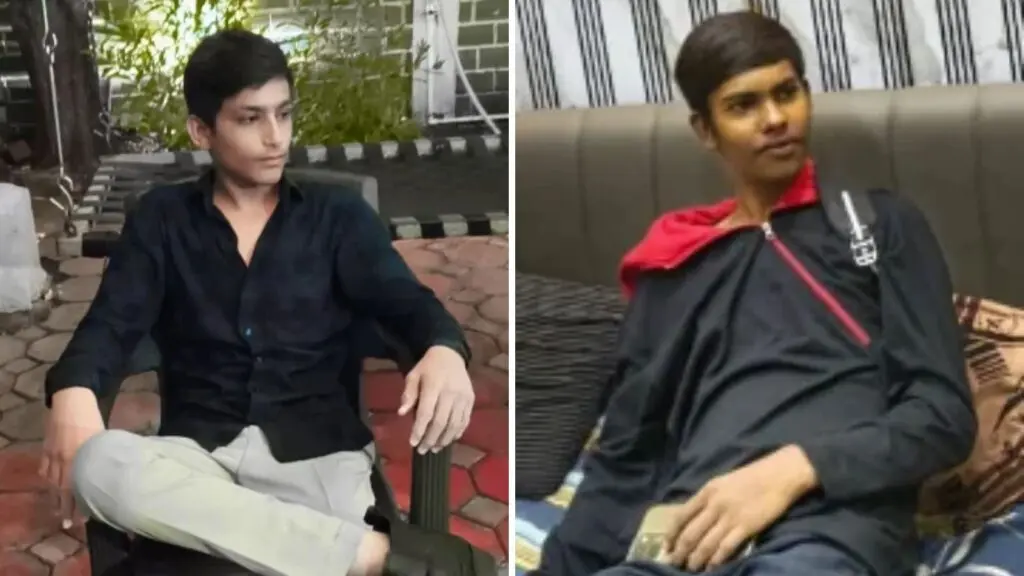
The 2026 guidelines shift from broad principles to specific, enforceable procedures for lenders, including agent verification, call recording and grievance handling. While earlier circulars failed to curb harassment because they lacked teeth, the latest rules impose clear operational duties on regulated entities. The case studies of Nandini and Rajesh illustrate that borrowers often do not know their rights under existing regulations, and the 2026 rules aim to close that information gap. The January 1, 2027 deadline gives lenders a narrow window to revise their recovery policies and train agents, making compliance the immediate test.
Source: outlookmoney.com
This brief was synthesised by AI from the source linked above. Methodology and corrections.