




Now Reading: Road to Chamba: A journey into timeless Himalayan life
-
01
Road to Chamba: A journey into timeless Himalayan life


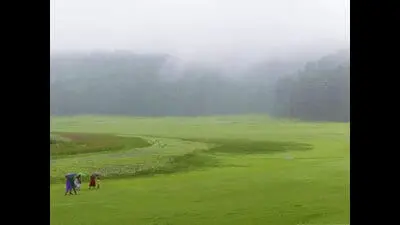
The mountain road to Chamba in Himachal Pradesh offers a journey where city rhythms yield to a slower, rooted pace of life. Morning light reveals villagers starting their day with quiet purpose, elderly men walking with wooden sticks and exchanging greetings over tea. School buses carry children in neat uniforms as their laughter echoes across the valley.
The region preserves an understated elegance: traditional attire, modest homes, and a culture that values dignity over display. Temple bells, local artisans, and Chamba embroidery reflect generations of skill and devotion. An elderly farmer sorting seeds for the next season explained, "These seeds carry our memories."
The rivers and mountains of Chamba teach lessons in quiet service, kindness toward strangers, respect for nature, and harmony with life. A traveller leaves carrying the stillness of the peaks and the reminder that the richest lives often need the least to feel complete.
Indian Opinion Analysis
Chamba, the oldest princely state in Himachal Pradesh, was never fully absorbed into British India but was a subsidiary alliance until independence. The town sits at an altitude of around 996 meters and served as the winter capital of the Dogra rulers of Jammu. The Himachal Pradesh Tourism Development Corporation runs the regional circuit, but road connectivity from Pathankot and Dalhousie remains the primary seasonal access. For many Indian travellers accustomed to hill-station tourism, Chamba represents a quieter alternative: the absence of mainstream commercial infrastructure means visitor numbers remain a fraction of those in Shimla or Manali. The next peak travel season for this route will be the summer months of May and June when the Haripu Temple fair draws local and regional pilgrims.
Source: hindustantimes.com
This brief was synthesised by AI from the source linked above. Methodology and corrections.