








Now Reading: Sambhajinagar teen deaths put spotlight on smartphone EMI culture
-
01
Sambhajinagar teen deaths put spotlight on smartphone EMI culture


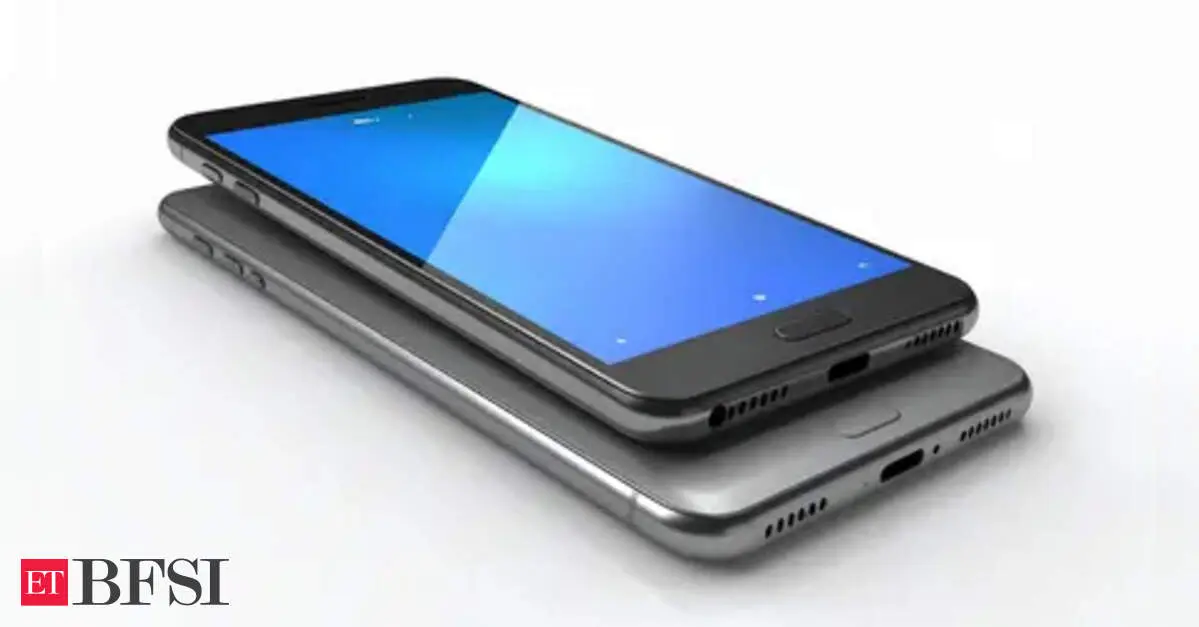
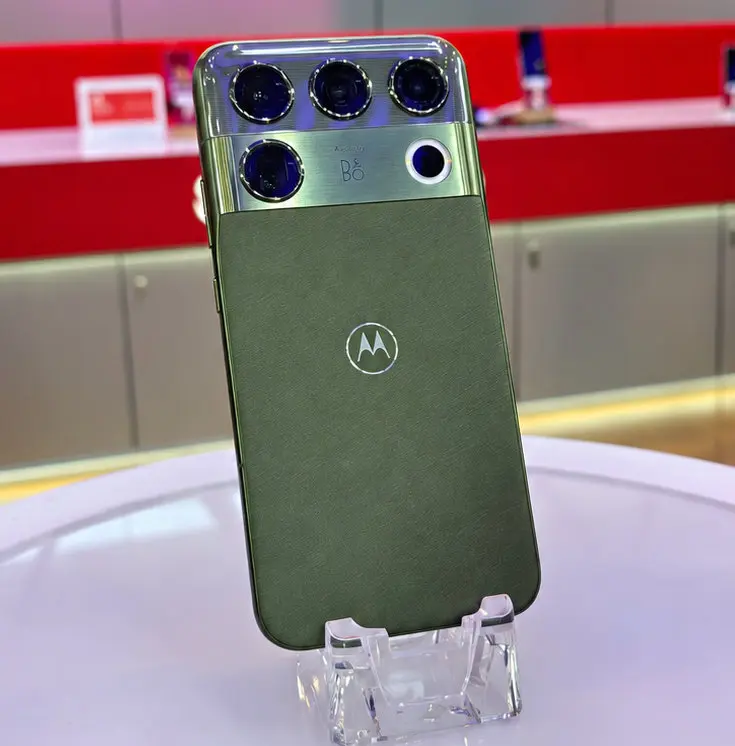
The death of an 18-year-old boy and his parents in Maharashtra's Chhatrapati Sambhajinagar, following a dispute reportedly linked to an iPhone EMI, has drawn attention to India's growing consumer-finance culture. The teenager had bought an iPhone and sought money from his family to meet instalments before the confrontation.
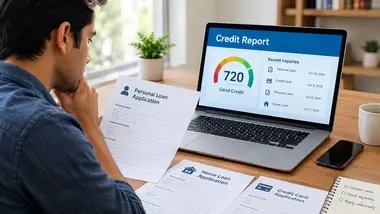
bfsi.economictimes.indiatimes.com reports that smartphones and home appliances were the biggest reasons for consumer borrowing in 2025, with over a third of consumer electronics bought through small-ticket loans. The Reserve Bank of India has allowed lenders to gradually restrict functions of financed devices if borrowers default, but essential functions cannot be shut down, and restrictions must be removed once payment is made.
ndtv.com, in a shorter report, focuses on the ease of access: young buyers walk into stores with basic ID and leave with a device costing more than their family's monthly income. Neither source says the EMI directly caused the deaths, but both highlight cumulative repayment pressure on borrowers, especially younger ones entering the credit system.
Indian Opinion Analysis
bfsi.economictimes.indiatimes.com frames the tragedy as a trigger for examining systemic credit risk, regulatory balance, and borrower literacy. It details RBI rules and underwriting concerns, treating the event as context for a broader financial trend. ndtv.com, with a single dramatic sentence, sensationalises the story by emphasising how easily buyers can take on debt exceeding family income, omitting the regulatory nuance and market data. A measured reading: the deaths are tragic but anecdotal, the real issue is the rapid growth of unsecured consumer credit and whether underwriting and disclosure practices keep pace. Watch for RBI's next consumer credit data release and any tightening of no-cost EMI rules.
Coverage: 2 sources, 1 neutral, 1 sensationalist
Sources (2): bfsi.economictimes.indiatimes.com (neutral report), ndtv.com (sensationalist)
This story was synthesised by AI from the 2 sources linked above. Methodology and corrections.
Updated: this story now draws on 2 sources.