


















Now Reading: Saoji Mutton: Nagpur’s fiery curry born from migration
-
01
Saoji Mutton: Nagpur’s fiery curry born from migration


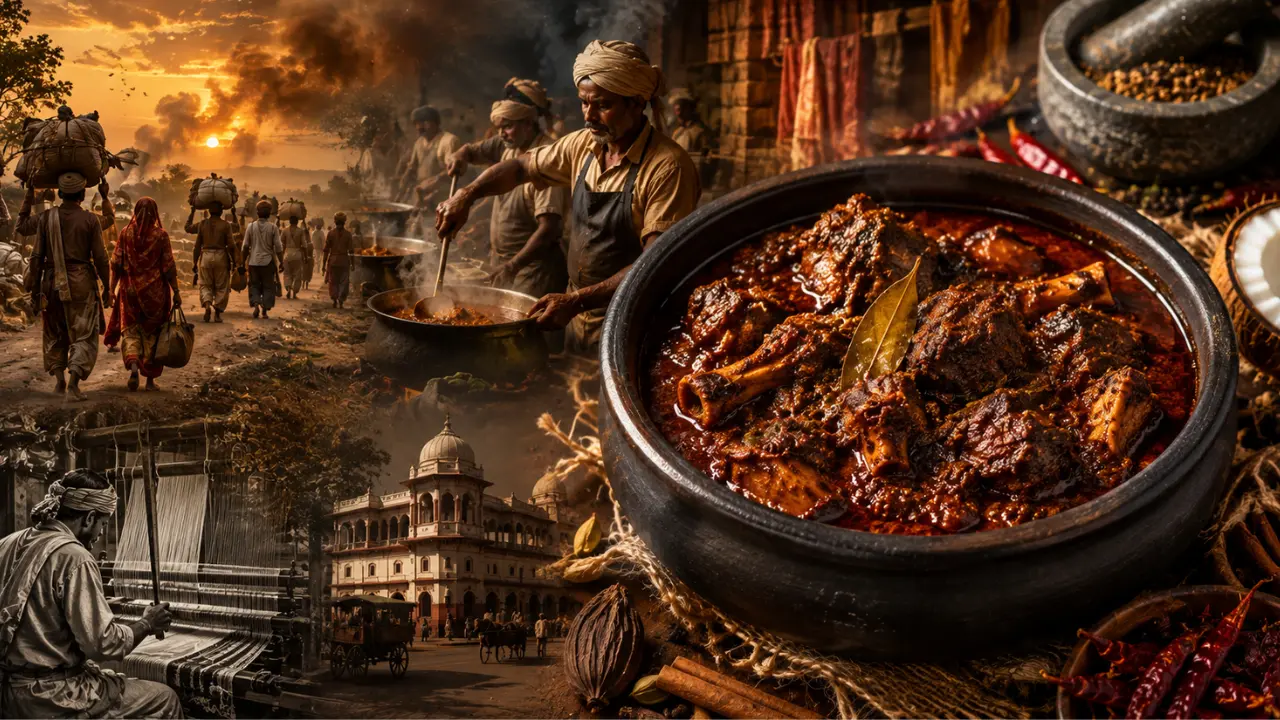
Saoji mutton, a fiery, dark and aromatic curry from Nagpur, traces its origins to the Halba Koshti and Savji weaving communities who migrated from Madhya Pradesh in the 19th century. When textile mills closed and traditional livelihoods vanished, these communities turned to cooking for survival, opening small roadside eateries or bhojanalayas that served their home-style mutton dishes.
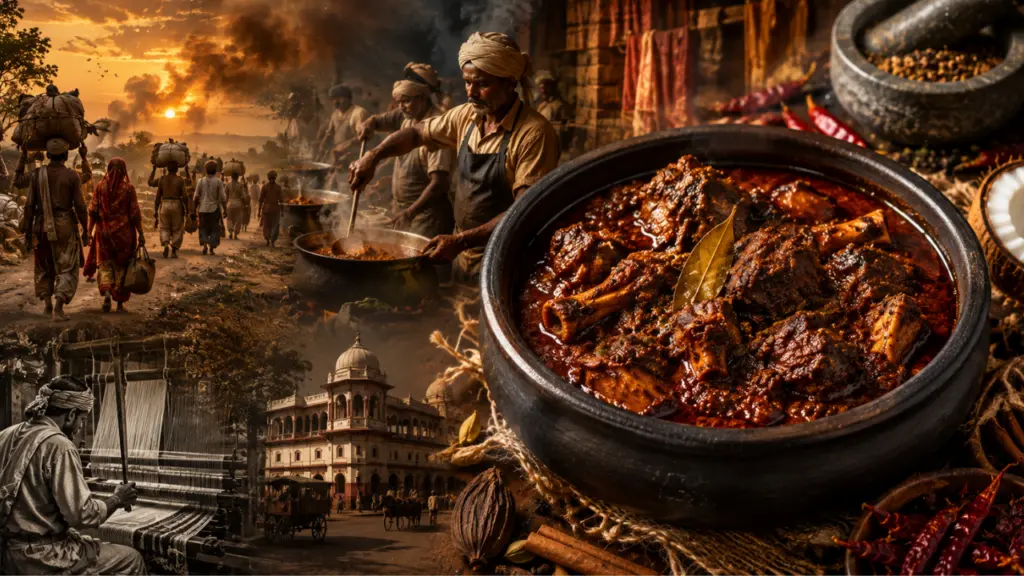
The dish is defined by its intense cooking process: whole spices are dry-roasted, dry coconut adds richness, and the mutton is slow-cooked with bhunao until spices coat every piece. Today, Saoji mutton has become synonymous with Nagpur's food culture, far beyond the original bhojanalayas.
Indian Opinion Analysis
Nagpur's Saoji mutton is not just a recipe but a survival story of artisan weavers who lost their mills in the 19th century and turned to food entrepreneurship. Similar migrations across India, like the Sindhi community after Partition, have produced distinct cuisines from economic displacement. The dish's dark, spice-laden gravy relies on a unique masala blend including stone flower and poppy seeds, a technique that preserves meat without refrigeration. What makes this tradition endure is its adherence to slow methods, no processed substitutes replicate the flavour. For a city that sits at India's geographic centre, this curry has become a culinary landmark, with bhojanalayas still serving it with bhakri or rice.
Source: timesnownews.com
This story was synthesised by AI from the source linked above. Methodology and corrections.