







Now Reading: SC cuts judicial exam practice rule to 1 year, adds 2 years training
-
01
SC cuts judicial exam practice rule to 1 year, adds 2 years training


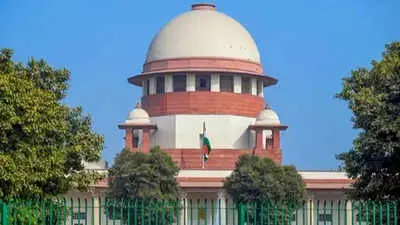
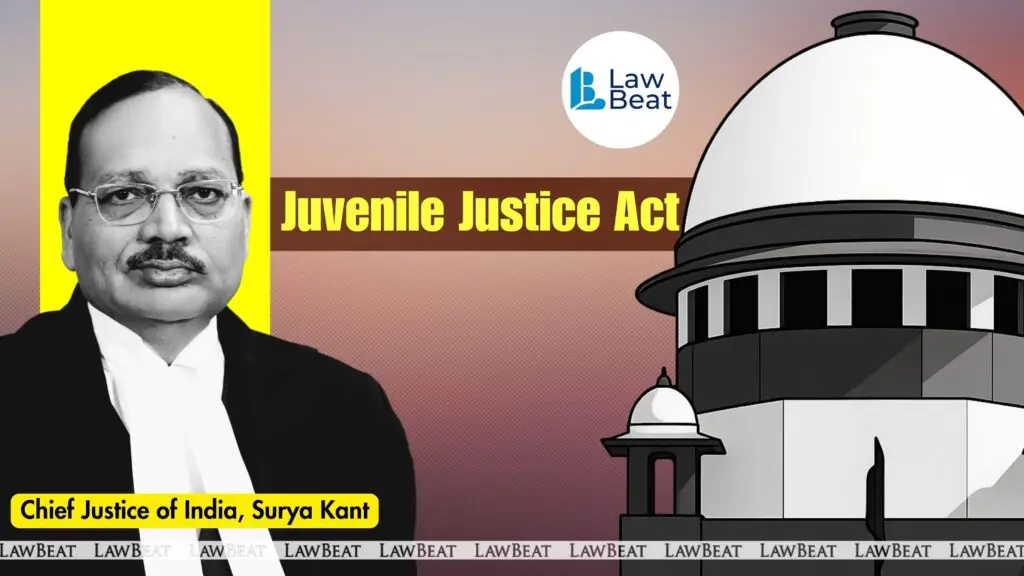
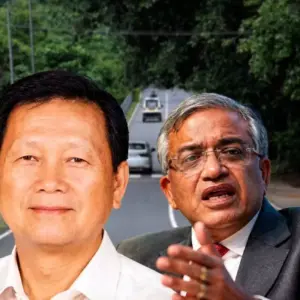
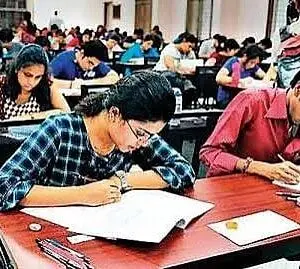
The Supreme Court has reduced the mandatory legal practice requirement for Civil Judge (Junior Division) recruitment from three years to one year, in a 2:1 verdict. The bench comprising Chief Justice Surya Kant, Justice Augustine George Masih and Justice K Vinod Chandran, who dissented, also introduced a two-year training and clerkship period after selection before candidates can preside over courts.
Times of India reports that selected candidates will be designated 'Trainee Judicial Officers' and undergo one year of intensive training at the State Judicial Academy on a fixed emolument of half a magistrate's salary, followed by one year of structured law clerkship. India Today notes a transitional exemption until March 2027 allowing fresh law graduates to apply without prior practice. After April 1, 2027, candidates will need one year of actual legal practice to appear for the exam.
Indian Opinion Analysis
Both sources report the same core facts neutrally, but Times of India frames the ruling as a compromise spanning three decades of debate, emphasizing the dissenting opinion and concerns from high courts about fresh graduates' courtroom behavior. India Today focuses on the practical transitional relief for candidates and the structured training path. Neither outlet adopts a government-critical or ideological stance. The measured takeaway is that the Court has shifted practical exposure from pre-exam to post-selection, creating a dual pipeline that prioritizes training over initial courtroom readiness. Watch how state judicial academies implement the new training curriculum by March 2027.
Coverage: 2 sources, 2 neutral
Sources (2): timesofindia.indiatimes.com (neutral report), indiatoday.in (neutral report)
This story was synthesised by AI from the 2 sources linked above. Methodology and corrections.
Updated: this story now draws on 2 sources.