










Now Reading: Supreme Court replaces 3-year practice rule with 1-year paid training
-
01
Supreme Court replaces 3-year practice rule with 1-year paid training


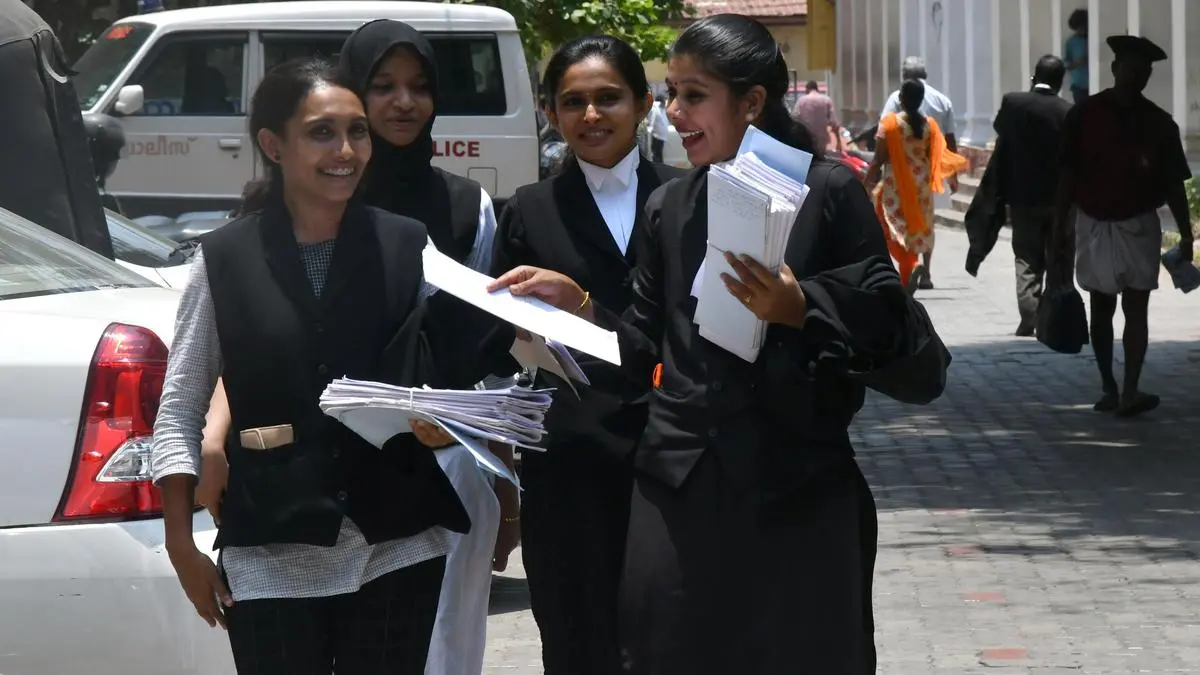
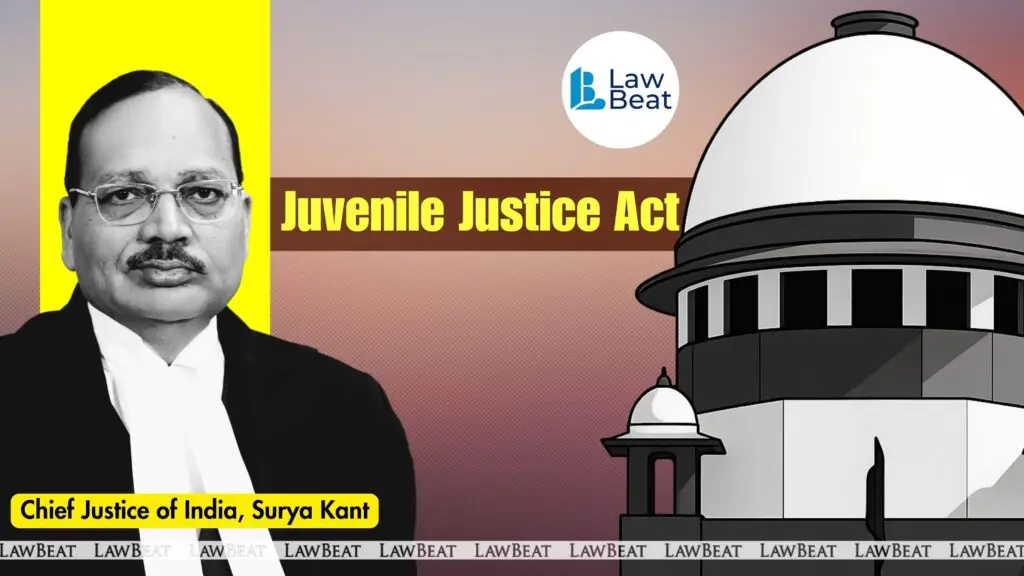
The Supreme Court has overhauled the mandatory three-year practice requirement for judicial officer recruitment. A 2:1 bench led by Chief Justice Surya Kant ruled on Wednesday that for notifications issued up to March 31, 2027, all applicants will be deemed to have completed one year of practice. For later notifications, one year of actual practice will suffice.
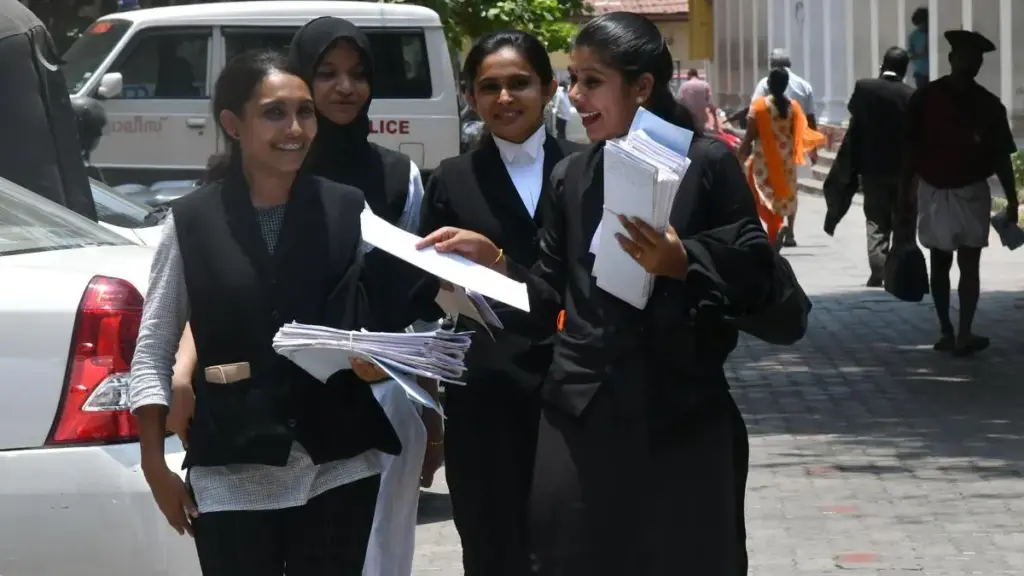
Successful candidates will then serve one year as a Trainee Judicial Officer at a state judicial academy and another year as a Law Clerk, splitting time between a district judge and a High Court judge. Both years count toward the original three-year requirement, shifting the burden from the aspirant to the institution.
The court adopted the architecture proposed by Chanakya National Law University. The ruling addresses findings that the three-year rule had collapsed women's representation in civil judge posts from 36.45 per cent to 11.75 per cent, and excluded first-generation lawyers unable to afford a three-year unpaid waiting period.
Indian Opinion Analysis
The judgment resolves a structural fault that has long distorted judicial recruitment. Until 2025, eligibility criteria varied by state, with most requiring no minimum practice for entry-level civil judge posts. The three-year rule imposed by former CJI Gavai in 2025 was intended to ensure candidates were familiar with court functioning but in practice blocked first-generation lawyers and women from entering the trial judiciary. The Supreme Court's own data shows that only about 10 per cent of High Court judges come from the subordinate judiciary, and those who do typically reach the High Court bench seven years later than direct appointees from the Bar. By changing the character of the waiting period from unpaid private practice to paid institutional training, the court has shifted who bears the cost of entry.
Source: frontline.thehindu.com
This brief was synthesised by AI from the source linked above. Methodology and corrections.