













Now Reading: Supreme Court seeks Centre’s reply on Vande Mataram penal provision
-
01
Supreme Court seeks Centre’s reply on Vande Mataram penal provision


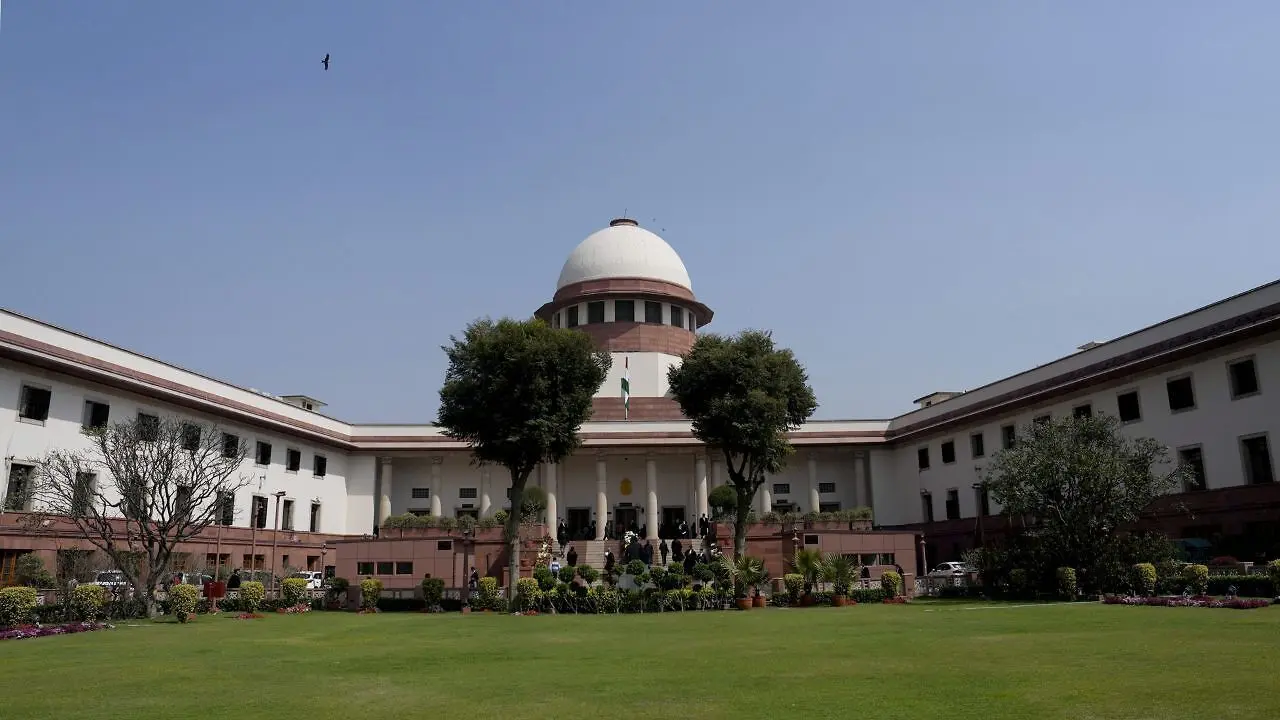
The Supreme Court on Tuesday heard Carnatic vocalist TM Krishna's petition challenging the Centre's mandate requiring all six stanzas of Vande Mataram to be sung at designated occasions. The court sought the…
The Supreme Court on Tuesday heard Carnatic vocalist TM Krishna's petition challenging the Centre's mandate requiring all six stanzas of Vande Mataram to be sung at designated occasions. The court sought the Centre's response within two weeks and indicated the key question is whether failure to sing the National Song can attract penal consequences under the Prevention of Insults to National Honour (Amendment) Act, 2026.
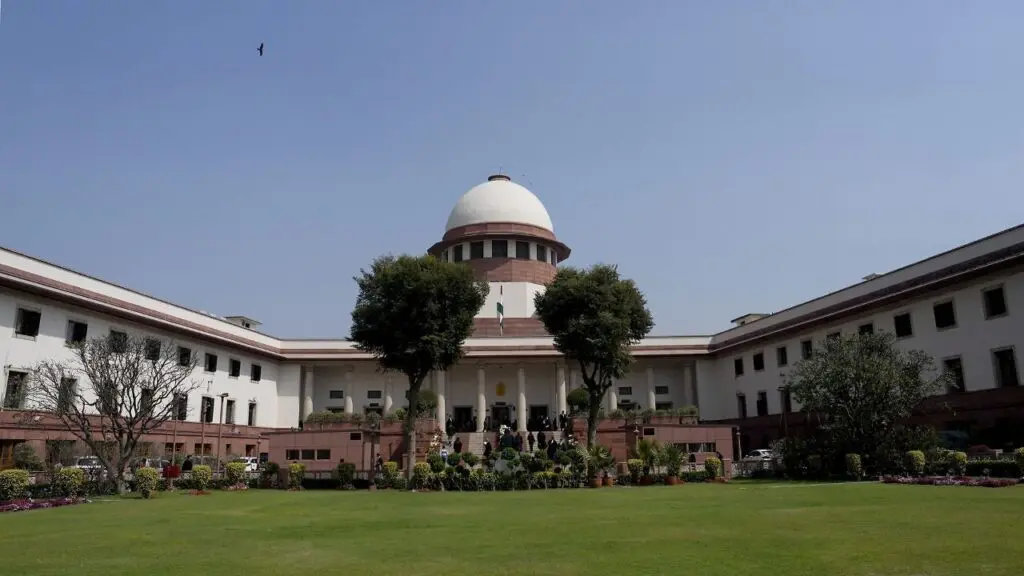
Senior advocate S Muralidhar, appearing for Krishna, argued that the last four stanzas invoke Hindu deities and compelling their rendition violates secularism and freedom of religion. Solicitor General Tushar Mehta countered that legislative decisions must be made constitutionally, not by those who do not believe in the Constitution.
The court observed that the 1986 Bijoe Emmanuel precedent, protecting those who respectfully stand but do not sing the National Anthem for religious reasons, would continue to govern. The Karnataka High Court has meanwhile deferred its own proceeding on the same issue, also hearing the matter on Tuesday, to await the Supreme Court's ruling.
Indian Opinion Analysis
Times Now led with the dramatic courtroom clash over the label 'Naxalites', framing it as a test of decorum rather than the statute's substance, an editorial choice that foregrounds spectacle over the secularism question at the petition's core. Rediff and India TV prioritised the constitutional challenge to penal consequences and the Centre’s two-week deadline, neutral reportage that serves a policy-focused reader. LiveLaw's coverage of the Karnataka High Court adds critical context: one state government argues the National Song itself is not mandatory, flatly contradicting the Centre's own memorandum that it seeks to enforce. That disjuncture, states resisting the official version while the Centre defends it, is the under-noticed tension the Supreme Court now inherits. The Constitution Bench will hear replies by late September or early October, when the Centre must reconcile its penal mandate with its own state government's contrary legal stance.
Coverage: 4 sources, 3 neutral, 1 sensationalist
Sources (4): timesnownews.com (sensationalist), rediff.com (neutral report), livelaw.in (neutral report), indiatvnews.com (neutral report)
This brief was synthesised by AI from the 4 sources linked above, so one read covers every framing they carry.
Updated: this story now draws on 4 sources.