












Now Reading: SC to test Delhi Police facial recognition on Jantar Mantar protesters
-
01
SC to test Delhi Police facial recognition on Jantar Mantar protesters


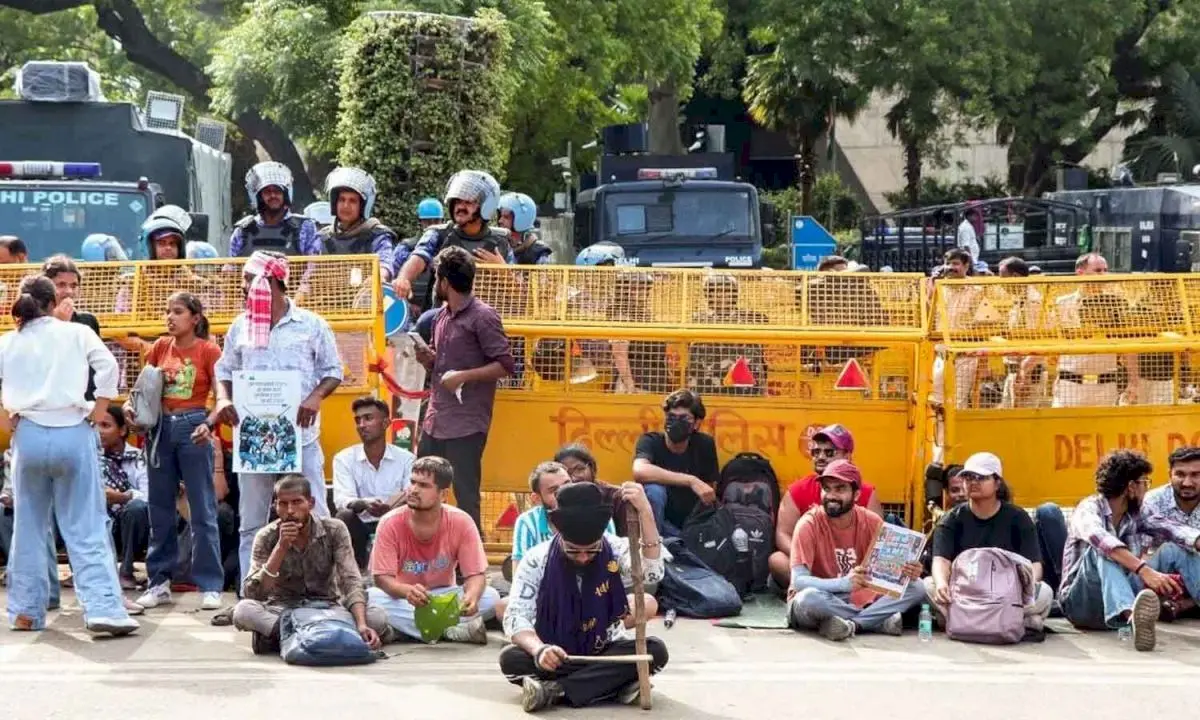
The Supreme Court on Thursday agreed to hear a plea challenging the Delhi Police's use of facial recognition technology and biometric surveillance against protesters at Jantar Mantar. CPI(M) Rajya Sabha MP A.A.…
The Story in Brief
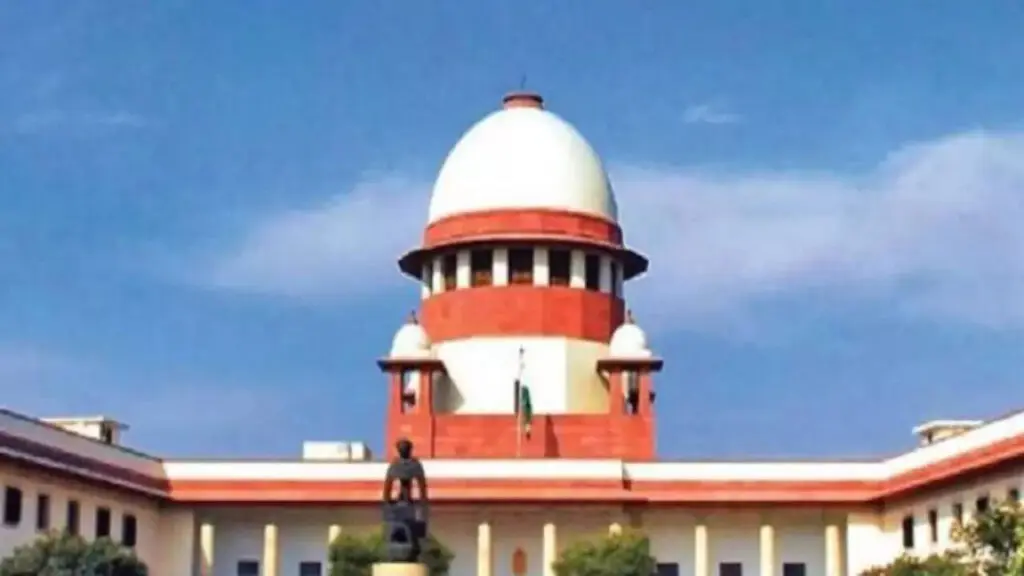
The Supreme Court on Thursday agreed to hear a plea challenging the Delhi Police's use of facial recognition technology and biometric surveillance against protesters at Jantar Mantar. CPI(M) Rajya Sabha MP A.A. Rahim, represented by senior advocate Menaka Guruswamy, argued that the surveillance was carried out without legal authorisation and violated privacy, free speech, and assembly rights. The bench tagged the petition with other pending cases on the July 20 'Chalo Sansad' protest.
Separately, the investigation into the July 20 clashes has revealed that some protesters may have used AI tools to learn countermeasures against police crowd control, including the use of wet jute bags to minimise tear gas effects, police sources told PTI. The sources have not disclosed which AI platforms were accessed or whether any devices have been forensically examined. The court has listed the matter for further hearing on August 18.
The Indian Opinion
The police claim that protesters used AI to study tear gas countermeasures sounds dramatic, but no digital evidence has been disclosed yet. Meanwhile, the Supreme Court will test whether Delhi Police's use of facial recognition, including smart glasses and a surveillance vehicle, has any legal basis. Both narratives risk being exaggerated: the police may be hyping a tech-savvy threat to justify heavy-handedness, while petitioners may downplay genuine security concerns. The real test will come on August 18 when the court examines the surveillance's proportionality and source of law.
Sources (4): thehansindia.com, hindustantimes.com, timesnownews.com, thehindu.com
This story was synthesised by AI from the 4 sources linked above.
Updated: this story now draws on 4 sources.