










Now Reading: SC to examine facial recognition use at Delhi protest
-
01
SC to examine facial recognition use at Delhi protest


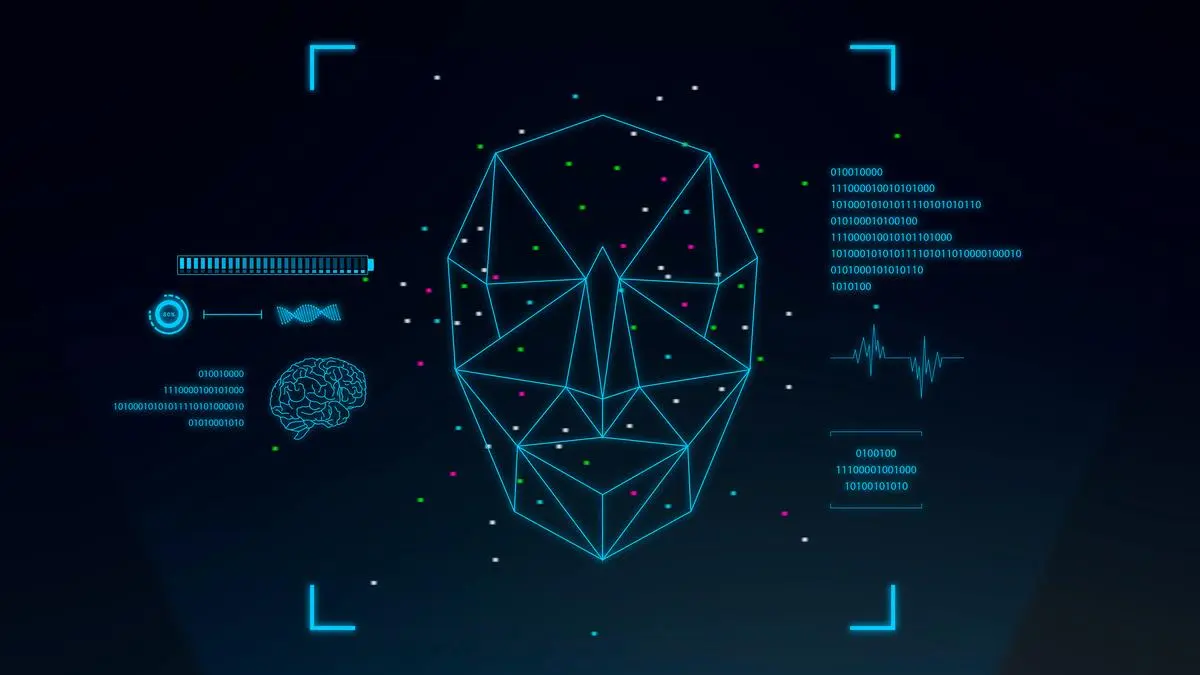
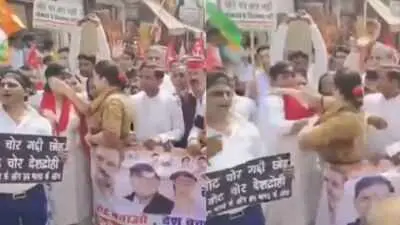
The Supreme Court will examine whether Delhi Police's use of facial recognition at the Cockroach Janta Party protests in July was proportionate. The police told the court in an August 18 affidavit that the system scanned only people with criminal records, not the entire crowd. Petitioners' lawyers disputed this, arguing the technology must detect every face before it can match any against a database.

Delhi Police said it identified 2,873 people with criminal records at Jantar Mantar between July 20 and 26, of whom 92 had more than 10 cases each. The system uses the National Crime Records Bureau database. Solicitor General Tushar Mehta said a misconception surrounds how the system operates, and no action follows a match without police verification. Senior Advocate Menaka Guruswamy told the court the collection and processing of all images raises constitutional concerns.
No statute governs facial recognition use. The Hindu reports that the Digital Personal Data Protection Act makes broad exemptions for state agencies but its data-processing obligations are not yet in force. The court has not set a next hearing date.
Indian Opinion Analysis
The Hindu's editorial frames the police FRS use as a rights violation without settled law, foregrounding the chilling effect on protest and the absence of a governing statute. MediaNama's report is a technical-legal account: it leads with the petitioners' objection that the system must capture every face before matching, and foregrounds unanswered questions about database sourcing and false-positive rates. The Hindu's news piece is a straight explainer, presenting the police affidavit, the NCRB database architecture, and the lack of legal framework in neutral sequence. The pro-government framing the police offered in court, that FRS scans only criminal records, is the premise all three sources test. The measured middle ground: whether the detection step is indiscriminate is a technical fact, not a spin issue. The Supreme Court will decide proportionality in a future hearing, and the key missing detail that will shape that decision is where the underlying photo database came from, Delhi Police has not disclosed it, and prior government databases (electoral rolls) have been used for facial recognition without statutory authorisation.
Coverage: 3 sources, 2 government-critical, 1 neutral
Sources (3): thehindu.com (neutral report), medianama.com (government critical), thehindu.com (2) (government critical)
This story was synthesised by AI from the 3 sources linked above. Methodology and corrections.
Updated: this story now draws on 3 sources.