







Now Reading: Scientists Engineer Plants to Produce Meat Protein Myoglobin
-
01
Scientists Engineer Plants to Produce Meat Protein Myoglobin


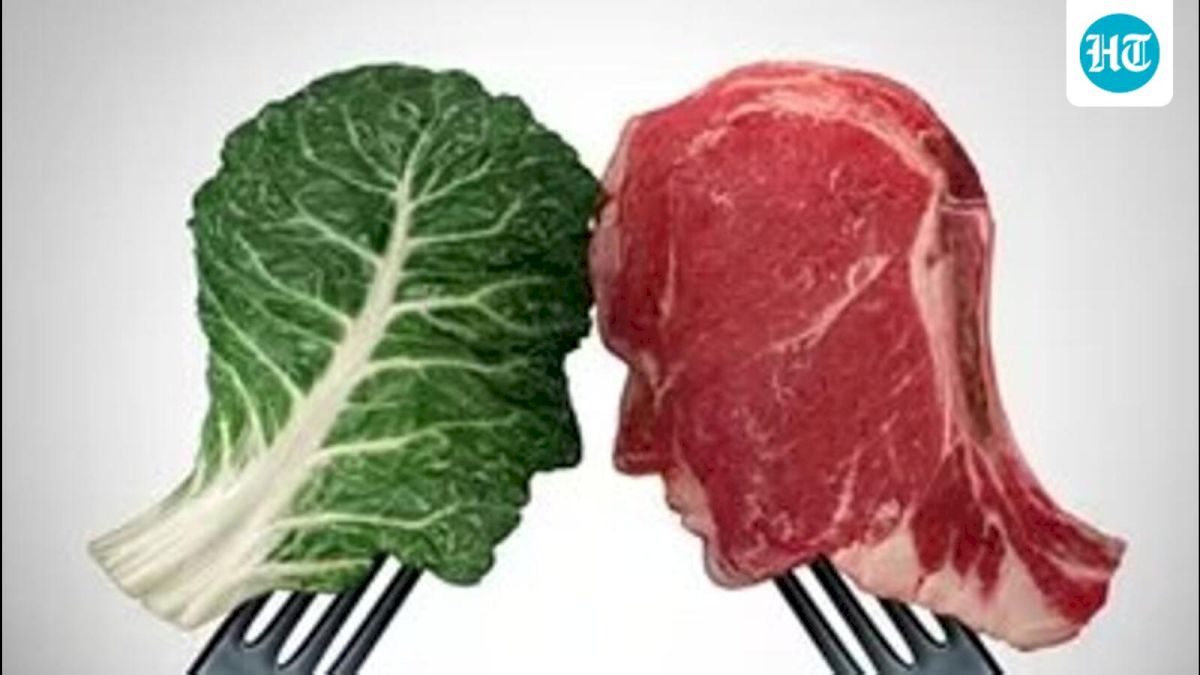
Scientists from Imperial College London and partner institutions engineered tobacco and lettuce plants to produce myoglobin, a muscle protein responsible for meat’s colour and flavour. Using a gene gun, they inserted pig…
The Story in Brief
Scientists from Imperial College London and partner institutions engineered tobacco and lettuce plants to produce myoglobin, a muscle protein responsible for meat’s colour and flavour. Using a gene gun, they inserted pig and cattle myoglobin genes into the plants’ chloroplasts. The plants passed the inserted genes to their offspring.
The study, published in Frontiers in Plant Science, recorded about 800 milligrams of myoglobin per kilogram of dry tobacco and 810 milligrams in lettuce. Researchers said plant production could use less water and create fewer greenhouse gas emissions than livestock farming. The protein would still need to be extracted and purified, and commercial use would require legislative approval.
The Indian Opinion
The research is an early laboratory demonstration, not yet a ready food product. Claims that it will quickly replace livestock or solve environmental pressures would be premature. Its possible benefits include lower resource use and improved flavour in plant-based foods, but costs, safety assessments, regulation and consumer acceptance remain uncertain. Indian readers may also await evidence from larger-scale production before judging its practical value.
Source: hindustantimes.com
This story was synthesised by AI from the source linked above.